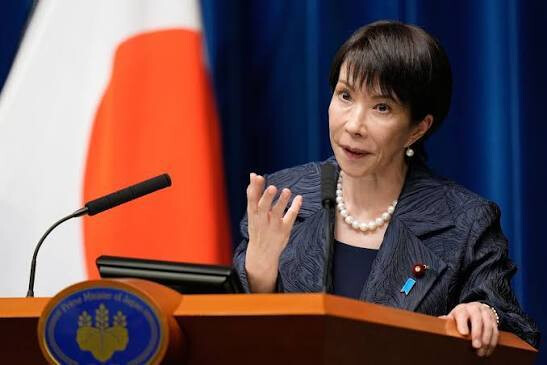
Japanese Prime Minister Sanae Takaichi’s heavy reliance on X (formerly Twitter) for political communication has ignited a debate over transparency and legal oversight. Because her updates are published through a personal profile rather than a state-run channel, the administration maintains they are exempt from national archiving laws—leaving critics concerned about historical accountability.
Since taking office in October of last year through mid-October of this year, Takaichi has shared 843 posts—averaging more than two per day, a frequency far exceeding her predecessors. While some messages touch upon her personal life or her role as leader of the Liberal Democratic Party, a significant portion details state affairs. These include breakdowns of legislative measures, summaries of diplomatic summits, and emergency communications during natural disasters.
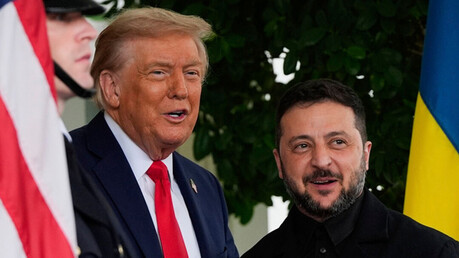
Among her most popular updates was a photograph alongside U.S. President Donald Trump during his Tokyo visit in October 2025, which garnered over 55,000 reposts. She has also utilized the platform to outline inflation-relief policies and engage directly in digital diplomacy with international leaders.
Despite the policy-heavy nature of her feed, Chief Cabinet Secretary Minoru Kihara defended the government's stance, noting that because the account is registered as private, its contents do not constitute official public documents. When opposition lawmaker Noriko Ishigaki questioned whether Takaichi’s posts represent formal government stances, the administration formally replied that the account is not state-operated and therefore they could not comment on its official status.
Takaichi, meanwhile, defends her digital outreach, emphasizing its efficiency. She has pointed out that X allows her to distribute rapid updates concerning state initiatives while gauging public sentiment firsthand.
Under Japan's current Public Records and Archives Management Act, administrative records are strictly defined as materials produced or acquired by state employees during official duties for organizational use. While Cabinet public affairs accounts fall under this definition, personal accounts belonging to lawmakers do not.
This regulatory loophole stands in sharp contrast to other democratic nations. In the United States, for instance, the Presidential Records Act mandates that a president's digital statements regarding official business be permanently archived—even if posted from a personal handle—with complete tracking of edits and deletions for future public inspection.
Experts argue that Japan’s legal framework is failing to keep pace with modern political communication. Hajime Sebata, a professor of Japanese political history at Ryukoku University, described the omission as a major legal blind spot. He stresses that because a prime minister's online statements carry immense political weight, archiving them is vital for future generations to properly analyze contemporary governance.
As digital platforms increasingly shape political discourse in Japan, pressures are mounting on lawmakers to reevaluate how executive social media activity is monitored, preserved, and held accountable.
[Copyright (c) Global Economic Times. All Rights Reserved.]