• 2026.11.26 (Thu)
  • All articles
  • LOGIN
  • JOIN
Global Economic Times
한인동포뉴스(상단)
  • Synthesis
  • World
  • Business
  • Industry
  • ICT
  • Distribution Economy
  • Well+Being
    • Pet Life
    • Halal Horizon
  • Travel
  • Eco-News
  • Education
  • Korean Wave News
  • Opinion
  • Arts&Culture
  • Sports
  • People & Life
    • International Student Report
    • With Ambassador
  • Column
    • Cho Kijo Column
    • Cherry Garden Story
    • Ko Yong-chul Column
    • Kim Bong-seon's Photo Column
    • Kim Seul-Ong Column
    • Lee Yeon-sil Column
    • Professor Lee Soo-young’s Life Essays
  • Photo News
  • New Book Guide
MENU
 
Home > World

Washington Targets Korean Chip Dominance in Overcapacity Report, Raising Pressure for U.S. Memory Fabs

KO YONG-CHUL Reporter / Updated : 2026-11-26 19:26:15
  • -
  • +
  • Print


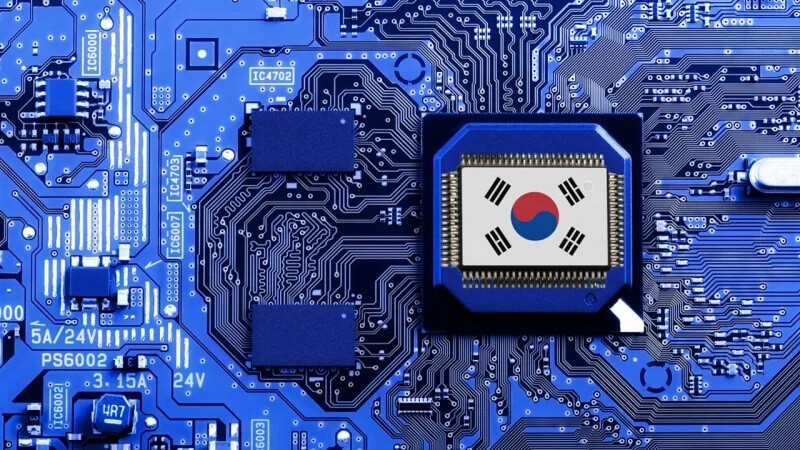
WASHINGTON — A sweeping new trade report from the Office of the United States Trade Representative (USTR) has put South Korea’s flagship semiconductor, automotive, and petrochemical industries on notice, signaling that Washington may use trade leverage to force advanced memory chip manufacturing onto American soil.

Despite initial expectations among Washington diplomats that the USTR’s lean 220-person staff would produce a routine Section 301 review, the 194-page report released on the 25th delivered a sharp critique of Seoul’s industrial policies. While semiconductors were temporarily shielded from immediate overcapacity tariffs as a "separately managed item," trade analysts view the report as a calculated warning shot aimed at Samsung Electronics and SK Hynix.

Concentration Risks and Market Warnings

At the heart of the USTR’s argument is the extreme geographic concentration of global memory supply. According to the report, Samsung and SK Hynix together control 73% of the global DRAM market and 51% of the NAND flash sector. Washington contends that aggressive state-backed capacity expansion in South Korea—paired with subsidized Chinese rivals like CXMT and YMTC—threatens to flood the market and undermine U.S. economic security.

Citing industry projections that memory prices will peak next year before triggering a steep downturn—including a potential 45% revenue drop for SK Hynix by 2028—the USTR warned that continued expansion in domestic hubs like Korea's Honam cluster leaves global supply chains dangerously exposed to regional shocks.

Leverage Over U.S. Expansion and Tax Credits

With limited direct tools to compel Korean memory investments in the U.S., industry insiders believe Washington will tie tariff exemptions and existing subsidies to new "front-end" fab commitments. Rather than immediately levying a 25% tariff, the U.S. could threaten to scale back the 35% tax credits tied to ongoing projects, or tighten equipment export controls on Korean-owned facilities in China, such as those in Dalian.

Speculation is mounting over how these demands could reshape corporate roadmaps:

SK Hynix: Beyond its current back-end packaging facility in Indiana and ongoing talks for a $100 billion, two-fab NAND complex in New York, Washington could push the chipmaker to step into Intel’s financially stalled New Albany, Ohio site to produce DRAM.
Samsung Electronics: Currently focused on its second foundry plant in Taylor, Texas, Samsung may face mounting pressure to broaden its U.S. footprint to include front-end memory production.

Broader Industrial Friction and Strategic Pushback

The USTR’s scrutiny extends well beyond silicon. The report flagged South Korea’s petrochemical sector and criticized Hyundai Motor Group’s plan to add 450,000 units in annual production capacity over the next five years despite softening domestic demand. Seoul was also faulted for allegedly distorting market competition by failing to curb—or actively welcoming—Chinese imports and foreign direct investment.

Trade experts in Seoul argue that South Korea must treat these findings not merely as a defensive crisis, but as a broader negotiation package. Kim Tae-hwang, a professor of international trade at Myongji University, noted that Seoul should balance its strategic industrial concessions by pressing Washington for reciprocal breakthroughs in shipbuilding cooperation, nuclear-powered submarine development, and spent nuclear fuel reprocessing.

[Copyright (c) Global Economic Times. All Rights Reserved.]
  • #Cherry Garden
  • #HalalFood
  • #Halal
  • #Petlife
  • #Cats
  • #Dogs
  • #Halalhorizone
  • #Hormuz Impasse
  • #Joseon
  • #globaleconomicti
KO YONG-CHUL Reporter
Reporter Page

Popular articles

  • Culinary Mashups and Nostalgia with a Twist: South Korea’s F&B Giants Vie for Consumer Attention

  • Japanese Hotel Prices Surge Nearly 9% Amid Booming Korean Tourism

  • NVIDIA Expands Local AI Horizons with RTX Spark Laptops for Offline Creators

I like it
Share
  • Facebook
  • X
  • Kakaotalk
  • LINE
  • BAND
  • NAVER
  • https://globaleconomictimes.kr/article/1065608673579388 Copy URL copied.
Comments >

Comments 0

Weekly Hot Issue

  • Nvidia Executives Face Renewed Scrutiny Over Personal Ties to Hardware Partners
  • Malaysia Files $130M Legal Claims Against Google Over YouTube Content Moderation Failures
  • Coalition Momentum Builds in Israel as Eisenkot Eyes Dec. 6 Deadline and Divides Cabinet Posts
  • U.S. Compute Restrictions and Anti-Distillation Crackdowns Slow China’s AI Race
  • Nvidia CEO’s Reinstatement Sparks Fierce Cabinet Divide and Chip Export Fallout
  • Enjoy Hands-on Experiences and Performances at Munheon Seowon in Seocheon on Nov. 28

Most Viewed

1
Exercise Beats Diet in Extending Lifespan, Major Review Finds
2
South Korean Burger Chain Lotteria Expands Singapore Footprint with Halal Certification and New Teriyaki Lineup
3
AI Semiconductor Stocks Plummet: Philadelphia Index Drops 5.28% and Micron Plunges 7.59% Amid Executive Shakeup and Export Restrictions
4
"Stay Out, Get Paid, or Have Police Stay With You": Shenzhen Imposes Strict Security Ahead of APEC Summit
5
Taiwan Bans Short-Selling Below Previous Close Starting Nov. 23, Raises Margin Ratio to 150%
체리가든 스토리
nutri huevos
로타리
동포저널

Hot Issue

Elon Musk and SpaceX Pledge $18.35 Billion Stock Giveaway for U.S. Minors

U.S. Compute Restrictions and Anti-Distillation Crackdowns Slow China’s AI Race

Nvidia CEO’s Reinstatement Sparks Fierce Cabinet Divide and Chip Export Fallout

Fashion Runway Show 2026

Let’s recycle the old blankets in Jeju Island’s closet instead of incinerating them.

Global Economic Times
korocamia@naver.com
CEO : LEE YEON-SIL
Publisher & Editor : KO YONG-CHUL
Registration number : Seoul, A55681
Registration Date : 2024-10-24
Youth Protection Manager: KO YONG-CHUL
Singapore Headquarters
5A Woodlands Road #11-34 The Tennery. S'677728
Korean Branch
Phone : +82(0)10 4724 5264
#304, 6 Nonhyeon-ro 111-gil, Gangnam-gu, Seoul
Copyright © Global Economic Times All Rights Reserved
  • News K
  • 반달곰 프로젝트
  • 광고문의
Search
Category
  • All articles
  • Synthesis
  • World
  • Business
  • Industry
  • ICT
  • Distribution Economy
  • Well+Being 
    • 전체
    • Pet Life
    • Halal Horizon
  • Travel
  • Eco-News
  • Education
  • Korean Wave News
  • Opinion
  • Arts&Culture
  • Sports
  • People & Life 
    • 전체
    • International Student Report
    • With Ambassador
  • Column 
    • 전체
    • Cho Kijo Column
    • Cherry Garden Story
    • Ko Yong-chul Column
    • Kim Bong-seon's Photo Column
    • Kim Seul-Ong Column
    • Lee Yeon-sil Column
    • Professor Lee Soo-young’s Life Essays
  • Photo News
  • New Book Guide
  • Overseas Koreans
  • Multicultural News