As holiday travel ramps up, packing essentials like prescription drugs, supplements, and over-the-counter remedies requires more than just tossing them into a suitcase. According to pharmacy experts, improper storage during transit can degrade the chemical stability of medications, rendering them ineffective or even hazardous. To keep your prescriptions safe on the road, pharmacists highlight five common storage blunders travelers should avoid.
1. Mixing Pills in Plastic Bags
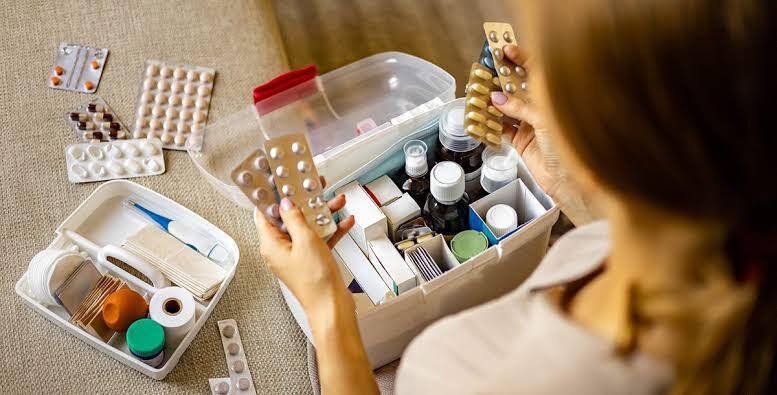
Consolidating different medications into a single zip-top bag saves space, but it increases the risk of crushing pills or taking the wrong dosage. Pharmacists recommend keeping medications in their original, labeled containers. Original packaging not only protects blister-sealed tablets from moisture until use, but it also helps verify your legal possession of prescriptions during airport security screenings. If you use a pill organizer, keep a photo of the original labels detailing the drug name, dosage, and expiration date.
2. Leaving Medications in Hotel Bathrooms
While the bathroom counter feels like a convenient spot for daily routines, the heat and humidity from showers can quickly break down active ingredients. Instead, store medications in a cool, dry place such as a bedroom drawer or your travel bag. For controlled substances—such as stimulants or anti-anxiety medications—using the hotel room safe is strongly advised to prevent theft or accidental access by children.
3. Packing Prescriptions in Checked Luggage
Even if you do not need your medication mid-flight, never place it in a checked bag. Airplane cargo holds are subject to extreme temperature fluctuations, and lost luggage could leave you without vital treatments. Always carry essential medicines in your carry-on. If you are concerned about airport security X-ray machines, experts note that standard screening radiation does not harm medications, though you can always request a manual inspection.
4. Exposing Drugs to Direct Sunlight
Ultraviolet rays and heat can rapidly alter a drug’s effectiveness. Avoid leaving pill bottles on hotel windowsills or exposed on beach towels. Keeping medications tucked inside a purse or backpack shields them from the sun during outdoor excursions. For extended time in hot weather, consider carrying a small insulated pouch.
5. Storing Medicine Inside a Hot Car
Parked vehicles can heat up to dangerous levels within minutes, making glove compartments, trunks, and areas near heater vents unsafe for storage. High heat can ruin emergency devices like epinephrine auto-injectors and rescue inhalers. Keep emergency medications on your person whenever possible. Furthermore, if you travel with temperature-sensitive injectables like insulin or GLP-1 drugs (which require storage between 2°C and 8°C), use an insulated cooler—but ensure the medication does not touch ice packs directly, as freezing ruins the formula.
When in Doubt, Consult a Pharmacist
Heat-damaged medication does not always show obvious physical changes, yet it can lose potency or release its active ingredients too rapidly into the body. Before taking any medication exposed to extreme conditions, inspect it for unusual odors, discoloration, or changes in texture, such as clumping or melting. If you suspect your medication has been compromised, consult a pharmacist before your next dose.
[Copyright (c) Global Economic Times. All Rights Reserved.]