![[등록] 2026-09-01 15:48:31](/support/_updata/banner2/tl181982910_6749.png)


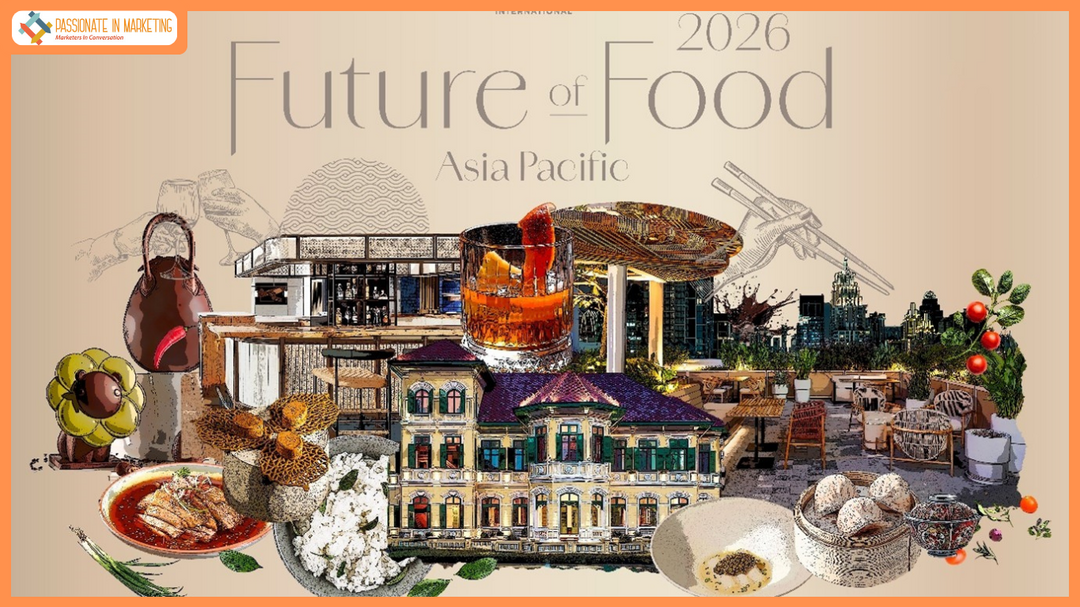
SEOUL, South Korea — A seismic shift is underway in the Asia Pacific dining scene, with traditional fine dining making way for a trend dubbed "casual luxury." This is the core finding of the "Future of F&B 2026" report released by Marriott International, which analyzed insights from F&B teams at 270 properties across 20 Asia Pacific markets, alongside industry experts.
The report highlights that the new definition of indulgence prioritizes comfort, sophistication, and a departure from overly strict formalities. This movement is crystallizing in the rise of "fine-casual" dining, where familiar comfort foods receive a gourmet elevation. Examples include creative takes on classics, such as fried chicken topped with caviar, where refinement meets approachability. Data supports this trend: 59% of surveyed Marriott properties in the region noted a growing guest preference for casual dining experiences over formal ones compared to the previous year.
Beyond the plate, dining is evolving into a comprehensive sensory journey. Guests are seeking experiences that blend storytelling, entertainment, and thoughtful design. Interactive formats, such as omakase experiences, "dark dining" (where guests eat in complete darkness to heighten other senses), and 'edible art', are gaining traction. Nearly half (48%) of F&B associates reported an uptick in guests seeking these immersive and theatrical dining experiences, demonstrating a desire for emotional connection alongside culinary excellence.
The report also underscores a renewed reverence for local flavors and ingredients. Chefs are increasingly utilizing indigenous ingredients to infuse their dishes with cultural identity and a sense of place. This movement is also shining a spotlight on emerging culinary hotspots, with Indonesia, the Philippines, Vietnam, and Mainland China noted for their vibrant, diverse, and creatively rooted food cultures. A new wave of third-generation Asian chefs, many with training from Michelin-starred institutions, are leading this culinary renaissance, blending heritage techniques with contemporary flair.
Technology is playing an increasingly vital role in restaurant operations and customer engagement. A significant majority of hotels (76%) now employ advanced reservation management systems, and 75% acknowledge that social media directly influences customers' booking decisions for restaurants and bars. The visual appeal of food—the 'Instagrammable' factor—is therefore more critical than ever, especially in markets like South Korea.
South Korea: A Focus on Health and Celebrity Chefs
The South Korean market presents several distinct trends. Local diners show a remarkably high interest in star chefs, with 46% of guests actively seeking out celebrity-chef concepts or collaboration restaurants—a figure substantially higher than the 31% Asia Pacific regional average. Furthermore, the visual presentation of a dish is paramount, with 92% of Korean diners reporting that the 'post-worthy' visual appeal of a menu item influences their selection.
Most notably, wellness has emerged as a central theme in Korean dining. The preference for healthier choices is particularly evident in beverage consumption: 62% of Korean customers favor low- or no-alcohol options, significantly outpacing the Asia Pacific average of 28%. Dietary restrictions are also strongly requested, with 77% of diners asking for vegetarian options and 69% requesting gluten-free dishes.
Petr Raba, Marriott International’s Vice President of Food & Beverage, Asia Pacific (excluding Greater China), summarized the findings: "The Future of F&B 2026 showcases how the Asia Pacific continues to shape the future of global dining. A new culinary language is emerging—one where quality meets comfort, luxury meets experience, and a meal is no longer just about eating, but about engaging all the senses. Food has become a powerful vehicle for storytelling, identity, and cultural connection." The report reinforces Marriott's commitment to delivering dining experiences that align with these cultural contexts and evolving guest desires.
[Copyright (c) Global Economic Times. All Rights Reserved.]