![[등록] 2026-09-01 15:48:31](/support/_updata/banner2/tl181982910_6749.png)


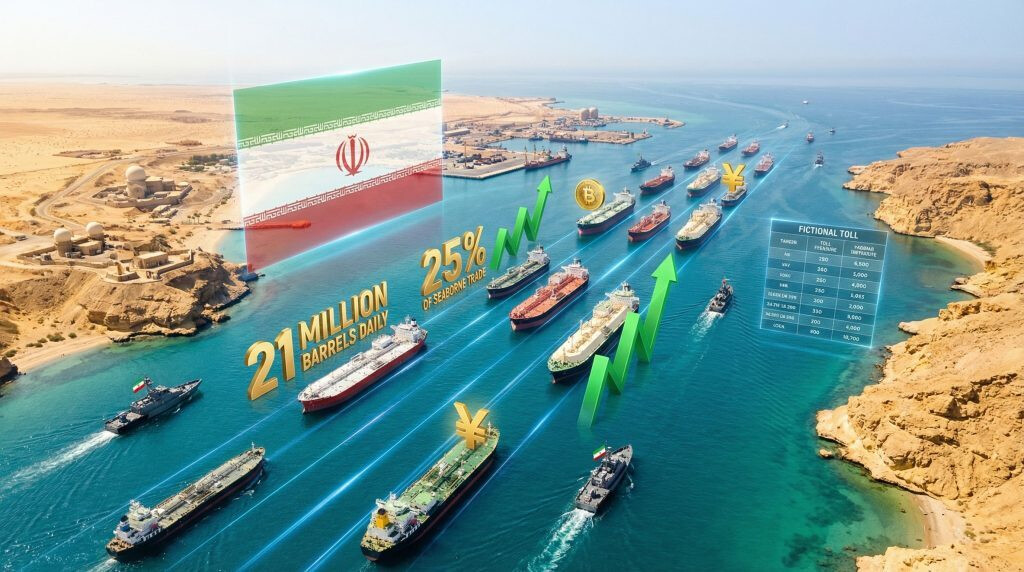
SIRIK, Iran — Tensions in the world’s most vital oil chokepoint reached a fever pitch on Sunday as a commercial bulk carrier was subjected to a coordinated surprise attack by unidentified small vessels in the Strait of Hormuz. The incident, occurring just days after Tehran’s provocative declaration of intent to levy "transit fees" on international shipping, has sparked fears that the geopolitical standoff in the Middle East is entering a dangerous new phase of maritime extortion.
The United Kingdom Maritime Trade Operations (UKMTO) issued a formal alert on May 3 (local time), stating that the vessel was intercepted approximately 11 nautical miles west of the Iranian port city of Sirik. The location is a critical navigation point where the narrow Strait of Hormuz opens into the Gulf of Oman, a route through which nearly a fifth of the world's oil consumption passes daily.
In its official statement, the UKMTO confirmed that while the ship was targeted by multiple small crafts, no casualties were reported. "All crew members are safe, and the vessel is proceeding to its next port of call. There have been no immediate reports of environmental damage or oil leaks," the agency noted. However, the UKMTO remained cautious, not explicitly naming the aggressors, though maritime security experts point their fingers squarely at Tehran.
The Shadow of the ‘Mosquito Fleet’
The tactics used in the ambush—involving high-speed, maneuverable small boats to harass and surround larger merchant vessels—bear the hallmarks of the Iranian Revolutionary Guard Corps Navy (IRGCN). Often referred to as the "Mosquito Fleet," these units specialize in asymmetric maritime warfare, utilizing speed and numbers to overwhelm traditional naval defenses.
The timing of the attack is particularly alarming. Last week, Iranian officials suggested that they might begin charging "transit fees" to vessels belonging to "hostile nations," specifically citing the United States and Israel as primary targets. While international law, under the United Nations Convention on the Law of the Sea (UNCLOS), guarantees "transit passage" through international straits, Iran has long contested these norms, arguing that the strait falls within its sovereign territorial waters.
Economic Fallout and Global Security
Energy markets reacted sharply to the news, with Brent crude futures ticking upward as traders assessed the risk of a prolonged disruption. If the Strait of Hormuz becomes a "toll zone" enforced by military might, the cost of global shipping and insurance premiums could skyrocket, fueling further global inflation.
"This is no longer just a diplomatic spat; it is a direct threat to the freedom of navigation," said a senior maritime analyst based in Dubai. "If Iran begins to use its 'Mosquito Fleet' to enforce illegal tolls, it forces the international community—led by the U.S. Fifth Fleet—to decide between military escorting of every tanker or succumbing to maritime piracy sanctioned by a state."
Regional Volatility
The incident in Sirik adds to a growing list of maritime confrontations in the region. With the ongoing conflict between Israel and regional proxies, the maritime domain has become a primary theater for "gray zone" warfare. Analysts warn that such "hit-and-run" tactics are designed to test the resolve of the international coalition without triggering a full-scale regional war.
As of Sunday evening, the Iranian government has not officially commented on the incident. However, state-aligned media outlets in Tehran have recently ramped up rhetoric regarding "maritime sovereignty," suggesting that the era of "free rides" through Iranian waters is coming to an end.
For now, the global shipping industry remains on high alert. The UKMTO has advised vessels transiting the area to exercise extreme caution and report any suspicious activity immediately. As the sun sets over the rugged coastline of Oman and Iran, the world watches the narrow waters of Hormuz, wondering if the next ship will be met with a request for a radio check—or a demand for payment.
[Copyright (c) Global Economic Times. All Rights Reserved.]