![[등록] 2026-09-01 15:48:31](/support/_updata/banner2/tl181982910_6749.png)


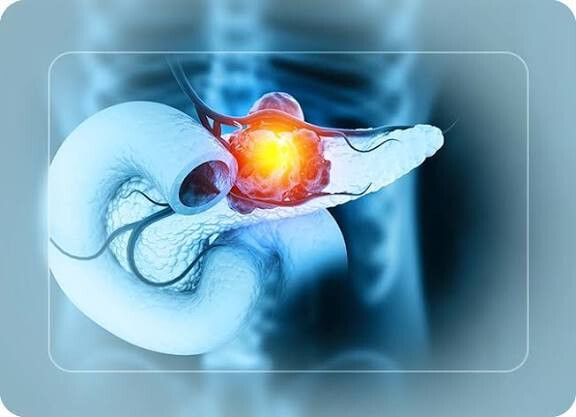
Pancreatic cancer is widely recognized as one of the hardest cancers to detect early due to a distinct lack of prominent symptoms in its initial stages. Many patients live normally without noticeable abnormalities until severe weight loss, abdominal pain, or jaundice forces them to visit a hospital—at which point the cancer has frequently advanced significantly.
Because the pancreas is located deep inside the body, standard examinations often fail to catch small tumors. Since discovering the disease at a resectable stage heavily influences treatment outcomes, individuals with risk factors or suspicious symptoms must undergo precise screenings.
Causes
Rather than stemming from a single trigger, pancreatic cancer is known to develop from a complex interplay of genetic and environmental factors. Some patients show hereditary links or a familial history, and the risk of occurrence increases with age. A primary risk factor is smoking; harmful substances in tobacco affect pancreatic cells and elevate the risk of cancer.
Chronic pancreatitis is likewise recognized as a condition that raises pancreatic cancer risks. Diabetes also shares a connection with pancreatic cancer. While diabetic patients face a higher risk of pancreatic cancer, the disease can conversely trigger the new onset or worsening of existing diabetes. Notably, if diabetes develops suddenly for no apparent reason in older adults or if blood sugar control sharply deteriorates, it is crucial to evaluate other symptoms and risk factors concurrently.
Symptoms
The representative symptoms include abdominal pain, jaundice, and weight loss. However, these signs often appear only after the cancer has progressed to a certain degree, making early detection through symptoms alone challenging. Abdominal pain can manifest as a persistent, dull ache starting around the epigastrium (pit of the stomach), sometimes radiating to the back or lower waist.
Unexplained loss of appetite or weight reduction is also common. If a tumor develops in the head of the pancreas and blocks the bile duct, jaundice can occur, turning the skin and the whites of the eyes yellow. Darker urine, lighter stools, and skin itching may accompany these signs.
Diagnosis
Because an effective screening test targeting the general public has not been established for pancreatic cancer, early diagnosis remains difficult. While abdominal ultrasound is relatively convenient, the pancreas's deep anatomical location or intestinal gas can obscure certain areas from thorough observation. When pancreatic cancer is suspected, abdominal CT or MRI scans are utilized to determine the tumor's location and size, invasion of surrounding blood vessels or organs, and presence of metastasis. When necessary, endoscopic ultrasound (EUS) allows for a closer examination of the pancreas and tissue sampling for diagnosis.
Blood tests for tumor markers such as CA19-9 are also applied during the medical evaluation process, though they alone cannot early-diagnose or definitively confirm pancreatic cancer. Comprehensive judgment integrating symptoms, risk factors, and imaging results remains essential.
(Source: Provided by Konyang University Hospital | Interview/Insights by Professor Ryu Ki-hyun, Division of Gastroenterology, Department of Internal Medicine, Konyang University Hospital)
Treatment
Treatment methods are determined based on the cancer's progression stage, resectability, and the patient's general physical condition. If the cancer is confined to the pancreas and removable via surgery, surgical resection is prioritized. Before and after surgery, chemotherapy may be implemented in parallel depending on the patient's condition and stage.
For locally advanced or metastatic pancreatic cancer where surgery is difficult, chemotherapy plays a vital role. Recently, various multi-drug combination regimens have been adopted, and select patients undergo testing for the genetic traits of their tumors to select optimal therapies. Radiation therapy may also be considered depending on the patient's state.
When the bile duct or duodenum becomes obstructed by the tumor, endoscopy can be used to insert a stent, securing the blocked pathway. Pain management and nutritional care are also critical therapeutic processes for reducing patient symptoms and maintaining quality of life.
Because pancreatic cancer can advance without specific symptoms, it is difficult for everyone to recognize it early through signs alone. It is vital to manage modifiable risk factors—such as quitting smoking—and, if falling into high-risk groups due to family history or genetic factors, consult a specialist to establish appropriate screening and follow-up observation protocols.
[Copyright (c) Global Economic Times. All Rights Reserved.]