![[등록] 2026-09-01 15:48:31](/support/_updata/banner2/tl181982910_6749.png)


Beyond traditional veterinary clinic boundaries, the career scope for animal health professionals is rapidly expanding into urban wildlife habitats, bio-research laboratories, and ecological restoration sites.
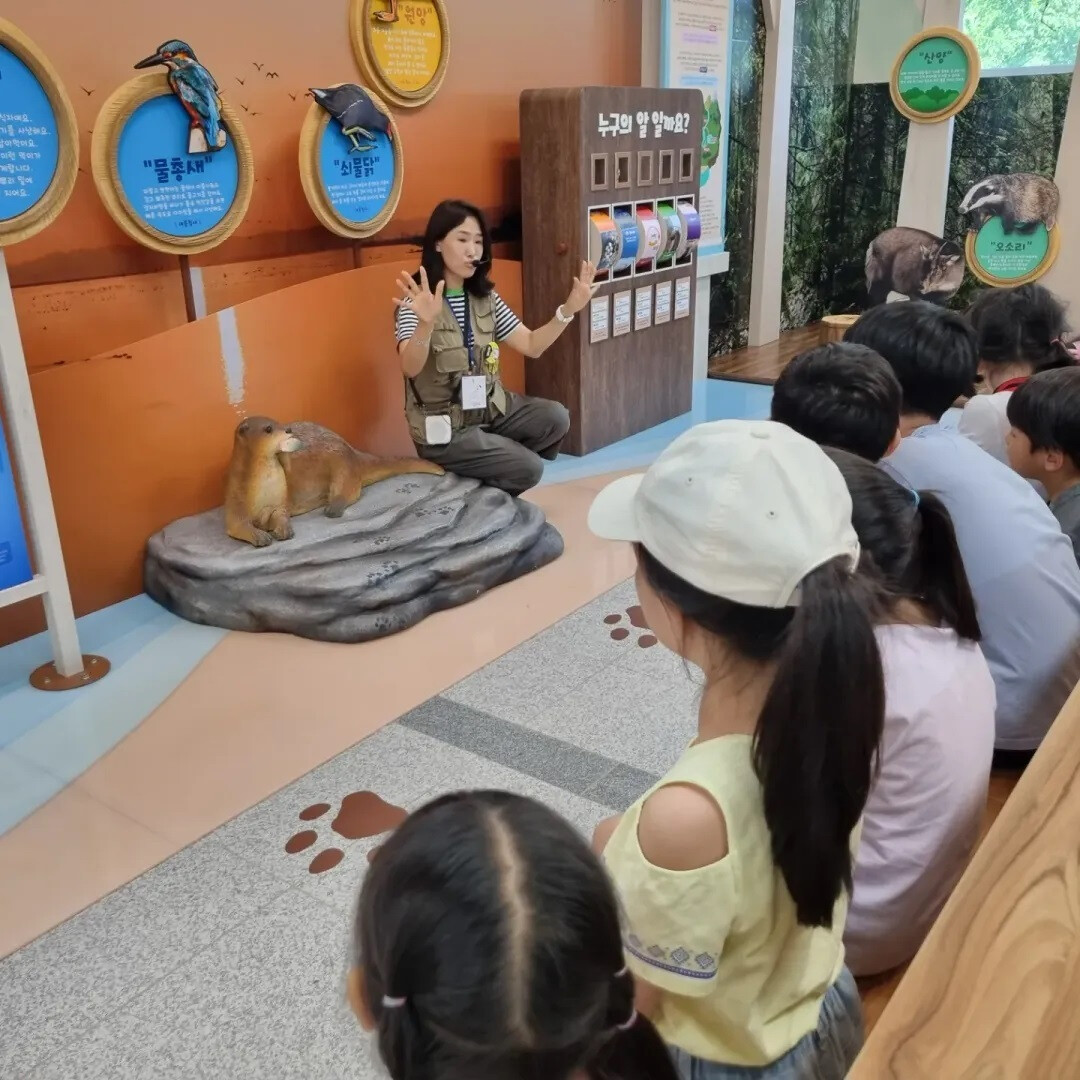
Seojeong University (President Yang Young-hee) announced on the 8th that 33 students from its Department of Animal Health visited the northern Gyeonggi Wildlife Rescue and Management Center. During the visit, students closely examined wildlife rescue and rehabilitation processes, combining biodiversity and public health fields into a practical, hands-on learning experience.
Going beyond a simple facility tour, this initiative marks a deliberate effort to integrate the "One Health" paradigm—the concept that human, animal, and environmental health are interconnected—into the core animal health curriculum.
From Rescue to Release: Experiencing Specialized Wildlife Care
The Northern Gyeonggi Wildlife Rescue and Management Center is a specialized institution dedicated to rescuing, treating, and preserving the wild instincts of injured wildlife suffering from roadkill, window collisions, or distress, ultimately returning them to nature.
Guided by professional veterinarians and rehabilitation specialists, the visiting students observed the animal intake and quarantine processes, wild-friendly emergency treatments tailored to specific species, and specialized muscle rehabilitation and flight training facilities designed for successful reintegration into the wild.
A center official emphasized the need for meticulous observational skills, noting, "Unlike companion animals, direct contact with humans can induce extreme stress and shock in wild animals, meaning restraint, healthcare, and hygiene management protocols must be completely different." The students realized firsthand how classroom theories in animal anatomy, physiology, and infectious disease control directly translate into higher survival rates for wild animals.
Accelerating Career Diversification through Certifications and Bio-Convergence
Amid growing interest in the treatment and career prospects of professionals following the introduction of the national veterinary health technician certification system in South Korea, Seojeong University’s Department of Animal Health has made expanding career horizons its core educational objective.
The university operates an organic system combining the national animal health technician certification track, the Korea Laboratory Animal Science Association-certified Laboratory Animal Technician (KLAT) qualification, and internship programs at bio/new drug research institutes and public wildlife centers. This strategy aims to diversify students' career paths into research and public ecological sectors, extending far beyond companion animal clinical settings.
A student who participated in the field trip shared, "I initially only thought about clinical veterinary hospital nursing, but seeing wildlife rescue and ecosystem restoration sites firsthand has dramatically broadened my professional perspective. I want to grow into a versatile health professional equipped to save lives across a wider spectrum."
President Yang Young-hee stated, "Animal health is a field where a strong sense of ethics respecting diverse living creatures must precede technical proficiency. We will expand industry-academic cooperation programs that allow students to step out of the classroom and feel the pulse of the field, fostering practical, convergence-oriented talents who will lead the future animal health industry."
[Copyright (c) Global Economic Times. All Rights Reserved.]