• 2026.10.08 (Thu)
  • All articles
  • LOGIN
  • JOIN
Global Economic Times
[등록] 2026-09-01 15:48:31
  • Synthesis
  • World
  • Business
  • Industry
  • ICT
  • Distribution Economy
  • Well+Being
  • Travel
  • Eco-News
  • Education
  • Korean Wave News
  • Opinion
  • Arts&Culture
  • Sports
  • People & Life
    • International Student Report
    • With Ambassador
  • Column
    • Cho Kijo Column
    • Cherry Garden Story
    • Ko Yong-chul Column
    • Kim Seul-Ong Column
    • Lee Yeon-sil Column
  • Photo News
  • New Book Guide
MENU
 
Home > World

Japan's Foreign Resident Population Hits Record High of 3.1%, Driven by Growth in Chinese and Vietnamese Nationals

Pedro Espinola Special Correspondent / Updated : 2026-10-08 16:20:51
  • -
  • +
  • Print


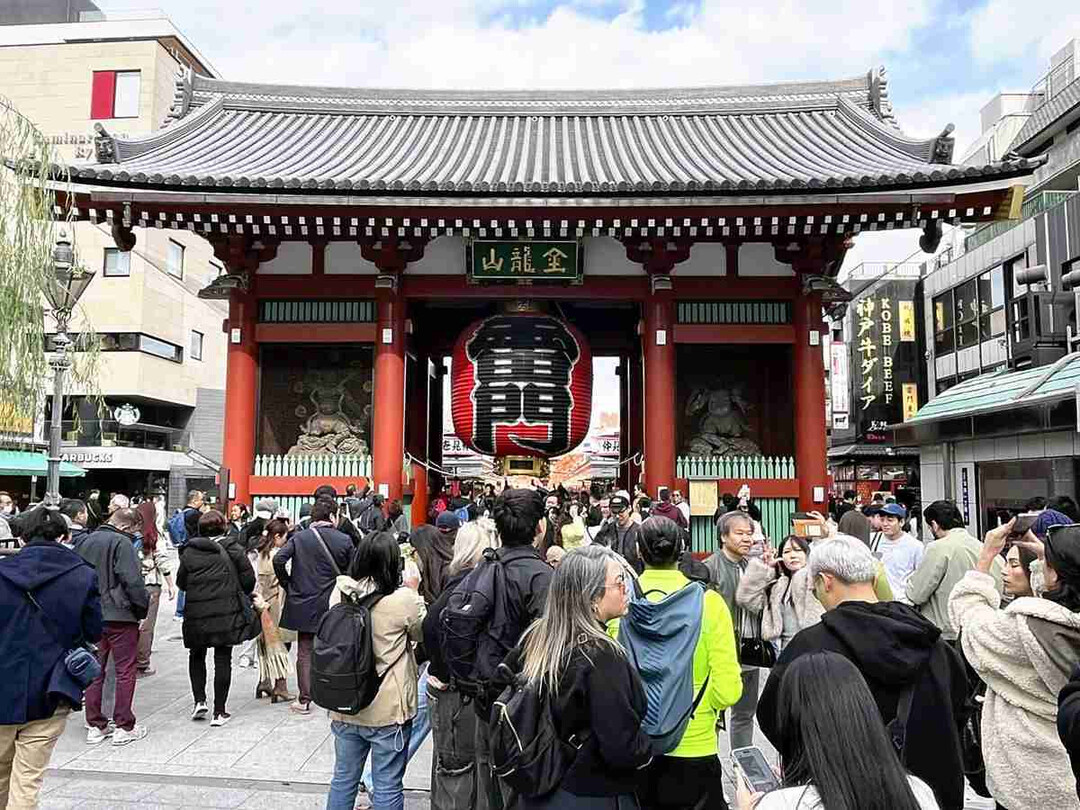
TOKYO — The number of foreign residents in Japan has reached an all-time high of 3.84 million, accounting for a record 3.1% of the country's total population.

According to an analysis of the 2025 Japan Population Census released by the Nikkei on the 8th, the foreign population surged by roughly 40% from the previous 2020 survey, which recorded 2.74 million residents. The proportion of foreign nationals relative to the total population climbed from 2.2% to 3.1%.

Key Demographics: Vietnam Rises to Second Place

By nationality, Chinese nationals remained the largest group, increasing by 18.0% from the previous survey to reach 923,013.

Meanwhile, Vietnamese nationals experienced a dramatic 59.0% surge, totaling 609,238 and surpassing Korean and Zainichi Korean residents to claim second place.

Vietnamese residents now account for 15.9% of all foreigners in Japan. This growth is primarily concentrated around the "Engineer/Specialist in Humanities/International Services" visa category for professional fields.

Conversely, Korean and Zainichi Korean residents—who previously held the number two spot—dropped to third place with 398,495, a decrease of 8.3%.

Aging Trends Among Traditional Zainichi Communities

The data also highlighted rapid aging within the traditional Korean community. The aging rate (the proportion of individuals aged 65 and older) among Korean and Zainichi Korean residents rose by 2.7 percentage points to 30.6%, surpassing Japan's national average of 29.4%.

Note on "Zainichi" Status: The term "Zainichi Korean" (Chōsen-seki) originates from the post-World War II Japanese administrative classification for ethnic Koreans remaining in Japan. Those who did not change their legal status to "South Korea" remain under the "Chōsen" designation, effectively leaving them in a stateless status. This group includes many individuals affiliated with the General Association of Korean Residents in Japan (Chongryon), which has pro-North Korean ties.

[Copyright (c) Global Economic Times. All Rights Reserved.]

  • #Hormuz Impasse
  • #globaleconomictimes
  • #micorea
  • #mykorea
  • #nammidonganews
  • #singaporenewsk
  • #Samsung
  • #Daewoo
  • #Hyos
Pedro Espinola Special Correspondent

Popular articles

  • China’s AI Industry Pivots from Model Development to Token-Driven Monetization via AI Agents

  • Saudi Arabia Faces a Dilemma Amid Houthi Offensives and Ineffective Regional Pacts

  • Tragedy Strikes the Caucasus: Avalanche on Mount Mizhirgi Leaves 11 Climbers Dead and Six Missing 

I like it
Share
  • Facebook
  • X
  • Kakaotalk
  • LINE
  • BAND
  • NAVER
  • https://globaleconomictimes.kr/article/1065597579169271 Copy URL copied.
Comments >

Comments 0

Weekly Hot Issue

  • Trump’s Mid-Tier Campaign Suit Draws Attention—and Online Controversy Over 'Made in China' Origin
  • Thailand Floods Death Toll Reaches 60 as Authorities Rush to Prepare for Major International Summit Amid More Heavy Rain Warnings
  • Korea and Egypt Revise Higher Education MOU to Strengthen AI Cooperation
  • Bangladesh, Ranked 8th in Population, to Launch Nationwide Family Planning Campaign in December
  • Microsoft Challenges Apple with New AI-Powered Laptop Launch
  • U.S. Initiates Direct Contact with Myanmar’s Military Junta, Signaling a Shift Away From Isolation Policy

Most Viewed

1
Guitarist Kim Ji-hee to Hold Storytelling Concert 'The Guitar is Happiness'
2
US Deploys Third Carrier and 10,000 Troops to Middle East Amid Rising Tensions with Iran
3
Gyeongsangbuk-do Promotes Excellence of Korean Traditional Crafts in Washington, D.C.
4
30% of Employees Replaced by AI Expected to Be Rehired by 2029, Predicts Gartner
5
Chungbuk Province Goes All-Out to Attract Young Visitors for the 2026 Osong Cosmetics Beauty Expo
체리가든 스토리
nutri huevos
로타리
동포저널

Hot Issue

AMD CEO Lisa Su Meets with Samsung and SK Hynix Chiefs, Sparking HBM Partnership Hopes

Henri Kagan and Kenso Soai Awarded the Nobel Prize in Chemistry

Government Unveils 1,000 Trillion Won "K-GX" Initiative to Drive Decarbonization and Green Tech

Samsung Special Performance Bonuses to Be Paid in March-April Next Year Amid Ongoing Compensation and Bargaining Divides

Fashion Runway Show 2026

Global Economic Times
korocamia@naver.com
CEO : LEE YEON-SIL
Publisher : KO YONG-CHUL
Registration number : Seoul, A55681
Registration Date : 2024-10-24
Youth Protection Manager: KO YONG-CHUL
Singapore Headquarters
5A Woodlands Road #11-34 The Tennery. S'677728
Korean Branch
Phone : +82(0)10 4724 5264
#304, 6 Nonhyeon-ro 111-gil, Gangnam-gu, Seoul
Copyright © Global Economic Times All Rights Reserved
  • 향기네무료급식
  • BCB부천방송
  • 반달곰 프로젝트
Search
Category
  • All articles
  • Synthesis
  • World
  • Business
  • Industry
  • ICT
  • Distribution Economy
  • Well+Being
  • Travel
  • Eco-News
  • Education
  • Korean Wave News
  • Opinion
  • Arts&Culture
  • Sports
  • People & Life 
    • 전체
    • International Student Report
    • With Ambassador
  • Column 
    • 전체
    • Cho Kijo Column
    • Cherry Garden Story
    • Ko Yong-chul Column
    • Kim Seul-Ong Column
    • Lee Yeon-sil Column
  • Photo News
  • New Book Guide
  • Overseas Koreans
  • Multicultural News