DAEJEON, South Korea — The newly appointed head of the Korea Institute of Energy Research (KIER) has announced an ambitious roadmap to transform the institute’s campus into a carbon-neutral zone by 2035, alongside a sweeping internal reform aimed at dismantling individualism in scientific research.
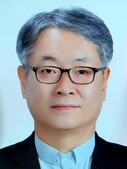
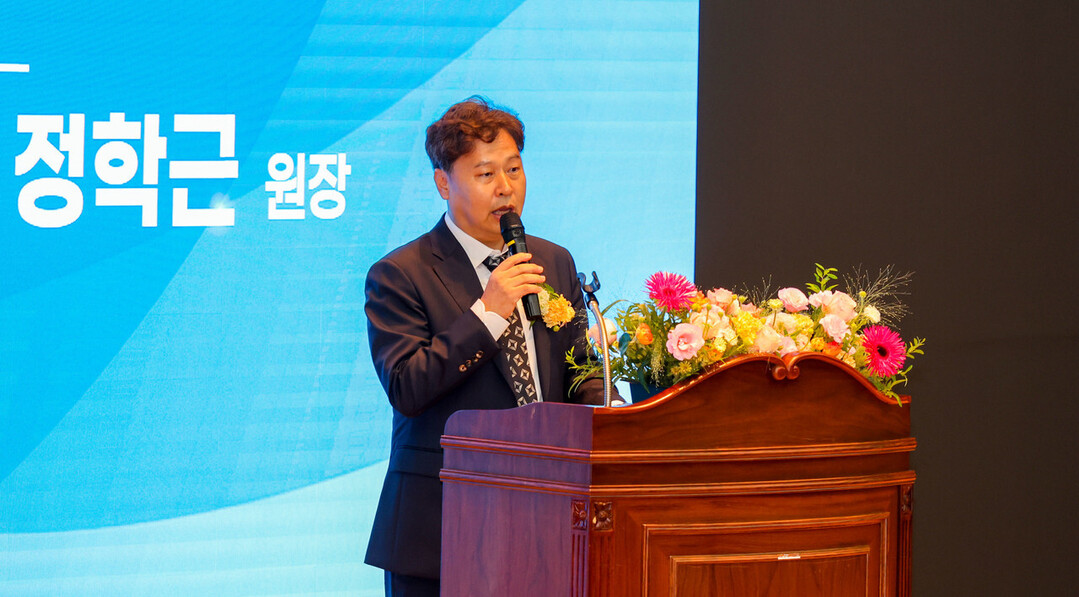
Speaking at a press briefing in Daejeon on the 23rd, KIER President Chung Hak-keun outlined his strategic vision two months after taking the helm on September 22. Born in 1973, Chung is the youngest leader among South Korea’s government-funded research institutes, though he brings 29 years of experience at KIER and a notable track record in energy efficiency—most famously spearheading the nationwide adoption of LED traffic lights ahead of the 2006 World Cup.
A Testbed for Green Tech
At the core of Chung’s environmental pledge is turning KIER itself into a living laboratory. The institute plans to deploy its proprietary technologies—including clean hydrogen, next-generation photovoltaics, and advanced building energy management systems—directly onto its campus. Furthermore, KIER will link these efforts with regional research hubs in Daejeon, Ulsan, and Jeju to build a comprehensive nationwide demonstration network.
Shifting from "Me" to "We"
To achieve these goals, Chung is targeting what he diagnoses as a fragmented organizational culture. Earlier this month, he executed a major shake-up involving 35 managerial posts to pivot the institute away from project-centric silos toward collaborative teamwork.
"You cannot preach inter-team collaboration while grading researchers solely as individuals," Chung remarked during the briefing. To fix this structural contradiction, KIER will introduce a "community evaluation system," wherein teams jointly establish their objectives and equally share credit for the outcomes.
Cautious Stance on Policy Shifts and 100-Day Priorities
Addressing broader national R&D policy reforms—such as the proposed alternatives to the Project-Based System (PBS) and the centralization of administrative tasks led by the Ministry of Science and ICT and the National Research Council of Science & Technology (NST)—Chung urged careful deliberation to avoid unintended side effects. Rather than creating specialized administrative units, he suggested allowing the NST to manage common tasks through streamlined procurement channels.
Under the overarching motto of building a "Great KIER Beyond Carbon Neutrality," Chung’s four pillars of innovation focus on trust-based governance, organizational agility, pioneering R&D, and accelerating the commercialization of new technologies. Within his first 100 days in office, he plans to launch a task force to overhaul the evaluation framework, establish a dedicated unit for AI Transformation (AX) across research and administration, and finalize the 2035 net-zero campus blueprint. During the session, Chung also offered technical perspectives on local infrastructure initiatives, including Daejeon City’s ongoing hydrogen tram project.
[Copyright (c) Global Economic Times. All Rights Reserved.]