![[등록] 2026-09-01 15:48:31](/support/_updata/banner2/tl181982910_6749.png)


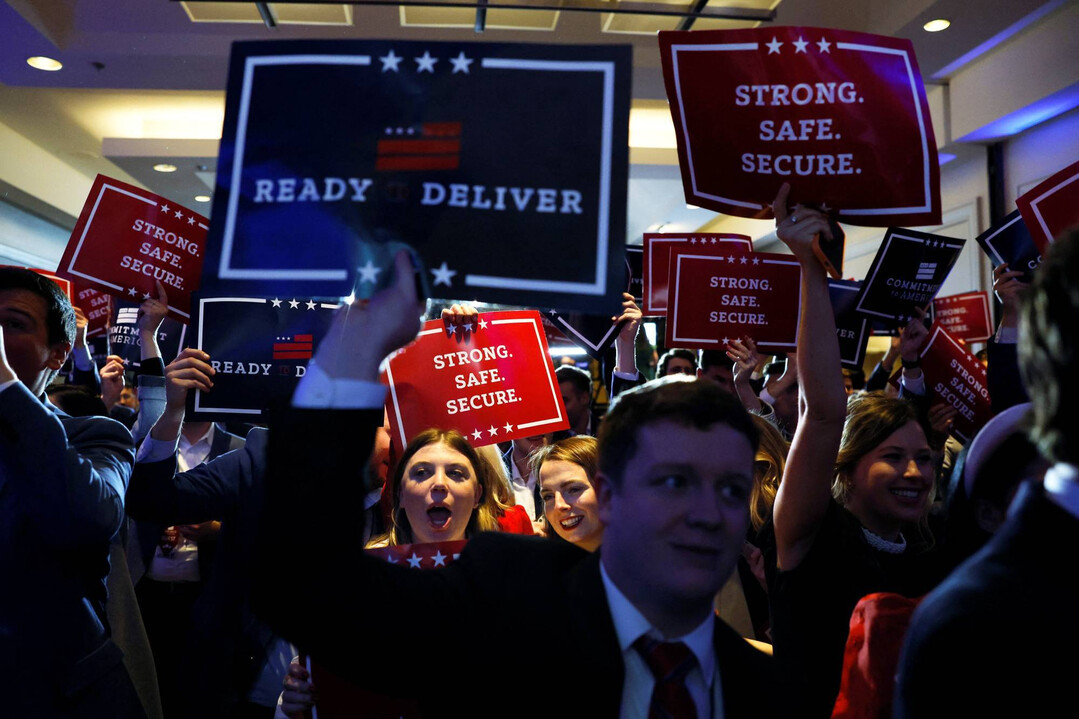
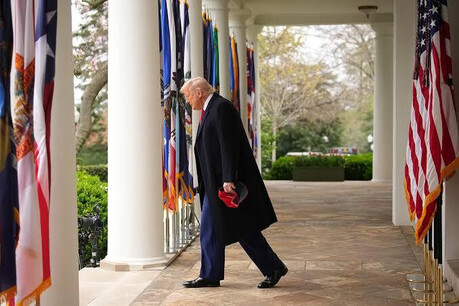
WASHINGTON — With the pivotal November midterm elections drawing closer, a growing number of Republican candidates locked in tight races against Democrats are visibly distancing themselves from Donald Trump.
Faced with sliding approval ratings for Trump dipping near the 30% mark and a waning brand power, many candidates have concluded that carving out an independent stance is a safer bet for survival at the ballot box.
According to a Reuters analysis published on the 7th (local time), roughly 41 out of 62 Republican candidates in battleground districts for the Senate and House are seeking to break away from Trump on policy or minimize their ties to him. An examination of their legislative votes, public remarks, and campaign materials reveals that nearly two-thirds of these swing-district contenders are attempting to put daylight between themselves and the former president.
Notably, 12 of these candidates have scrubbed Trump’s name, photos, and endorsements from their campaign websites after securing their party nominations—a sharp pivot after leaning heavily on his coattails during the primaries.
These findings echo an earlier Washington Post report from last month, which highlighted how Republican candidates were quietly purging Trump from their social media feeds. This distancing is also manifesting physically: low turnout among GOP lawmakers at last month's Republican National Convention—where attendance barely scraped 100 out of the 470 congressional races up for grabs—and muted responses to Trump’s multi-city campaign tour.
While Trump has vowed to visit all 35 battleground districts, local pushback has been immediate. In Maine, prominent swing-state Senator Susan Collins (R-ME) brushed off the prospect during a debate against her Democratic challenger, stating, "I don't expect President Trump to come to Maine"—coming just a day after Trump told reporters he "probably will go to Maine." Similarly, Texas Governor Greg Abbott cited a "scheduling conflict" to skip Trump’s rally in San Antonio.
Political analysts note that Trump's trademark MAGA-style rallies are seeing increasingly sparse crowds. Major media outlets like The New York Times and CNN point out that while rallying the base was once Trump's superpower, many GOP figures now view these events as a political liability rather than an asset. Trump, meanwhile, has taken to TruthSocial to dispute these claims, insisting that crowd sizes and enthusiasm remain "incredible" and that his rallies are "saving the Republican Party."
The reluctance of battleground candidates to lean on Trump stems from voter anxiety over critical issues like inflation, gas prices, and immigration. For instance, Mike Rogers, a Republican Senate candidate in the crucial swing state of Michigan, released a campaign ad directly urging Trump to end trade friction with Canada, warning it harms the local economy.
At the same time, some candidates are walking a fine line, wary of Trump's enduring influence among hardcore GOP primary voters and his history of political retaliation against detractors. Senator Pete Ricketts (R-NE) blasted Trump's beef import policies yet still appeared alongside him at a campaign stop. Representative Mariannette Miller-Meeks (R-IA), who previously voted for a resolution to halt military operations against Iran, stood smiling directly behind Trump at a White House event announcing a major local steel mill investment.
While no Republican candidate has yet issued a formal, outright declaration of political divorce from Trump, a sweeping defeat in November could trigger a severe intra-party lame-duck phase for the former president. As CNN noted, "If Trump loses his ability to bend the party and its figures to his will, he will be left with very little."
[Copyright (c) Global Economic Times. All Rights Reserved.]