![[등록] 2026-09-01 15:48:31](/support/_updata/banner2/tl181982910_6749.png)


(C) Securities.io
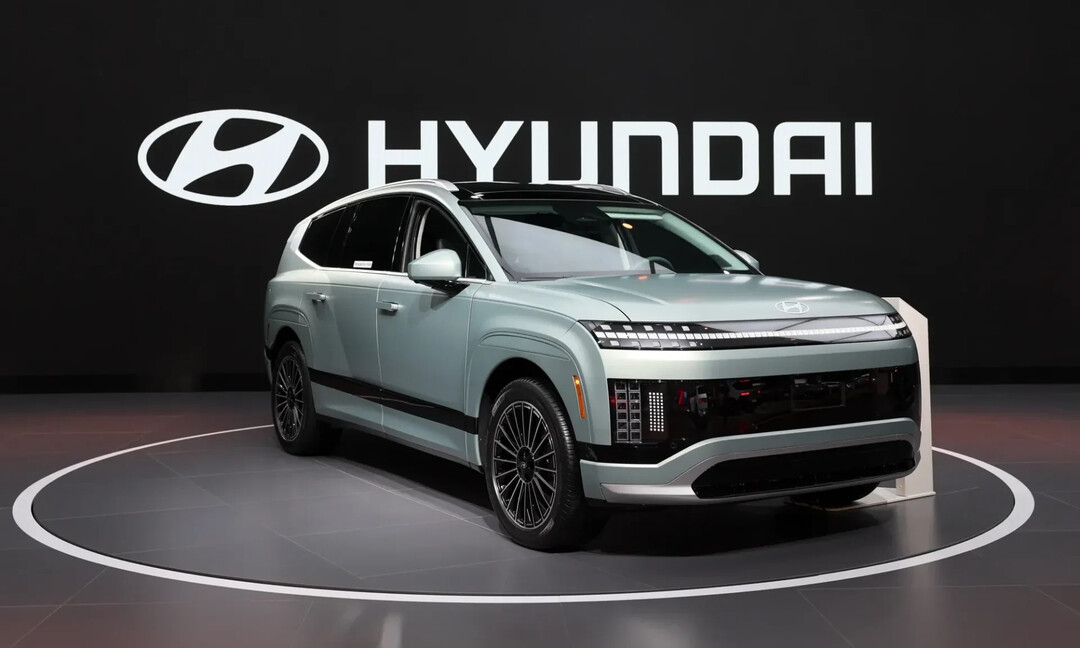
The appearance of a Hyundai electric vehicle (EV) equipped with solid-state batteries is imminent. Often called the "dream battery," solid-state batteries offer higher energy density and safety compared to conventional lithium-ion batteries. While no company globally has yet succeeded in commercializing solid-state batteries for EVs, Hyundai Motor is drawing attention by accelerating its efforts.
According to industry sources on the 4th, Hyundai Motor produced a significant volume of solid-state batteries at its pilot line established in Uiwang, Gyeonggi Province, late last year. These batteries are capable of being installed in actual EVs, and the company secured a substantial quantity by running the line at full capacity for several months during the second half of last year. Hyundai established the pilot line at its Next-Generation Battery Research Center within the Uiwang Research Institute and began operations in March last year.
The fact that these batteries were manufactured for actual vehicle installation, rather than for simple production or quality evaluation, is significant. This implies the creation of a car powered by solid-state batteries, moving a step closer to commercialization. An industry insider familiar with the matter stated, "I understand Hyundai intensively produced solid-state batteries for vehicle installation late last year. We may see an EV prototype as early as the beginning of the new year."
Solid-state batteries replace the liquid electrolyte of lithium-ion batteries with a solid one. This technology is spotlighted for drastically improving range and safety—two major weaknesses of EVs—due to its high energy density and low fire risk.
While the "K-Battery Trio," global manufacturers, and automakers are in a fierce development race, solid-state batteries have yet to be commercialized for EVs. In fact, many projects have been delayed due to technical difficulties.
Although Hyundai’s current batteries and vehicles are in the trial production stage, leading this field would allow them to preempt the market and technology. Notably, Hyundai has not manufactured batteries in the past, relying on suppliers like SK On. By developing next-gen solid-state technology, Hyundai is accelerating "technology internalization." If successful, the impact will be significant as Hyundai could develop and produce both batteries and EVs.
Hyundai recently reorganized its R&D and Advanced Vehicle Platform (AVP) divisions to overhaul its future vehicle strategy. With Tesla’s Full Self-Driving (FSD) system entering the domestic market, the sense of crisis in the Korean auto industry has grown. In this context, whether the solid-state EV can serve as a "reversal card" to emphasize technical leadership is being closely watched.
Regarding the development and installation of these batteries, a Hyundai official stated, "It is difficult to confirm matters currently under development."
[Copyright (c) Global Economic Times. All Rights Reserved.]