ANDONG, South Korea — More than a year after a catastrophic wildfire tore through five municipalities in North Gyeongsang Province, local authorities are pivoting from basic disaster recovery to an ambitious economic overhaul. By establishing South Korea’s first specialized forest management zones, the provincial government aims to transform fire-ravaged woodlands into lucrative, sustainable hubs for forestry, tourism, and community revitalization.
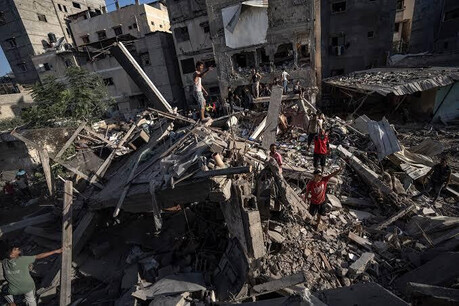
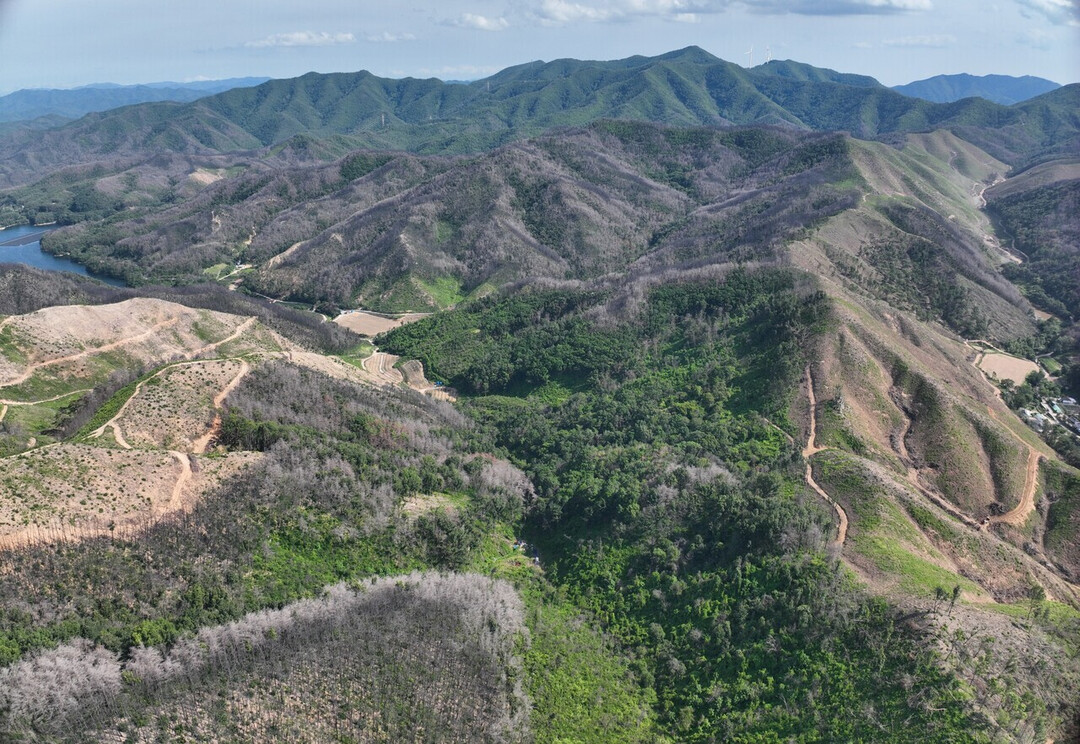
The March blaze, which began in Uiseong and spread to Andong, Cheongsong, Yeongyang, and Yeongdeok, destroyed vast swaths of forest and displaced hundreds of residents. Rather than simply replanting lost trees, North Gyeongsang has launched a comprehensive reconstruction strategy anchored by two core goals: reviving shrinking rural villages and turning forests from passive scenery into profit-generating assets.
To execute this vision, the province established a dedicated Wildfire Recovery and Re-creation Task Force in January following the enactment of a special disaster relief law. The task force integrates recovery efforts across five specialized teams, focusing on spatial redesign, landslide prevention, private investment attraction, and direct resident support.
Cultivating "Profitable Forests"
Central to the province's economic strategy is the designation of five Special Forest Management Zones—one in each affected municipality—covering large-scale tracts of over 300 hectares each. Under this model, landowners and forestry experts jointly manage the entire supply chain, from cultivation to processing and distribution.
Each zone is tailored to local ecological strengths:
Uiseong (425 ha): Honey-producing forests (acacia and evodia trees) alongside balloon flower and angelica shoot farms.
Andong (372 ha): High-value timber and medicinal trees, paired with omija (magnolia berry) cultivation.
Yeongdeok (356 ha): Multi-purpose forestry complexes centered on chestnut and prickly ash trees.
Cheongsong (350 ha): Scenic royal azalea and cherry blossom forests near Juwangsan Mountain, combined with deodeok root farming.
Yeongyang (343 ha): Birch landscapes, sap-producing painted maple forests, and wild mountain vegetable farms.
Alongside state-led forestry, the province is deregulating land use through "Forest Investment Leading Zones" in Cheongsong and Andong to attract private capital for eco-resorts, leisure complexes, and wellness tourism.
Industrializing Timber and Non-Timber Products
With forests covering over 70% of its territory (1.29 million hectares), North Gyeongsang is aggressively commercializing its forestry sector, which already leads the nation in producing 10 major forest products, including pine mushrooms, jujubes, and walnuts.
This year, the province increased its budget for forestry production infrastructure by 26% to 11 billion won ($8 million) and boosted processing and distribution funding by 42% to 7.7 billion won. Efforts are also underway to turn burned timber and forest thinning byproducts into industrial wood chips. Following the completion of a 10-billion-won timber resource center in Pohang, the province has secured 38 billion won in private investment to build a major forest resource collection hub in Andong by 2028. Next year, a 10.5-billion-won smart farm demonstration complex for wild greens will break ground in Yeongyang.
Rebuilding Communities and Upgrading Disaster Defense
Reconstruction extends beyond the woods into residential areas. The province is investing 90 billion won to build community recovery complexes and redesigning devastated villages into "compact future cities" that provide daily cultural and care services while doubling as fortified disaster shelters.
Financial relief is also accelerating. Under the special wildfire act, a Prime Minister-affiliated reconstruction committee has received over 46,700 claims totaling roughly 1.38 trillion won since January, with applications remaining open through next January.
Meanwhile, North Gyeongsang has overhauled its ecological restoration and disaster response systems. Rather than relying solely on artificial planting, 83.7% of the damaged land is slated for natural regeneration, with 16.1% designated for targeted afforestation. To prevent future tragedies, the province deployed AI-powered thermal imaging drones, 160 surveillance cameras, and a rapid-response protocol that dispatches five leased helicopters within a 50-kilometer radius at the first sign of smoke. These upgrades helped the region achieve zero casualties and reduce fire damage by 20% below the 10-year average during this spring’s dry season.
"The wildfire took away more than just trees and homes; it robbed residents of their ordinary daily lives," said North Gyeongsang Governor Lee Cheol-woo. "We will not stop at mere restoration. By turning vanishing villages into thriving communities and scenic mountains into sources of income, we will make these affected areas the starting point for North Gyeongsang's next 100 years."
[Copyright (c) Global Economic Times. All Rights Reserved.]