![[등록] 2026-09-01 15:48:31](/support/_updata/banner2/tl181982910_6749.png)


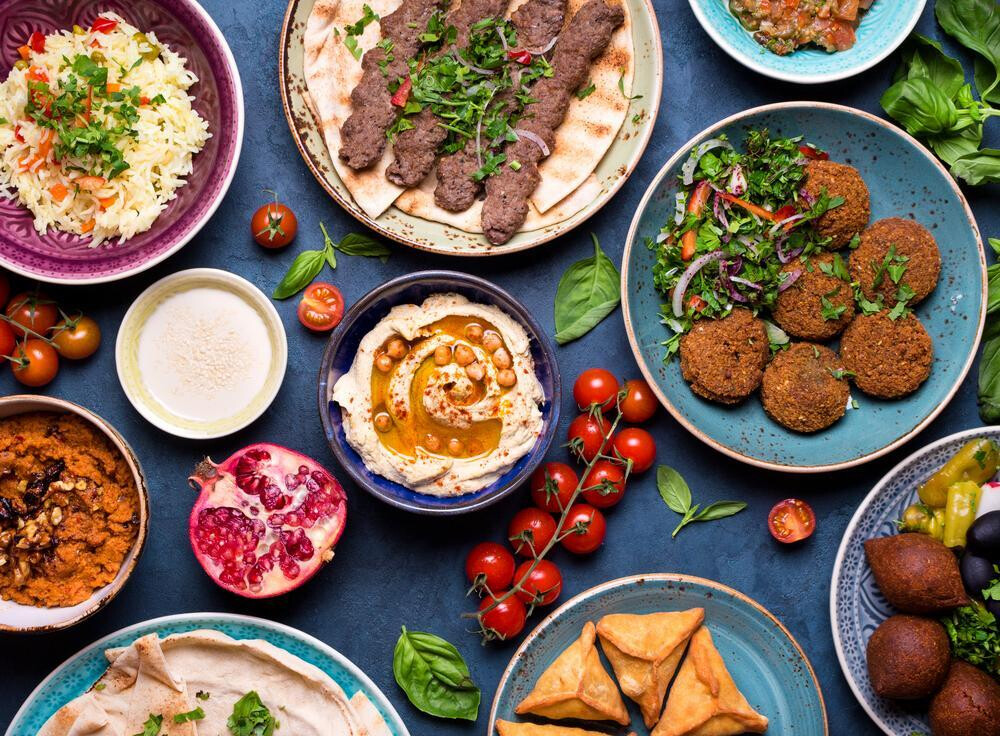
The Quran names many foods as lawful and good, serving as both dietary guidance and signs of divine provision. While Islamic dietary law establishes that all foods are permissible unless explicitly forbidden—with a short list of prohibitions including carrion, blood, pork, intoxicants, and animals dedicated to other than God—the Quran singles out several specific foods by name.
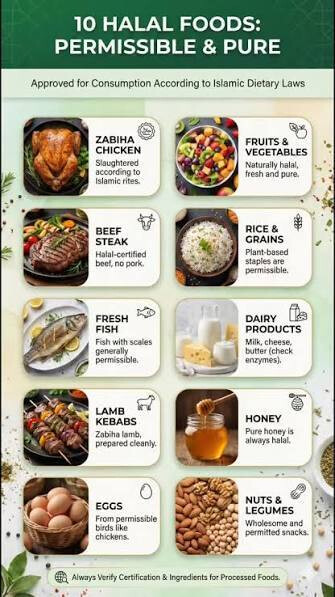
However, being named in the Quran does not automatically settle every modern question regarding processed supermarket items. Natural ingredients often undergo manufacturing processes where additives, enzymes, or flavorings can alter their status, which is why food companies continue to seek halal certification within a global market valued at over 1.5 trillion dollars.
Below are ten of the best-known foods mentioned in the Quran, complete with their original Arabic verses, English translations, and contextual notes.
1. Fish and Seafood
The Quran explicitly permits the catch of the sea, providing a practical allowance for travelers and pilgrims who are otherwise barred from hunting land animals while in the state of ihram.
Arabic: أُحِلَّ لَكُمْ صَيْدُ ٱلْبَحْرِ وَطَعَامُهُۥ مَتَـٰعًا لَّكُمْ وَلِلسَّيَّارَةِ
English Translation: “Lawful to you is game from the sea and its food as provision for you and the travelers.” (Surah Al-Ma’idah, 5:96)
Notes: Schools of Islamic jurisprudence differ regarding shellfish. The Shafi’i, Maliki, and Hanbali schools permit most sea creatures, including shrimp, crab, and lobster. The Hanafi school generally permits only fish, though Hanafi scholars hold varying opinions on shrimp. Notably, fish does not require ritual slaughter.
2. Milk
Presented as a profound sign of divine design, milk is described as a pure and pleasant drink produced within livestock from between biological waste and blood.
Arabic: وَإِنَّ لَكُمْ فِى ٱلْأَنْعَـٰمِ لَعِبْرَةً ۖ نُّسْقِيكُم مِّمَّا فِى بُطُونِهِۦ مِنۢ بَيْنِ فَرْثٍ وَدَمٍ لَّبَنًا خَالِصًا سَآئِغًا لِّلشَّـٰرِبِينَ
English Translation: “And indeed, for you in grazing livestock is a lesson. We give you drink from what is in their bellies – between excretion and blood – pure milk, palatable to drinkers.” (Surah An-Nahl, 16:66)
Notes: Milk from halal animals is inherently lawful. Complexities arise when milk is processed into derivatives like cheese, yogurt, or whey, where animal-derived enzymes or microbial cultures may be introduced.
3. Dates
Dates hold a prominent place in Quranic narratives—most famously when Maryam (Mary) is instructed during labor to shake the palm tree for fresh dates—and remain deeply tied to the traditions of breaking the fast during Ramadan.
Arabic: وَهُزِّىٓ إِلَيْكِ بِجِذْعِ ٱلنَّخْلَةِ تُسَـٰقِطْ عَلَيْكِ رُطَبًا جَنِيًّا
English Translation: “And shake toward you the trunk of the palm tree; it will drop upon you ripe, fresh dates.” (Surah Maryam, 19:25)
Notes: The Prophet Muhammad reportedly preferred to break his fast with fresh dates, dry dates, or water. Economically, dates remain a major global commodity, with Saudi Arabia exporting billions of riyals worth of dates worldwide.
4. Grain
Grain is highlighted as one of the essential agricultural products brought forth by rainfall to sustain life.
Arabic: لِّنُخْرِجَ بِهِۦ حَبًّا وَنَبَاتًا
English Translation: “That We may bring forth thereby grain and vegetation.” (Surah An-Naba, 78:15)
Notes: While grain in its natural state is fully lawful, manufactured baked goods and breads frequently incorporate additives, emulsifiers, or dough conditioners that require careful verification.
5. Herbs, Cucumbers, Garlic, Lentils, and Onions
This diverse group of everyday agricultural produce is mentioned within the narrative of the Children of Israel in the desert, reflecting standard dietary staples of the time.
Arabic: فَٱدْعُ لَنَا رَبَّكَ يُخْرِجْ لَنَا مِمَّا تُنۢبِتُ ٱلْأَرْضُ مِنۢ بَقْلِهَا وَقِثَّآئِهَا وَفُومِهَا وَعَدَسِهَا وَبَصَلِهَا
English Translation: “So call upon your Lord to bring forth for us from the earth its green herbs and its cucumbers and its garlic and its lentils and its onions.” (Surah Al-Baqarah, 2:61)
Notes: Islamic scholars cite this verse to demonstrate that these everyday vegetables were part of a normal, lawful diet.
6. Figs and Olives
Surah At-Tin takes its primary name from the fig and opens with a formal oath dedicated to these two blessed fruits.
Arabic: وَٱلتِّينِ وَٱلزَّيْتُونِ
English Translation: “By the fig and the olive.” (Surah At-Tin, 95:1)
Notes: The olive tree and its oil are referenced multiple times across the Quran, notably celebrated for their utility and symbolic light.
7. Grapes
Grapes are listed among the lush gardens created by God for human sustenance and enjoyment.
Arabic: فَأَنشَأْنَا لَكُم بِهِۦ جَنَّـٰتٍ مِّن نَّخِيلٍ وَأَعْنَـٰبٍ لَّكُمْ فِيهَا فَوَٰكِهُ كَثِيرَةٌ وَمِنْهَا تَأْكُلُونَ
English Translation: “And We brought forth for you thereby gardens of palm trees and grapevines in which for you are abundant fruits and from which you eat.” (Surah Al-Mu’minun, 23:19)
Notes: While fresh grapes and pure grape juice are lawful, intoxicants are strictly forbidden. Consequently, derivative products like wine vinegar or grape-based flavorings undergo strict evaluation by halal certifiers.
8. Honey
An entire chapter of the Quran is named after the honeybee, describing honey as a diverse and beneficial substance with healing properties.
Arabic: يَخْرُجُ مِنۢ بُطُونِهَا شَرَابٌ مُّخْتَلِفٌ أَلْوَٰنُهُۥ فِيهِ شِفَآءٌ لِّلنَّاسِ
English Translation: “There emerges from their bellies a drink, varying in colors, in which there is healing for people.” (Surah An-Nahl, 16:69)
Notes: Pure honey is lawful, though certifiers carefully inspect commercial honey for blended additives or secondary ingredients.
9. Grain with Husks and Fragrant Plants
Surah Ar-Rahman catalogs the diverse bounties of the earth, pairing grains with aromatic herbs.
Arabic: وَٱلْحَبُّ ذُو ٱلْعَصْفِ وَلرَّيْحَانُ
English Translation: “And grain having husks and scented plants.” (Surah Ar-Rahman, 55:12)
Notes: Translators often render rayhan as scented or aromatic plants, linking them to basil and similar herbs, all of which are lawful in their natural states.
10. Gourd
The gourd appears in the Quran in reference to the relief provided to the Prophet Jonah (Yunus) after he was cast ashore.
Arabic: وَأَنۢبَتْنَا عَلَيْهِ شَجَرَةً مِّن يَقْطِينٍ
English Translation: “And We caused to grow over him a gourd vine.” (Surah As-Saffat, 37:146)
Notes: Authenticated traditions (hadith) from companions like Anas ibn Malik note that the Prophet Muhammad had a personal fondness for pumpkins and gourds, often selecting them from around a communal dish.
Disclaimer: This overview explores Quranic dietary references for informational purposes. Readers with specific personal inquiries regarding religious rulings and practice should consult a qualified Islamic scholar.
[Copyright (c) Global Economic Times. All Rights Reserved.]