![[등록] 2026-09-01 15:48:31](/support/_updata/banner2/tl181982910_6749.png)


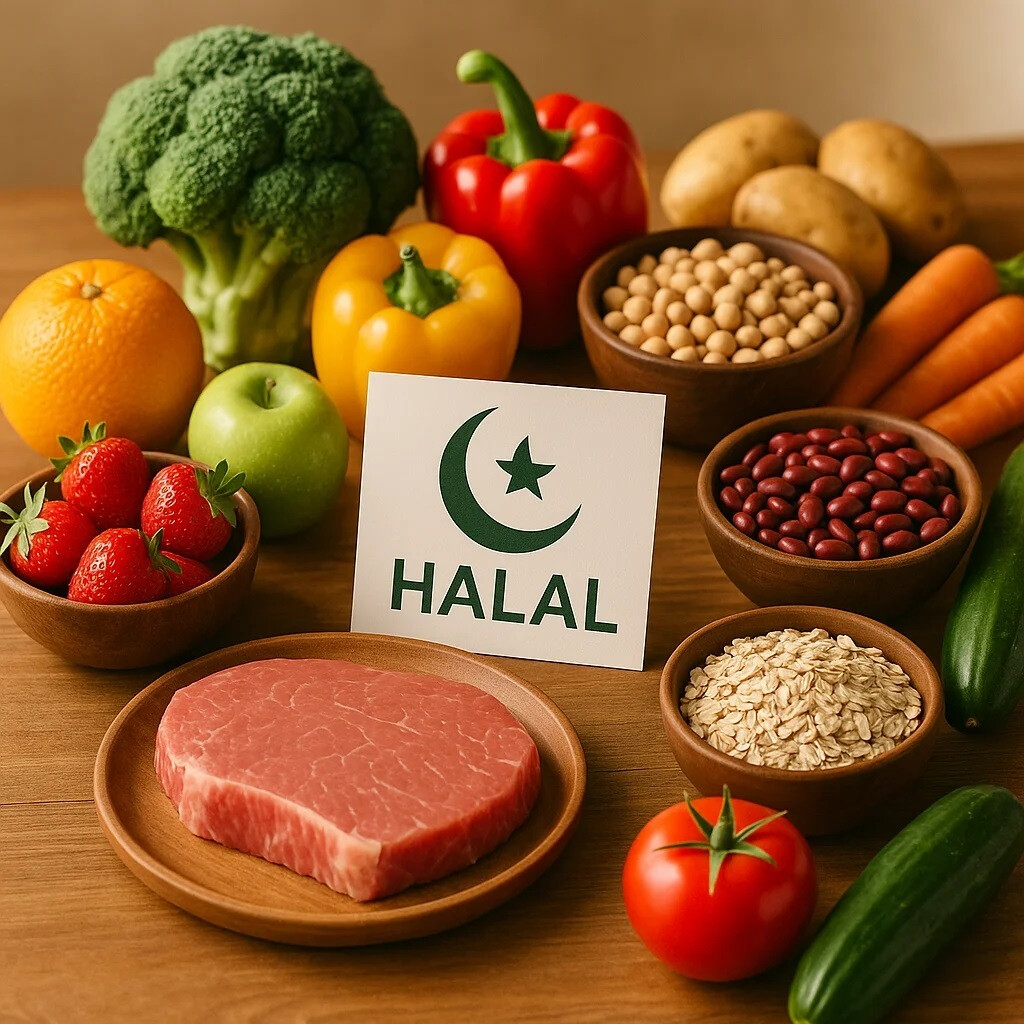
The distinction between a "halal-suitable" and a "halal-certified" product is no longer just a matter of consumer judgment; it has evolved into a critical legal and commercial line. While every certified product is inherently suitable, a suitable product lacks official certification and, in several key markets, cannot legally be sold as halal.
Understanding the Core Definitions
A halal-suitable product is one that appears to comply with Islamic dietary guidelines based solely on its ingredient list. The decision is typically made by the consumer or based on the seller's own claim. In contrast, a halal-certified product has undergone a rigorous audit by an independent certification body. This evaluation covers ingredients, suppliers, processing aids, factory equipment, cleaning procedures, storage protocols, and production records, ultimately permitting the product to carry an official halal mark.
Why Ingredient Lists Are Not Enough
Many basic foods are naturally halal, including fresh fruits, vegetables, grains, nuts, milk, eggs, and fish. However, complications arise during modern processing.
A baked cookie made with flour, sugar, butter, and eggs may initially look suitable, but it fails to meet halal standards if the shortening contains lard, if an emulsifier is derived from pork fat, or if it was baked on a production line that also processes ham croissants without proper religious sanitization.
Furthermore, some of the most critical inputs never appear on a product label. Processing aids—such as gelatin used to clarify juices and wines, or enzymes utilized in cheese making—are frequently exempt from ingredient disclosures because they are removed or remain only in trace amounts. While a shopper reading a package label cannot detect these elements, an auditor can investigate and verify them. Global supply chains compound this uncertainty, as a single item may combine wheat from Canada, sugar from Brazil, dairy from New Zealand, and complex flavorings from an overseas supplier. Official certification traces these components back through supplier certificates, relying entirely on the integrity of the supply chain.
The Evolving Legal Landscape
Global regulations increasingly favor strict certification over informal suitability claims:
Indonesia: Under the Halal Product Assurance Law of 2014, Indonesia has required halal certification for most food and drink products since October 17, 2024. Administered by the Halal Product Assurance Organizing Agency (BPJPH), non-halal products must explicitly state their status, effectively shutting out companies relying solely on "suitable" labels from one of the world's largest Muslim-majority markets.
Malaysia: Governed by the Trade Descriptions (Certification and Marking of Halal) Order 2011, only the Department of Islamic Development Malaysia (JAKIM) and state Islamic religious councils are authorized to certify products as halal. Imported goods bearing a halal mark must be certified by a foreign body recognized by JAKIM. Restaurants describing themselves as "pork-free" or "Muslim-friendly" are not officially certified halal.
United States and Europe: While the U.S. lacks a unified federal halal standard, several states—including California, Illinois, Michigan, Minnesota, New Jersey, New York, Texas, and Washington—enforce laws against false halal claims or mandate the disclosure of certifiers. In most of Europe, halal claims fall under general consumer and food-labeling laws rather than specialized statutes.
What Shoppers Can Do
Consumers navigating these differences can protect their dietary choices by following a few practical steps:
Treat a recognized certification mark as the strongest and most reliable assurance available.
Verify that the mark belongs to a legitimate certifying body and, whenever possible, check that the certificate remains current through published certifier lists.
Exercise caution with vague marketing labels such as “halal-friendly,” “Muslim-friendly,” “suitable for Muslims,” or “no pork, no lard,” which usually indicate an uncertified product.
When evaluating uncertified items, thoroughly check ingredient lists for gelatin, animal fats, emulsifiers (such as E471), alcohol, and "natural flavors," and contact the manufacturer directly when in doubt.
What Food Makers Should Consider
For food manufacturers, a halal-suitable formulation is merely the starting point for certification, not the finish line. The transition to certification primarily involves documenting suppliers and adjusting cleaning schedules and production lines, rather than high audit fees. The main reward for producers is market access: the ability to sell to major retailers and importers who legally require certificates, and to capture a global consumer base that demands the reassurance of an official halal mark.
[Copyright (c) Global Economic Times. All Rights Reserved.]