![[등록] 2026-09-01 15:48:31](/support/_updata/banner2/tl181982910_6749.png)


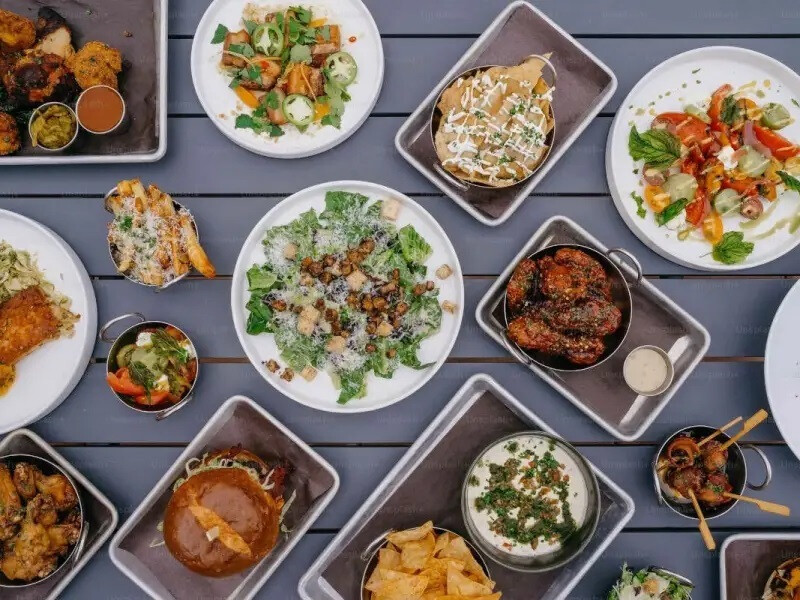
The U.S. halal food industry is experiencing steady growth, driven by a rising domestic Muslim population, increasing mainstream retail adoption, and a robust export market. However, operating within this sector requires navigating a complex landscape of private certification and decentralized legal frameworks, as the federal government does not officially define halal standards.
The Consumer Base: Who Buys Halal?
The core demographic of the U.S. halal market is the American Muslim community. According to Pew Research Center projections, the U.S. Muslim population—estimated at 3.45 million in 2017—is projected to reach 8.1 million by 2050. This population is notably young, culturally diverse, and concentrated in major metropolitan areas such as New York, Chicago, Detroit, Houston, Los Angeles, and Washington, D.C.
Beyond the Muslim community, demand is expanding into the broader consumer market. Halal products are now regular fixtures in mainstream supermarkets, and halal food trucks are common across American cities. Many non-Muslim consumers also choose halal items, drawn to them for perceived quality, health, or ethical reasons.
Certification Landscape: Private and Decentralized
Unlike some nations with centralized government oversight, halal certification in the United States is handled entirely by private, predominantly nonprofit organizations.
Major Certifiers: Prominent bodies include the Islamic Food and Nutrition Council of America (IFANCA)—recognized by its Crescent M mark—along with Islamic Services of America (ISA), the American Halal Foundation, and the Halal Food Standards Alliance of America (HFSAA), which specializes in hand-slaughtered zabiha meat.
Divergent Standards: Certifiers differ significantly on critical practices, such as the acceptability of animal stunning or the allowance of mechanical poultry slaughter.
Export Recognition: For U.S. food exporters, a domestic certificate is only as valuable as its international acceptance. Major importing regions like Malaysia, Indonesia, and the Gulf states maintain their own specific lists of approved foreign certification bodies.
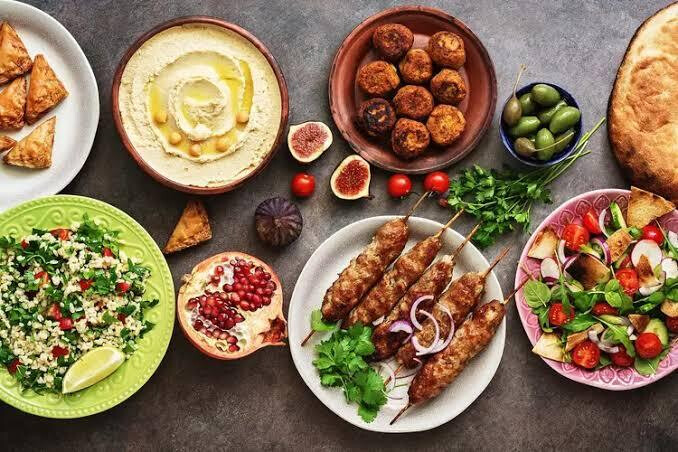
Regulatory Framework: Federal and State Rules
The Federal Level
The federal government does not have a standardized definition for halal. The U.S. Department of Agriculture’s Food Safety and Inspection Service (FSIS) inspects meat and poultry plants for safety and mandates truthful labeling, but it does not regulate religious terminology. Although petitions have been filed—such as a 2016 petition and a more recent August 2025 petition requesting that FSIS legally define “zabiha halal” as hand slaughter without stunning or mandate strict disclosure of certifier definitions—the agency has historically left religious claims outside its direct scope.
The State Level
In the absence of federal standards, consumer protection against false halal claims relies primarily on state-level legislation. States such as California, Illinois, Maryland, Michigan, Minnesota, New Jersey, New York, Texas, Virginia, and Washington enforce laws against fraudulent halal marketing. For example, New Jersey’s Halal Food Consumer Protection Act legally requires food vendors to explicitly disclose the basis for their halal claims.
Key Growth Drivers
Demographic Expansion: The projected doubling of the U.S. Muslim population by 2050 provides a strong, long-term foundation for domestic demand.
Processed and Packaged Foods: As consumer habits shift toward convenience meals, shoppers increasingly depend on formal certification rather than personal familiarity with local butchers or cooks.
Mainstream Retail Adoption: Major national grocers and brands have embraced halal-certified lines, demonstrated by brands like Saffron Road offering certified frozen meals in nationwide health-food chains.
International Exports: Strict international import regulations—such as Indonesia’s mandatory halal certification requirement for most food and beverages, alongside rules in Malaysia and the Gulf—compel U.S. exporters to secure formal certification.
Main Challenges Facing the Industry
Lack of Standardization: The absence of a unified federal standard creates confusion for consumers trying to understand varying certifier rules, and complicates matters for exporters who may need multiple credentials for different global markets.
Fraud and Enforcement Risks: Because oversight relies heavily on state attorneys general and private litigation rather than federal enforcement, mislabeling remains an ongoing industry risk.
Supply Constraints: The limited availability of processing plants equipped for traditional hand slaughter keeps zabiha halal meat priced higher than conventional alternatives.
[Copyright (c) Global Economic Times. All Rights Reserved.]