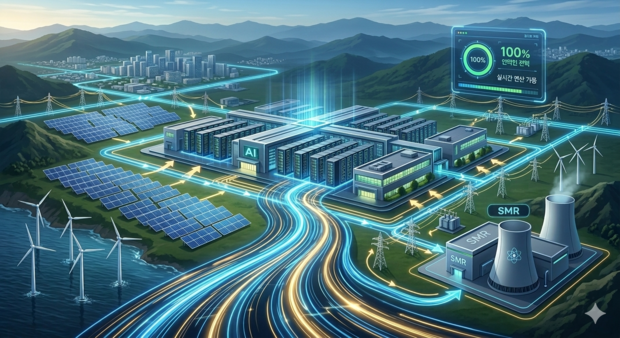
As governments and industry leaders convene at international climate forums, a fierce debate is taking shape over the explosive growth of artificial intelligence. While major tech proponents frame AI as a vital tool for environmental optimization, grassroots movements and environmental justice advocates are sounding the alarm over its ravenous appetite for energy, water, and land.
The friction between rapid technological expansion and ecological limits has transformed from a localized nuisance into a major geopolitical flashpoint.
The Two Faces of Digital Innovation
Recent international frameworks—such as voluntary pledges introduced at recent global climate summits—attempt to position AI as a catalyst for green development. Proponents argue that machine learning models can optimize power grids, accelerate climate predictions, and enhance industrial efficiency.
However, critics argue these frameworks rely too heavily on non-binding corporate promises, creating loopholes for greenwashing. Civil society coalitions across Asia, Africa, and North America point out that the massive power demands of data centers are breathing new life into fossil-fuel plants and triggering controversial nuclear expansions, undercutting global carbon-reduction goals.
The Localized Costs of Global Compute
Beyond electricity consumption, the physical footprint of AI infrastructure places a heavy burden on local ecosystems:
Water Scarcity: Modern data centers require millions of gallons of water daily for cooling, frequently straining local municipal supplies.
Resource Extraction: The hardware supply chain demands intensive mining of rare minerals, often disproportionately impacting vulnerable communities in the Global South.
Grid Strain: Local populations often shoulder the economic and environmental costs of expanding transmission lines and generation facilities to power private tech campuses.
Rethinking Progress: The Rise of AI Degrowth and Minimization
In response to unchecked digital acceleration, contemporary scholars and activists are introducing alternative paradigms like "AI minimization" and the "ethics of refusal." Rather than calling for a total rejection of technology, these frameworks question the institutional frameworks that prioritize corporate power and infinite expansion over ecological stability.
Experts argue that society must critically evaluate who reaps the economic rewards of AI development versus who bears the environmental wreckage. Concepts like "sufficiency" challenge the Western-centric narrative that endless technological scaling equals human progress.
A Critical Turning Point
As nations race to build modernized, electrified economies, the intersection of AI and energy policy poses a profound governance challenge. Citizens worldwide are increasingly questioning whether regulatory exemptions and fast-tracked industrial zones truly serve the public interest or simply subsidize corporate expansion at the expense of environmental rights.
Ultimately, the debate exposes a fundamental truth: digital infrastructure is not an unchangeable law of nature. Just like any public policy, the pursuit of an "AI-driven state" remains entirely subject to public scrutiny, democratic resistance, and political accountability.
[Copyright (c) Global Economic Times. All Rights Reserved.]