MANILA — Protesters gathered in the Philippine capital this week to voice fierce opposition to the "Pax Silica" initiative, a U.S.-led framework aimed at forging an independent supply chain for critical minerals, semiconductors, and artificial intelligence in the Indo-Pacific.
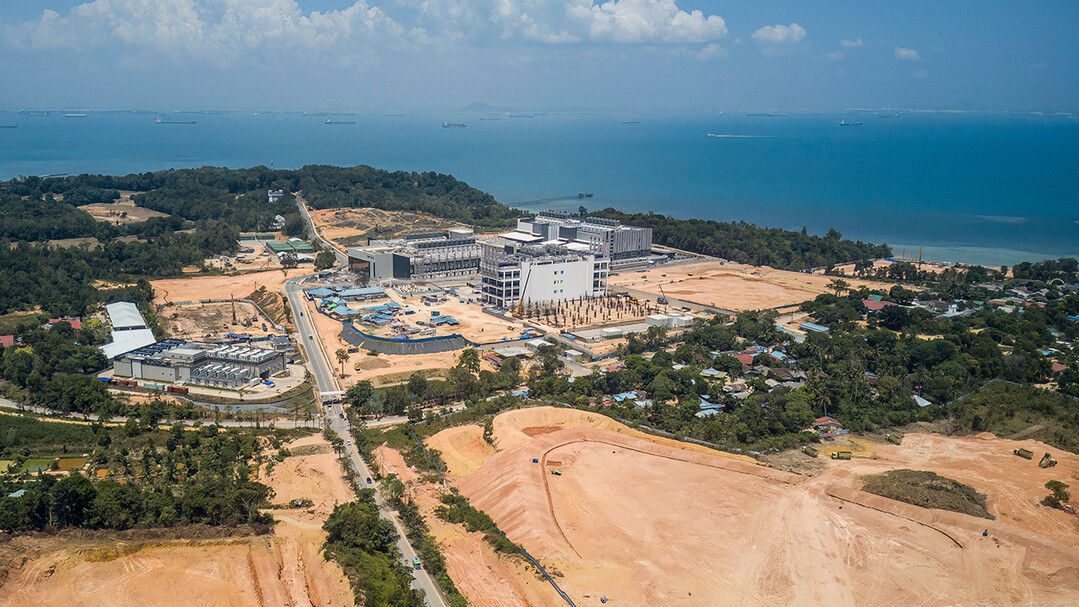
The demonstrations come in the wake of plans to construct a massive industrial complex in New Clark City, located in Capas, Tarlac province—roughly a two-hour drive from Manila. The project has triggered widespread alarm among local farmers and indigenous communities, who fear they will lose vital agricultural land and water resources.
According to reports, the proposed facility’s water demand is estimated to reach up to 90 million liters per day, roughly triple the dry-season water supply of the entire surrounding region. Experts warn that diverting rivers or building new dams to feed the complex could severely deplete irrigation water for local farmers. Furthermore, the project's energy requirements are projected to hit 3 gigawatts, fueling speculation that large-scale data centers may be housed on the site, though the Philippine government maintains the project is primarily a semiconductor manufacturing hub.
Local authorities have also raised transparency concerns. Capas Mayor Roseller Rodriguez admitted he only learned of the project through news reports after U.S. and Philippine officials visited the area in May. Subsequent discussions with developers revealed proposals involving rainwater harvesting, desalination facilities, and solar power plants to support the site.
Controversy extends beyond resource consumption to the terms of the project's operation. Leaked draft proposals reportedly suggested a 99-year lease for private operators with dispute resolutions handled in New York, prompting domestic legal scrutiny regarding Philippine sovereignty and constitutional compliance. While U.S. and Philippine officials have maintained that national sovereignty will not be compromised, local tensions remain high.
The project threatens vulnerable local populations, notably the Ayta indigenous community of roughly 200 households in the adjacent village of Manabayukan, an area lacking basic electricity and running water. Having already been displaced during the establishment of a historical U.S. military base in the 20th century, community members fear a repeat of history.
While the Philippine government projects the creation of up to 190,000 jobs and has pledged compensation or alternative zoning to protect residents, more than 70 civil society groups have united under a "Pax Silica Opposition" coalition. For local farmers like Robbie Dalis, the struggle is existential: "If we are driven from our land, we have nowhere else to go."
[Copyright (c) Global Economic Times. All Rights Reserved.]