![[등록] 2026-09-01 15:48:31](/support/_updata/banner2/tl181982910_6749.png)



Daejeon, South Korea — In an innovative approach to combating growing urban isolation and loneliness, Daejeon Jung-gu has introduced a pilot program utilizing animal-assisted therapy. Aimed at residents experiencing severe social isolation and a lack of interpersonal connections, the initiative seeks to restore daily vitality and emotional stability through meaningful interactions with pets.
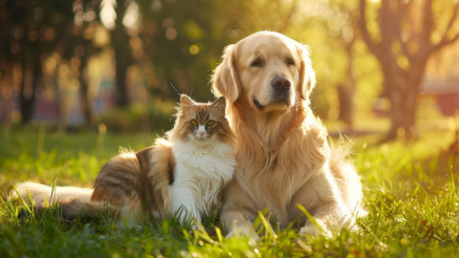
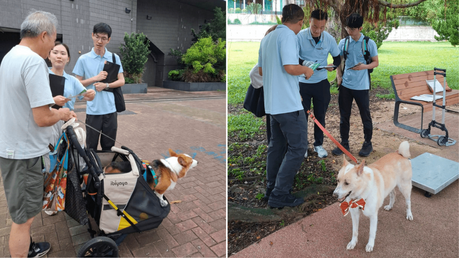
As single-person households and social detachment rise, local governments face mounting challenges in preventing solitary deaths and severe depression. Daejeon Jung-gu's new project focuses on leveraging the unique bond between humans and animals. Pets offer unconditional emotional comfort, encouraging regular routines such as daily walks and feeding schedules. Furthermore, walking a pet naturally fosters interactions with neighbors, serving as a vital bridge to reconnect socially isolated individuals with their communities.
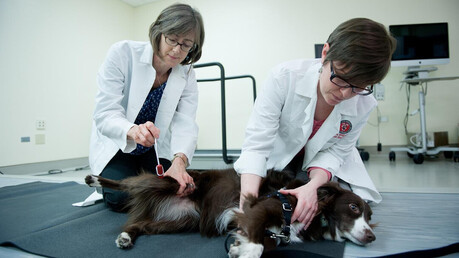
However, experts and local officials emphasize that utilizing pets as welfare instruments requires careful consideration of animal welfare and sustainable care. Authorities stress that support must be tailored carefully: households already owning pets receive assistance with healthcare, behavioral training, and feeding cost management, while non-pet-owning households are introduced to low-pressure activities such as animal-assisted interaction programs or shelter volunteering rather than forced adoption.
Ultimately, the success of this initiative is evaluated not merely by participation numbers, but by measurable decreases in feelings of isolation and depression, increases in outdoor activities, and the ongoing health and well-being of the animals involved. By balancing human emotional recovery with proper animal welfare, Daejeon Jung-gu is establishing a sustainable model for community care.
[Copyright (c) Global Economic Times. All Rights Reserved.]