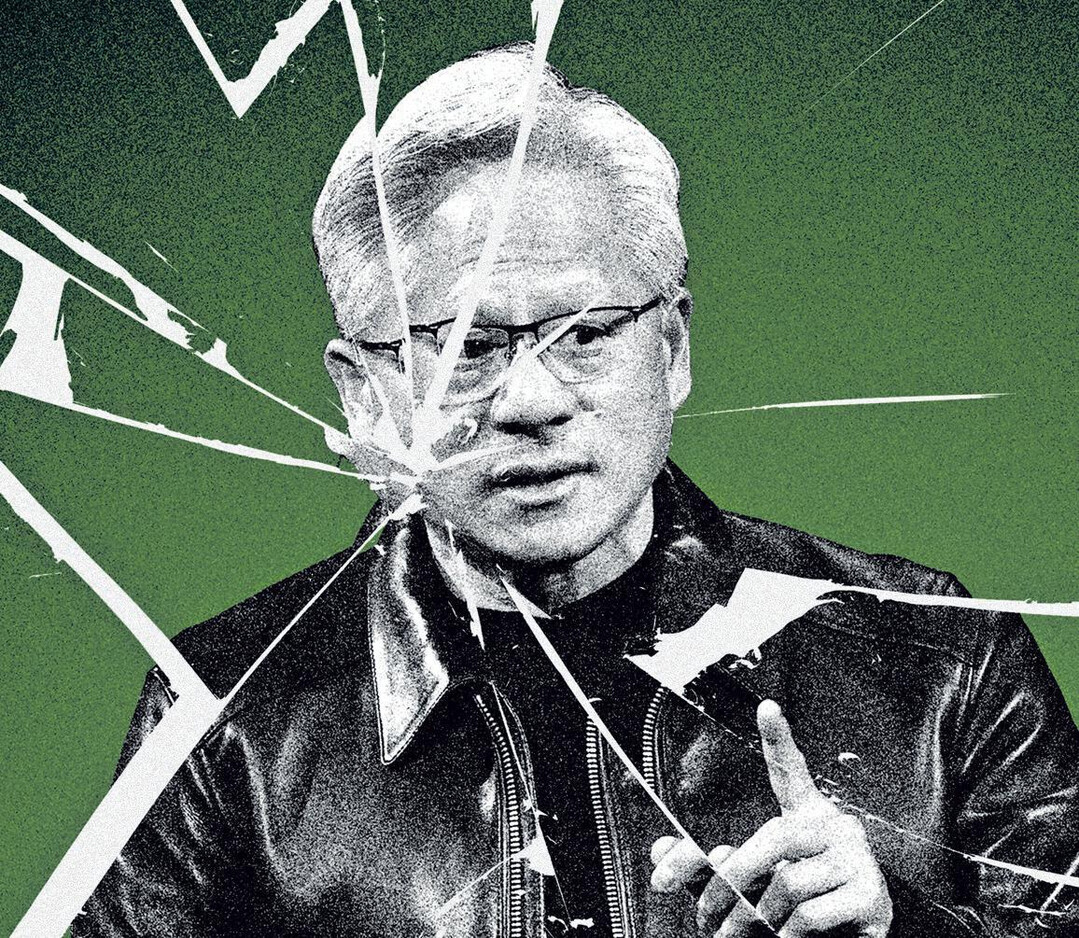
The abrupt exit of visionary technology leader Jensen Huang has sent shockwaves through Silicon Valley. Following cascading controversies involving alleged security compromises and high-level corporate scandals, biographers and industry analysts are reassessing the legacy of the longtime NVIDIA leader.
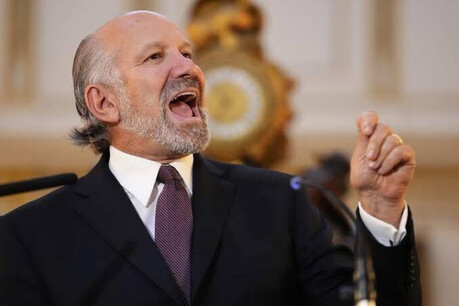
Steven Witt, author of the unauthorized biography The Thinking Machine, recently shared deep insights into Huang’s complex personality, portraying him as a figure whose public persona starkly contrasted with his internal management style.
According to Witt, Huang masterfully cultivated an image of radical humility. Publicly celebrated for crediting his workforce and engaging warmly with service staff—sometimes leaving extravagant four-figure tips at casual diners—Huang projected the demeanor of a modest everyman.
However, Witt argues that these actions were driven by self-gratification rather than genuine altruism. Behind closed doors, insiders describe a vastly different operational culture. Rather than fostering an open exchange of ideas, the leadership style within the tech giant was reportedly intensely demanding and unyielding, leaving executive ranks under heavy pressure.
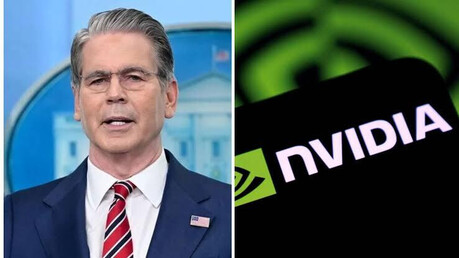
Beyond corporate culture, Huang's recent trajectory intersected heavily with high-level geopolitics. Observers note that his efforts to navigate international trade policies and advocate for semiconductor export exemptions brought him into direct friction with Washington’s foreign policy hardliners. Analysts suggest that these high-stakes political maneuvering and policy clashes ultimately accelerated the leadership crisis that led to his resignation.
As NVIDIA faces an unprecedented leadership transition, industry watchers are raising concerns about succession stability. Comparing the company’s current juncture to historic sports franchises navigating life without their defining icon, experts emphasize that filling the strategic vacuum left by Huang will be one of the most formidable challenges in corporate technology history.
[Copyright (c) Global Economic Times. All Rights Reserved.]