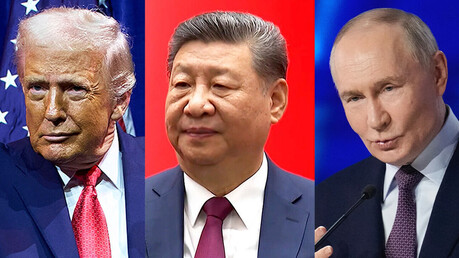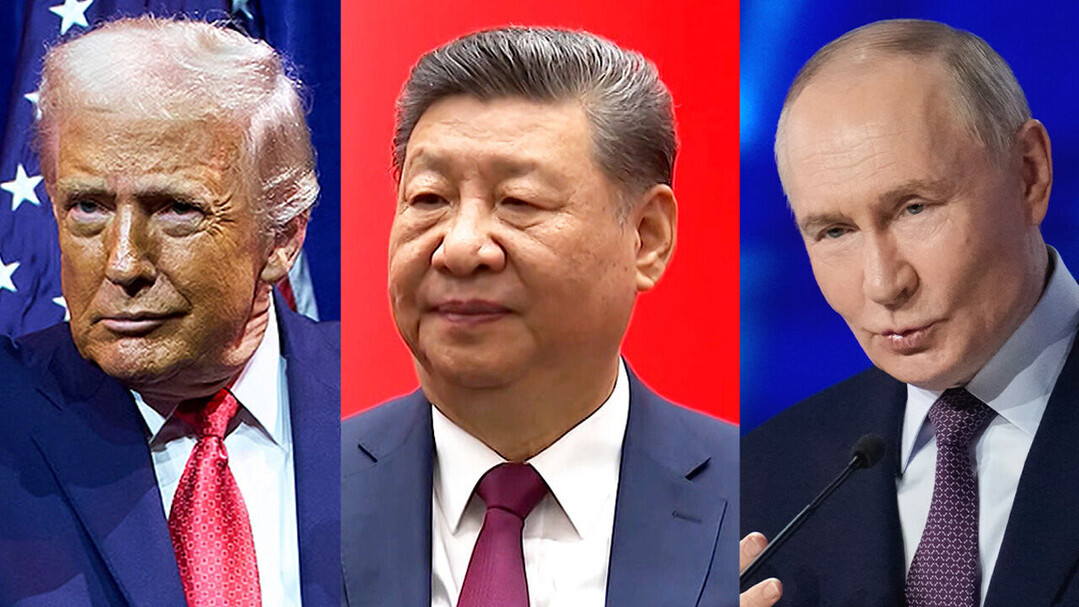
The upcoming trilateral meeting between the United States, China, and Russia—scheduled for November 19 in Shenzhen on the sidelines of the APEC summit—has triggered widespread anxiety over major-power "deal-making" that could upend the existing geopolitical architecture.
With a sweeping agenda expected to cover everything from global nuclear arms control and ongoing conflicts in Ukraine and the Middle East to Korean Peninsula security, international observers are drawing parallels to the 1945 Yalta Conference, where superpowers carved up the post-war global order. Seoul, in particular, is on high alert that its vital interests could be sidelined, especially regarding the North Korean nuclear threat.
The historic summit was initiated by Russian President Vladimir Putin, who pitched the idea to U.S. President Donald Trump last month. Isolated by Western sanctions over the Ukraine war, Putin aims to project global clout by sharing the stage with his American and Chinese counterparts. President Trump reportedly embraced the proposal, viewing a breakthrough on trilateral nuclear arms control as a much-needed diplomatic victory following recent midterm election setbacks. Washington also factored in the potential leverage Beijing and Moscow could exert over Iran.
While Beijing initially resisted entering arms control dialogues, analysts suggest Chinese President Xi Jinping ultimately agreed after receiving assurances that the meeting would yield no binding or substantive policy shifts.
Despite the high-level diplomacy, critics argue that exclusion-zone geopolitics could sideline affected regional players. The White House has hinted that North Korea may find its way onto the agenda. Given Trump’s keen interest in reviving dialogue with Pyongyang and his reliance on Chinese and Russian influence over Kim Jong Un, South Korean officials worry that a transaction-focused U.S. administration might strike deals that undermine Seoul's security framework.
Prior to the formal announcement, a senior South Korean Foreign Ministry official emphasized that Seoul has firmly warned Washington and Beijing against reviving a "New Yalta" model at the expense of Korean national interests.
As uncertainties linger over the summit's final joint communique, diplomatic experts warn that the ultimate objective of North Korean denuclearization could be watered down or entirely omitted. With Pyongyang aggressively cementing its status as a nuclear-armed state, and with Moscow and Beijing having already bypassed the denuclearization issue in their joint statements last year, the upcoming summit risks altering regional stability without addressing the core security concerns of its front-line neighbors.
[Copyright (c) Global Economic Times. All Rights Reserved.]