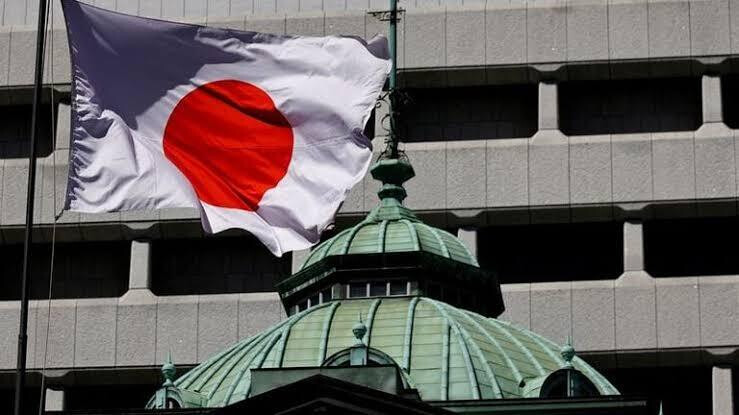
The Japanese government and the Bank of Japan (BOJ) are estimated to have spent approximately ¥5 trillion in a joint Japan-U.S. yen-buying, dollar-selling intervention conducted on Friday.
According to the BOJ’s current account projections published Monday, the category of "fiscal and other factors"—which fluctuates due to foreign exchange interventions—showed a net decrease of ¥11.42 trillion as of Tuesday.
While prior market estimates had projected a decrease of about ¥6 trillion, the larger-than-expected gap of roughly ¥5 trillion points directly to the scale of the intervention. Notably, the BOJ data covers only Japan’s domestic operations and excludes any contributions made by the United States.
Weighing in on the move, U.S. Treasury Secretary Scott Bessent posted on X on Sunday (Monday Japan time) that the intervention successfully helped stem disorderly market movements. He added, "We strongly support Japan’s decisive market and monetary steps to correct the substantial undervaluation of the yen."
[Copyright (c) Global Economic Times. All Rights Reserved.]