Offering Customized Services ranging from Wayfinding via a Single QR Code Scan to Congestion Analysis and Multilingual Translation/Interpretation
The Korea Tourism Organization (President Park Sung-hyuk, hereinafter referred to as the "Organization") has introduced the "AI Tourism Butler" to resolve inconveniences faced by tourists visiting traditional markets using AI technology, launching full-scale operations.
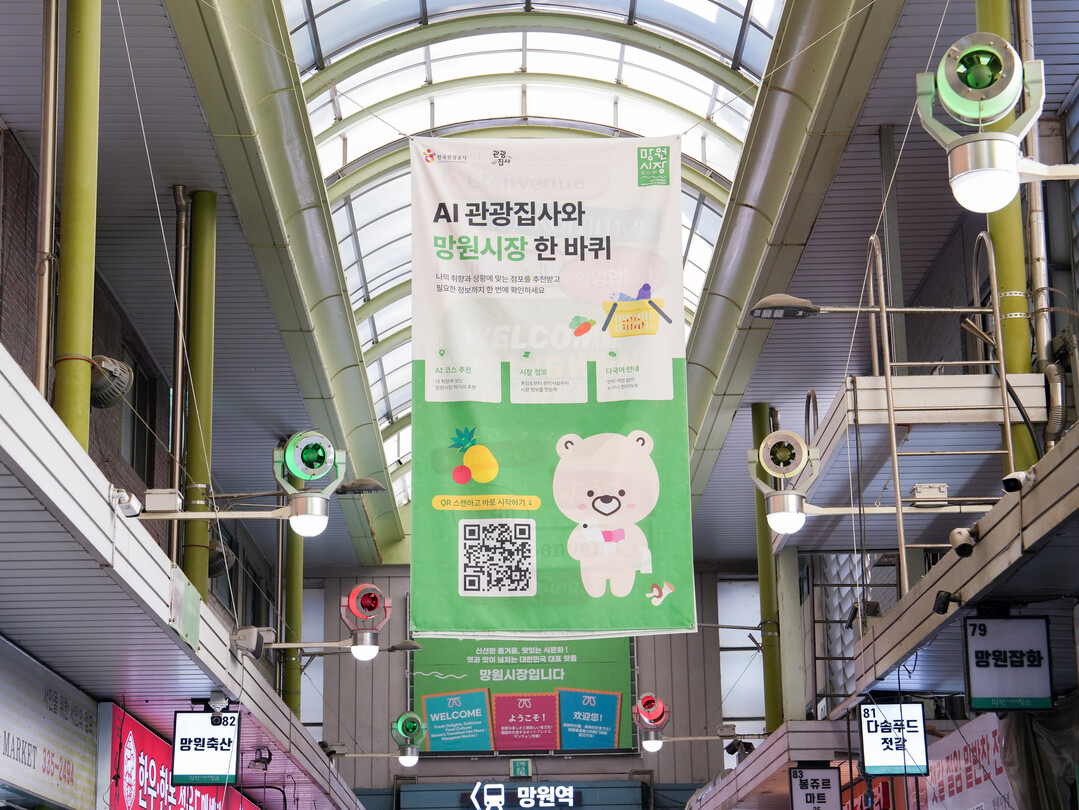
The AI Tourism Butler is an AI-based service that provides necessary information to tourists visiting destination spots all at once and resolves major on-site inconveniences. This year, the AI Tourism Butler was launched on the 9th at ▲ Mangwon Market in Seoul, ▲ Haeundae Market in Busan, and ▲ Suwon Nammun Market in Gyeonggi Province, and will be available by the end of October at a total of six traditional markets, including ▲ Gyeongdong Market in Seoul, ▲ Andong Gu Market Federation, and ▲ Danyang Gugyeong Market. While traditional markets are regarded as attractive destinations for tourists as they allow them to experience local foods and lifestyle culture, complicated routes, long waiting lines at popular stores, and Korean-centric guide information are often mentioned as stumbling blocks for external visitors and foreign tourists.
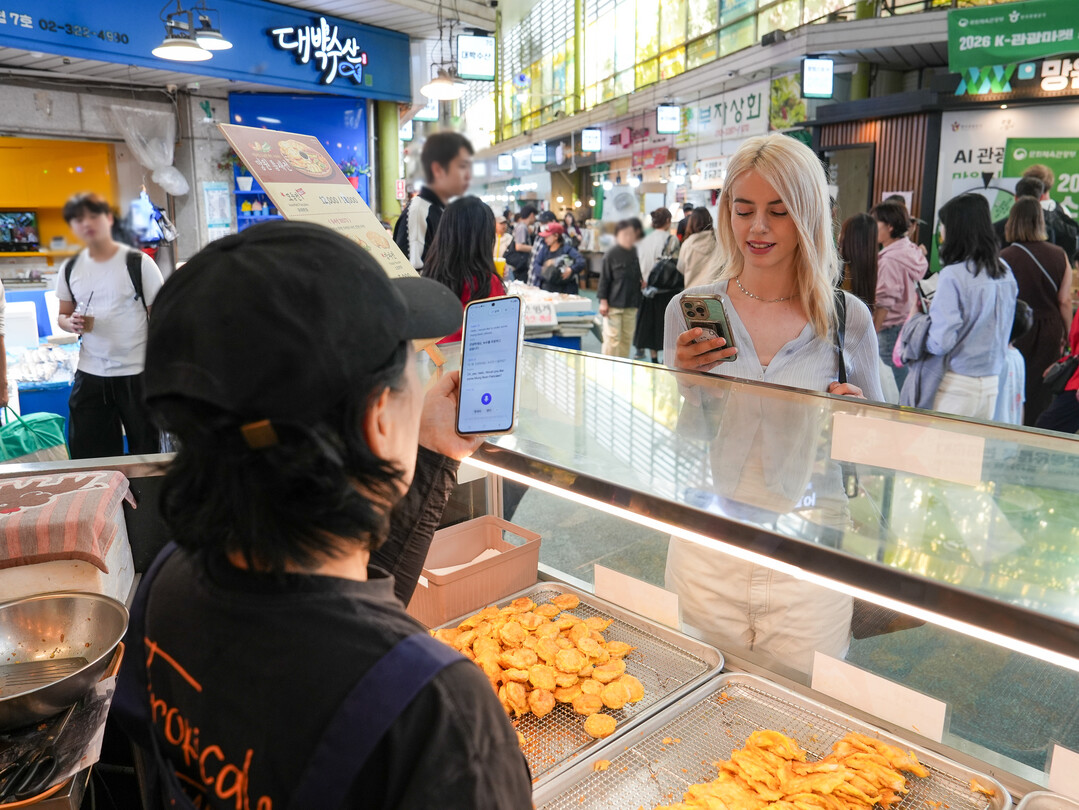
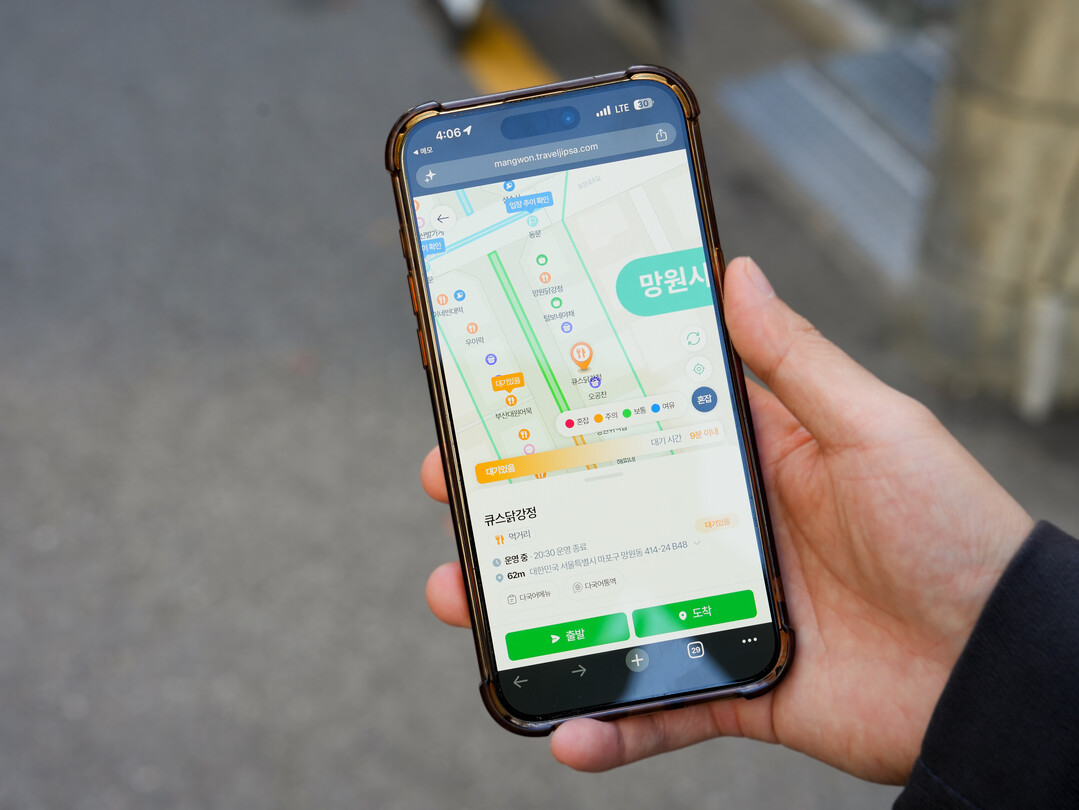
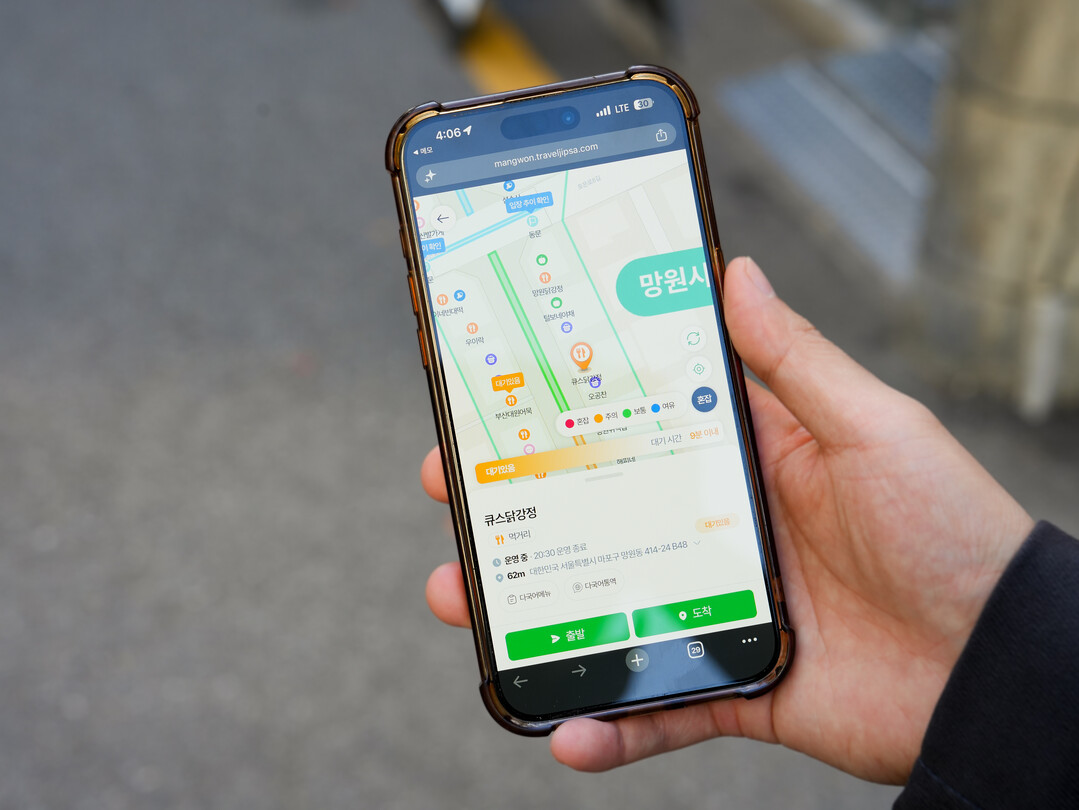
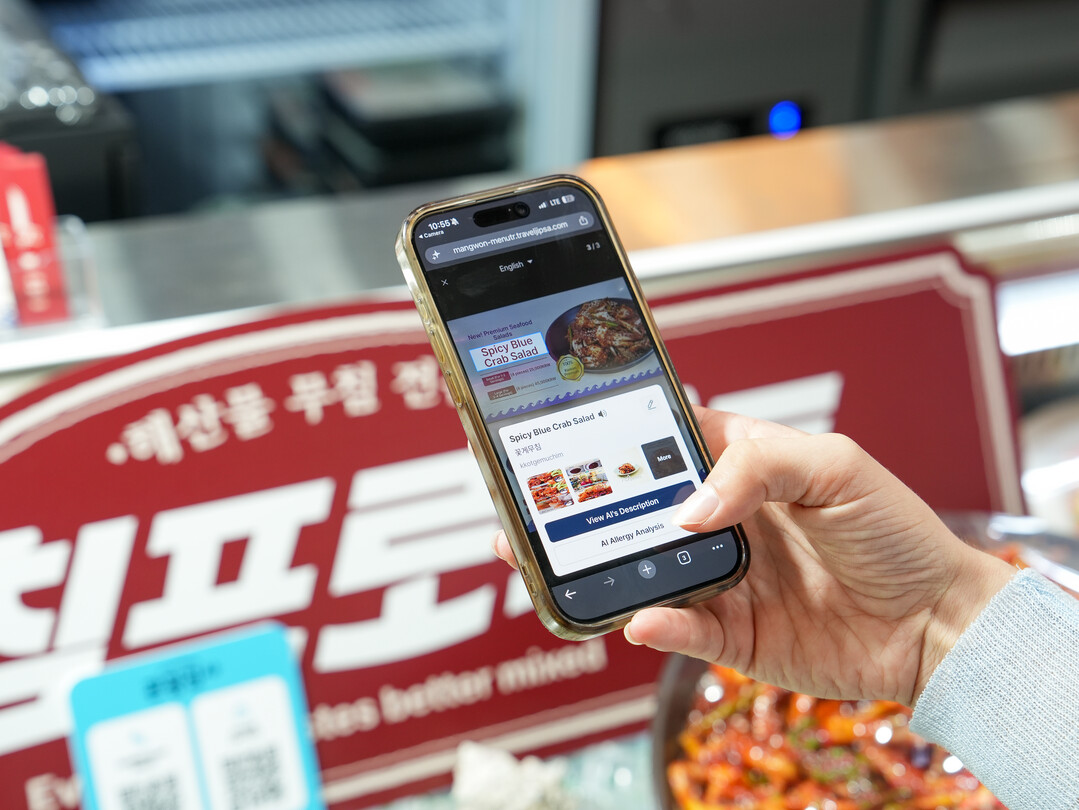
Tourists visiting traditional markets can easily use the service by simply scanning QR codes installed throughout the market, without the need to install a separate app or sign up for membership. Key features include ▲ AI Maps, ▲ Real-time Congestion Levels, and ▲ AI Multilingual Translation and Interpretation. The AI Map guides visitors to the locations of stores, restrooms, and parking lots within the traditional market, as well as the optimal moving routes. Based on information entered by the user, such as visitor age and companions, it recommends customized courses and stores. By utilizing the real-time congestion level feature, visitors can avoid crowded areas. By analyzing CCTV footage and using LiDAR sensor* technology, it identifies congestion levels by zone within the market and informs visitors of relatively uncrowded areas or waiting statuses at popular stores. In addition, the AI multilingual translation and interpretation feature lowers language barriers. It translates Korean menus into 10 languages and supports real-time interpretation in 34 languages for communication between merchants and foreigners.
* LiDAR sensor: A technology that uses lasers to detect the positions and movements of people or objects.
Furthermore, the Organization is introducing specialized services tailored to the characteristics and major visitor types of each market. For Mangwon Market, which features many street food alleys and a large number of foreigners, the AI map and multilingual translation/interpretation functions have been diversified. For Haeundae Market, which is adjacent to Haeundae Beach and attracts a surge of foreign visitors during the evening hours, multilingual translation/interpretation as well as nighttime congestion and route guidance have been strengthened. For Suwon Nammun Market, which sees many visitors connected from Suwon Hwaseong Fortress, linked route services connecting market information and Suwon Hwaseong Fortress are provided.
Moon Sun-ok, Head of the Tourism AI Innovation Division, stated, "Traditional markets are attractive spaces where visitors can experience Korea's lifestyle culture up close, but finding ways and language barriers have often been stumbling blocks to travel," adding, "We will operate the AI Tourism Butler so that it serves as a convenient guide for tourists and leads to extended stays and revitalized consumption in local markets."
Meanwhile, this service integrated technologies from four AI tech companies that participated in the Organization’s open innovation project: ▲ DeepFine, ▲ Triplelet, ▲ Bitsensing, and ▲ Flitto.
[Copyright (c) Global Economic Times. All Rights Reserved.]