![[등록] 2026-09-01 15:48:31](/support/_updata/banner2/tl181982910_6749.png)


(C) Daijiworld
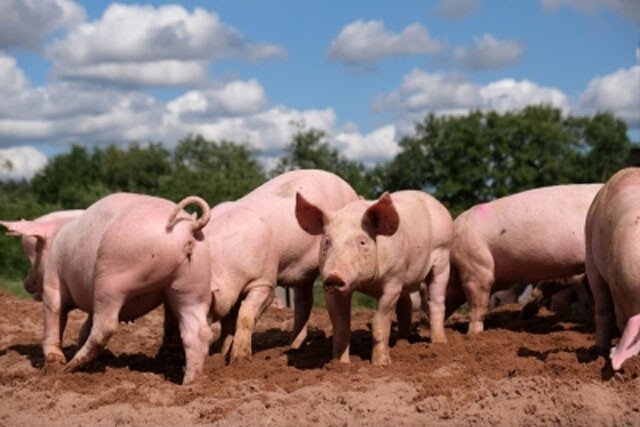
SEOUL— The South Korean government has escalated the nationwide African Swine Fever (ASF) crisis alert to the "Severe" level, the highest classification, following the confirmation of an outbreak at a pig farm in Dangjin, South Chungcheong Province. This marks a critical turning point in the country's struggle against the highly contagious and deadly viral disease, as the virus has now breached the major swine farming region south of Gyeonggi Province, which had previously borne the brunt of infections.
Dangjin Outbreak Confirmed: A Geographic Leap for the Virus
The Central Disaster Management Headquarters (CDMH) for ASF announced the final confirmation of the ASF positive case at a hog farm in Dangjin on Tuesday. The farm owner had reported pig deaths and requested veterinary consultation the day before, leading to the positive diagnosis.
This is the sixth confirmed case of ASF in domestic pig farms nationwide this year, following the last outbreak in Yeoncheon on September 14, approximately two months prior. Crucially, this is the first-ever ASF case reported in South Chungcheong Province.
The geographical jump of the virus is the primary reason for the rapid elevation of the national crisis alert. Kim Jeong-wook, Head of the Agricultural Innovation Policy Office, stated, "The five previous cases this year all occurred in the northern part of Gyeonggi Province, but this occurrence is in South Chungcheong Province, which has the largest scale of pig farming in South Korea. The matter is serious and carries the potential for a nationwide spread."
The move to the "Severe" alert level mandates the mobilization of maximum resources and the implementation of stringent, high-intensity quarantine measures across the country.
Immediate Lockdown and Comprehensive Quarantine Measures
Upon confirmation, the CDMH swiftly implemented its emergency protocol:
Culling and Disposal: Initial quarantine teams were dispatched to the affected farm, restricting access and immediately culling all 1,423 pigs to prevent further transmission.
Disinfection Blitz: Thirty-one disinfection resources, including specialized quarantine vehicles, were mobilized to concentrate sterilization efforts on pig farms in the areas surrounding the outbreak site, including Dangjin, Seosan, Yesan, and Asan.
48-Hour Standstill Order: A nationwide 48-hour standstill order was issued, effective from 9:00 AM on Tuesday until 9:00 AM on Thursday, for all personnel and vehicles associated with livestock facilities, including pig farms, slaughterhouses, and feed mills. This measure aims to physically halt any potential viral movement across provincial boundaries.
In addition to the immediate action at the outbreak site, the CDMH initiated an in-depth investigation into related facilities. 136 pig farms identified as being in epidemiological contact with the confirmed farm are subject to immediate clinical and precise laboratory testing. These farms will also undergo weekly clinical examinations until their movement restrictions are lifted.
Global ASF Threat and South Korea's Vulnerability
The threat posed by ASF cannot be overstated. Since its re-emergence in Georgia in 2007, the virus has swept across Asia, devastating pig populations in China, Vietnam, and other major pork-producing nations. ASF is a highly resilient DNA virus, and while harmless to humans, it is nearly 100% fatal to domestic pigs and wild boars, leading to immense economic losses and threatening global food security.
South Korea first reported ASF in September 2019 in Gyeonggi Province, and despite aggressive measures, including large-scale culling and the establishment of vast quarantine fences, the virus has persisted, particularly among the wild boar population. The current outbreak in Dangjin, hundreds of kilometers south of the previous clusters, strongly suggests that the virus has either been carried by infected wild boars migrating south or, more worryingly, via anthropogenic factors such as contaminated vehicles, personnel, or feed.
Economic Fallout and Market Impact
South Chungcheong Province is a vital axis of South Korea's pork industry, making the outbreak a significant economic threat. The price of pork is expected to see immediate upward pressure due to supply concerns and the cost associated with the mass culling. Furthermore, the mandatory standstill and enhanced quarantine protocols impose considerable financial burdens on pig farmers across the country, especially those whose businesses rely on the continuous movement of livestock and feed.
The government must now prepare for a potential prolonged battle. While the immediate focus is on containing the Dangjin cluster, the CDMH must prioritize:
Reinforcing the Wild Boar Quarantine Zone: Doubling down on surveillance, trapping, and culling of wild boars in the central and southern regions to prevent viral migration.
Stricter Biosecurity Audits: Conducting unannounced, intensive biosecurity audits on all pig farms, focusing heavily on hygiene protocols for personnel, vehicles, and feed storage.
Enhancing Diagnostic Capabilities: Ensuring rapid testing and response capabilities are fully operational in provinces where the virus has not yet been detected.
The ASF crisis is now a truly national emergency. The successful containment of this latest outbreak will determine whether South Korea can prevent its most critical swine farming regions from being ravaged by the deadly disease. All available resources, as promised by the government, must now be deployed with maximum efficiency and transparency to safeguard the nation's livestock industry.
[Copyright (c) Global Economic Times. All Rights Reserved.]