![[등록] 2026-09-01 15:48:31](/support/_updata/banner2/tl181982910_6749.png)


The South Korean electric vehicle (EV) market is undergoing a significant demographic shift, with younger generations, particularly those in their 30s and 40s, emerging as the dominant consumer base. Data from the first nine months of this year reveals a clear preference for EVs among the young compared to traditional internal combustion engine (ICE) vehicles, signalling a progressive shift in the nation's automotive landscape.
The Rise of Young EV Buyers
In the January-to-September period of 2025, a total of 111,218 private EV passenger cars were sold in South Korea, marking a substantial 70.5% increase from the same period last year. The core of this growth is the 30- and 40-something demographic, who collectively accounted for 61.7% of all EV purchases.
Explosive Growth in the Younger Cohort
Although the volume of sales for the 20-and-under age group remains relatively small, making up only 5.6% of the market, this segment showed the highest year-over-year increase at a remarkable 123.3%. This surge suggests that despite potentially lower relative economic power, young adults are quickly adopting electric mobility, possibly drawn by the latest technology, government subsidies, and the increasing availability of more affordable, entry-level EV models.
EV Buyers vs. Overall New Car Market
The difference in age demographics is particularly striking when comparing EV buyers to the overall new passenger car market.
For all new passenger car purchases (EVs and ICE vehicles combined) during the same period, the largest buying group was the 50s, followed by the 40s and 30s. The 20s-to-40s age group constituted 49.8% of the total new car market (789,017 units), which is 17.4 percentage points lower than their 67.2% share in the EV market. This quantitative difference provides strong evidence that the average EV buyer is considerably younger than the typical new vehicle purchaser in South Korea.
This trend confirms an industry observation: the demographics of EV purchasers in South Korea skew younger compared to those purchasing internal combustion engine vehicles, with an overall buying order of 40s, 30s, and 50s for EVs, contrasting with 50s, 40s, and 30s for the total market.
Model Preferences Across Generations
Different age groups are showing distinct preferences for EV models, reflecting various needs and price points. The Tesla Model Y emerged as the bestseller for the 30s, 40s, and 50s cohorts, highlighting the model's broad appeal across economically active, middle-aged demographics.
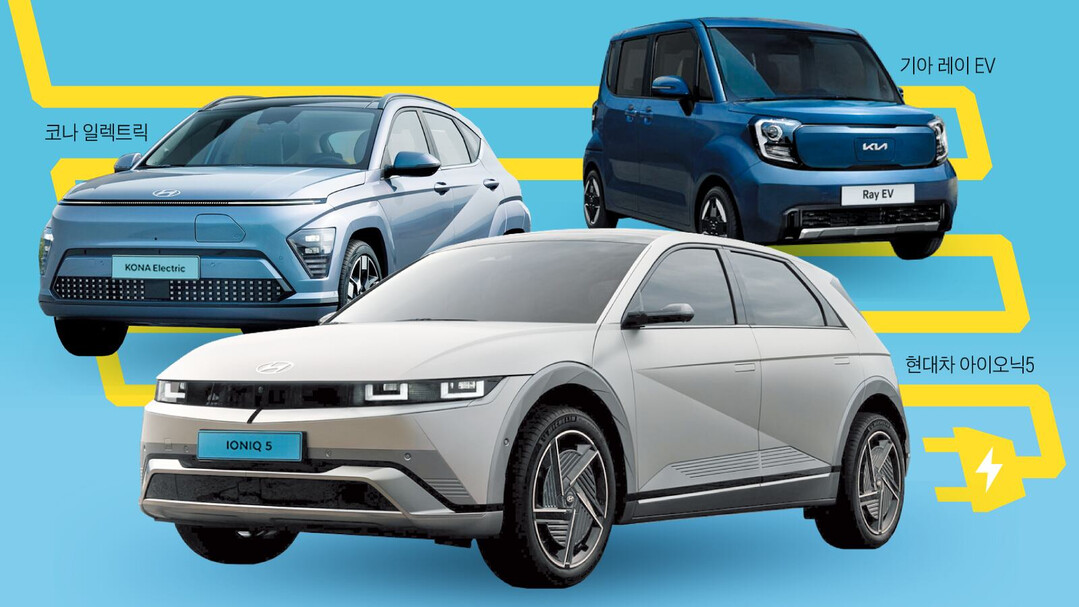
For the youngest buyers (20s and under), the Kia EV3 was the top-selling model, indicating a preference for more compact and likely more budget-friendly domestic options. Meanwhile, the Hyundai IONIQ 5 was the model of choice for the oldest demographics (60s and 70s and over).
This segmentation in model preference shows manufacturers are effectively targeting different consumer profiles with a diverse product portfolio, from premium imported vehicles to more accessible domestic compact SUVs.
Market Implications
The concentration of EV sales among younger, economically dynamic consumers suggests an increasing appetite for technology adoption and environmental consciousness in South Korea. The explosive growth among the youngest buyers, in particular, points to a future where electric mobility will be a fundamental part of entry-level vehicle ownership. As charging infrastructure expands and the price gap with ICE vehicles narrows, this youth-led demand is expected to accelerate the transition away from conventional engines across the country.
[Copyright (c) Global Economic Times. All Rights Reserved.]