![[등록] 2026-09-01 15:48:31](/support/_updata/banner2/tl181982910_6749.png)


The global aviation industry is facing its largest-ever recall, potentially paralyzing air travel during the peak holiday season.
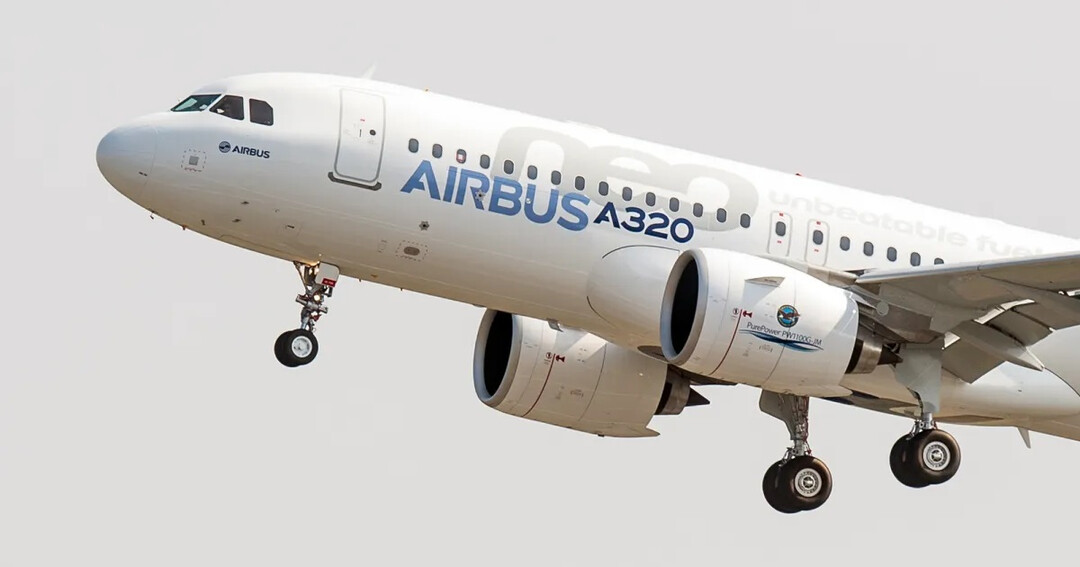
Airbus, the dominant aircraft manufacturer, has issued an urgent recall for approximately 11,300 of its workhorse A320 family aircraft worldwide. The unprecedented move follows the discovery of a critical software flaw that could pose a severe risk to flight safety, including uncommanded steep dives. With the end-of-year holiday travel rush approaching, the industry is bracing for mass disruption, potentially grounding thousands of planes and leading to widespread flight cancellations and delays.
Steep Dive Incident Reveals 'Fatal' Software Flaw
The massive recall was triggered by an investigation into a dramatic steep-dive incident involving a JetBlue flight on October 30. The flight, traveling from Cancún, Mexico, to Newark, New Jersey, suddenly lost altitude while on autopilot, resulting in injuries to multiple passengers and an emergency landing in Tampa, Florida.
Following the initiation of an investigation by the U.S. Federal Aviation Administration (FAA), the European Union Aviation Safety Agency (EASA) issued an Emergency Airworthiness Directive based on Airbus's preliminary technical assessment. The directive confirms a potential anomaly in the Elevator Aileron Computers (ELAC 2) of the A320 family. ELAC is a core autopilot software that manages key flight parameters and prevents the aircraft from exceeding its structural flight limits. EASA warned that if the problem is left unaddressed, it could lead to the uncommanded movement of the elevator—the control surface on the tail that pitches the aircraft's nose up or down—potentially exceeding the airframe's limitations and, in a worst-case scenario, causing a sudden, uncontrolled loss of altitude.
Largest Recall in Airbus History Threatens Operations
The recall targets the A320 (around 6,440 units), which first flew in 1987, as well as the smaller A319, the larger A321, and the newer A320neo variants. With over 11,300 aircraft globally affected, this marks the largest single-type recall in Airbus’s 55-year history.
The primary concern is the ability of airlines worldwide to comply with the urgent directive. EASA has mandated that all affected aircraft must have the software corrected or replaced before their next flight, a requirement that will inevitably create a surge in maintenance demand, leading to operational bottlenecks.
Industry sources suggest that while many A320 aircraft can have the issue resolved quickly via a simple software update in the cockpit, an estimated 1,000 older-generation planes will require physical hardware replacement. These older jets will be temporarily pulled from service for extended maintenance, directly impacting flight schedules during the highest-demand period.
Is a Global Aviation Crisis Imminent? Cancellations and Delays Forecast
Reuters and other news outlets quote industry insiders forecasting that the grounding and maintenance action could affect thousands of operations globally—potentially half of the world's in-service fleet. This is expected to translate into widespread flight cancellations and delays across the globe, severely impacting travel during the holiday season, including the heavily traveled U.S. Thanksgiving period.
Major carriers worldwide, including Korean Air and Asiana Airlines in South Korea, utilize large A320 fleets, meaning domestic and short-haul international routes will likely bear the brunt of the disruption. While airlines are mobilizing resources to establish maintenance plans in response to the EASA directive, the simultaneous demand for qualified personnel and parts will inevitably lead to systemic congestion.
Ultimately, this software recall—a major blow to Airbus's reputation—places safety at the forefront of aviation authority scrutiny. Furthermore, it presents a significant hurdle for millions of travelers, who must now contend with the uncertainty and potential chaos caused by the A320 crisis that threatens to paralyze the skies.
[Copyright (c) Global Economic Times. All Rights Reserved.]