![[등록] 2026-09-01 15:48:31](/support/_updata/banner2/tl181982910_6749.png)


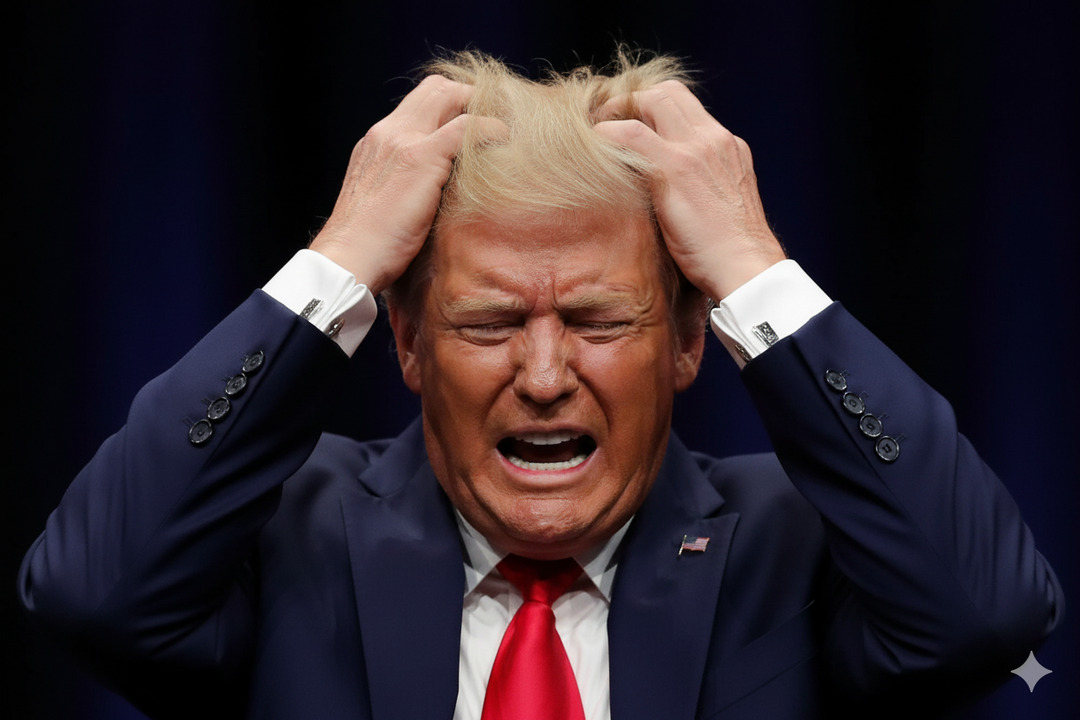
OSLO, NORWAY—Norway is on high diplomatic alert, preparing for potential repercussions from the United States should President Donald Trump fail to win the 2025 Nobel Peace Prize, which is scheduled to be announced today. Despite the Norwegian Nobel Committee being an independent body, concerns are mounting in Oslo that a snub could provoke a political and economic backlash from the US President, who has publicly asserted his own deservingness of the award.
Low Odds Fuel Norwegian Anxiety
Most experts and observers regard a victory for President Trump as highly improbable, citing the committee's independent nature, the prize criteria, and the timeline. The recipient was reportedly decided on Monday, before the recent US-brokered Israel-Hamas ceasefire deal was finalized. The nomination deadline for the prize passed on January 31st, making the new ceasefire irrelevant to this year's decision.
"The Nobel Committee is an independent body and the Norwegian government has no involvement in determining the prizes. But I'm not sure Trump knows that," stated Kirsti Bergstø, leader of Norway's Socialist Left Party. "We have to be prepared for anything he might do."
This anxiety stems from the US President's unpredictable diplomatic style and his repeated public lobbying for the award. Columnist Harald Stanghelle speculated that a failure to win could prompt Trump to retaliate against Norway by imposing punitive tariffs, demanding higher NATO contributions, or even labeling the country an adversary. Norway, a crucial NATO ally, is currently engaged in sensitive trade negotiations with the US and has a significant portion of its $2 trillion sovereign wealth fund invested in American markets, making it vulnerable to economic pressure.
A Clash of Ideals and Timing
Norwegian politicians are emphasizing that the Nobel Peace Prize is not a matter of political bargaining. Arild Hermstad, leader of the Green Party, stressed, "Peace prizes are earned through sustained commitment, not through social media tantrums and not from intimidation." He acknowledged the recent Israel-Hamas truce as a welcome step, but maintained that "one late contribution does not erase years of enabling violence and division."
Indeed, many analysts point to Trump’s previous policies—such as withdrawing the US from international agreements, challenging the independence of global institutions like the International Criminal Court, and his administration's domestic crackdowns—as fundamentally incompatible with the Nobel Prize's core mission of advancing fellowship among nations.
President Trump, however, has been less than subtle about his expectations. Just two days before the announcement, he remarked that the Nobel Committee would likely "find some reason" not to give him the award, despite his claims of having "settled seven wars" and being ready to resolve an eighth.
The Frontrunners
With a Trump victory largely dismissed by those familiar with the Nobel process, attention has shifted to other leading candidates. Experts' shortlists tend to favor groups that demonstrate sustained, multilateral efforts for peace and justice, or those upholding human rights and press freedom.
Potential 2025 laureates reportedly include:
Sudan's Emergency Response Rooms (ERRs): For their critical work in providing aid and organizing community resilience amidst the devastating conflict in Sudan.
The International Criminal Court (ICC): To underscore the importance of global justice and the rule of law, both of which have faced challenges from major world powers.
The Committee to Protect Journalists (CPJ): Recognizing their vital role in defending press freedom, especially at a time when journalists are increasingly targeted in conflict zones like Gaza.
The choice of one of these candidates, particularly the ICC or CPJ—organizations with whom Trump has had public disagreements—could be interpreted as a deliberate reaffirmation of the multilateral global order that the US President has often sought to undermine, further escalating the potential for diplomatic friction. The world awaits the announcement, but in Oslo, the anticipation is tinged with a distinct diplomatic nervousness.
[Copyright (c) Global Economic Times. All Rights Reserved.]