![[등록] 2026-09-01 15:48:31](/support/_updata/banner2/tl181982910_6749.png)


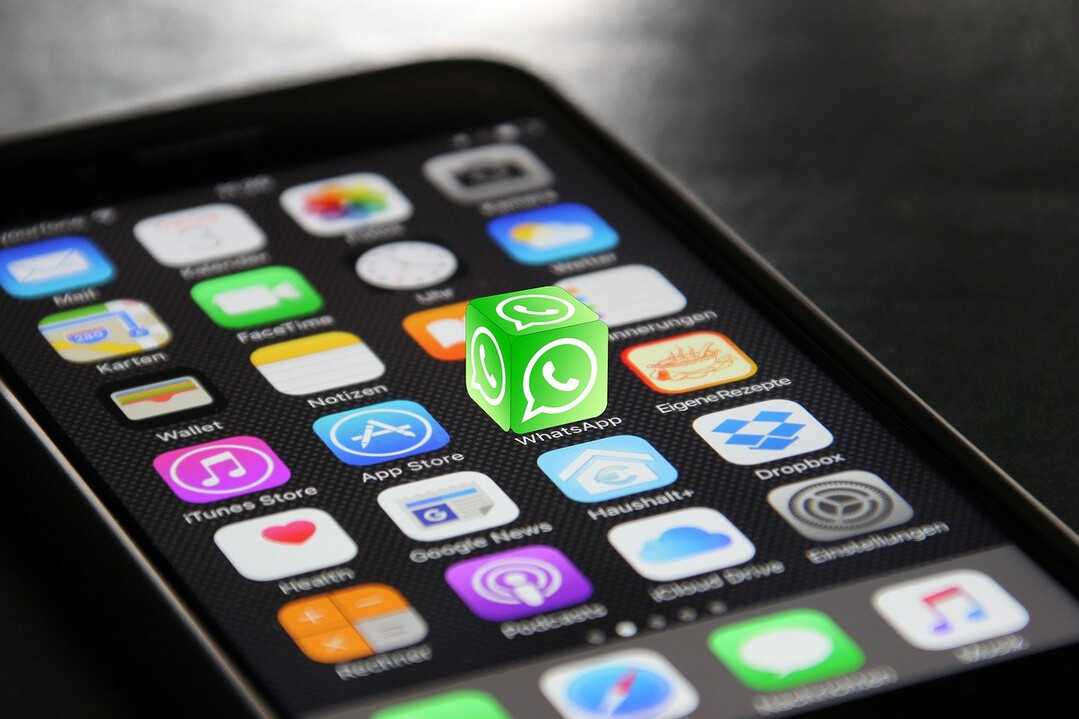
(C) Pixabay
SEOUL – For Kim Sang-jin (pseudonym), a 21-year-old university student in Seoul, the dream of becoming a diplomat was put on hold this past July. Just two days before his scheduled departure for a student exchange program in the United States, he received a sudden notice: his J-1 visa had been denied.
The embassy provided no specific reason. Kim suspects the culprit might be a tagged photo on his profile—not even his own post—showing an image of U.S. President Donald Trump from a university club account. “I was told during the interview that my visa was subject to additional administrative processing, including a review of my social media,” Kim said. “Now, I’m afraid to even reapply, fearing a second rejection will permanently blackball me from entering the U.S.”
The Expansion of Digital Vigilance
Kim’s case is no longer an outlier. As the United States tightens its "digital borders," a wave of "self-censorship" is sweeping through South Korean students, travelers, and expatriates. The anxiety has intensified following the U.S. State Department’s recent announcement that even applicants for the Electronic System for Travel Authorization (ESTA)—the visa-waiver program for short-term visits—must now submit five years of social media history and biometric data.
The move follows high-profile incidents, such as the revocation of visas for six foreigners who allegedly made "inappropriate comments" on social media regarding the assassination of conservative activist Charlie Kirk in September.
The Rise of "Digital Laundries"
This heightened scrutiny has birthed a lucrative niche market: "Digital Laundries." These professional services, which once primarily helped victims of revenge porn, are now seeing a 40% surge in inquiries from ordinary citizens preparing for U.S. visas.
"We receive steady requests from students and corporate assignees who are desperate to scrub their online past," said Choi Tae-woon, CEO of 'Sarajim Company,' a digital deletion agency. Despite fees ranging from 1 million to 2 million KRW ($750–$1,500), the demand remains high. Recently, an Ivy League-bound student paid for the urgent removal of past posts criticizing the U.S.-ROK-Japan alliance and calling for the withdrawal of U.S. forces from Korea.
Privacy vs. National Security
The policy has ignited a fierce debate over the erosion of privacy and freedom of expression. Many travelers feel that being forced to switch private accounts to "public" for government inspection is a violation of their personal lives.
"It feels like being treated as a potential criminal," said Lee Je-a, 21, who had to open her private accounts to scrutiny. "Even my secondary accounts used for hobbies like animation had to be submitted. It’s unsettling that a foreign government is peering into my daily tastes and lifestyle."
Experts remain divided on the efficacy and ethics of such measures. Shin Yul, a professor of Political Science at Myongji University, argues that this practice suppresses the fundamental freedom of speech in the private sphere. "Assuming an individual is a threat simply because they are critical of U.S. policy is a logical leap that undermines democratic tolerance," Shin noted.
Conversely, some argue that from a national security standpoint, the policy works. Cho Jin-man, a professor at Duksung Women’s University, pointed out a case where a man in his 40s was barred from entry after a scrubbed post—in which he joked about hiring a hitman for the President—was still flagged by U.S. authorities. "While effective for security, there is a risk of sliding into 'exclusive democracy' if legitimate policy criticism is treated as anti-state or criminal behavior," Cho warned.
A Global Trend
The U.S. is not alone in raising digital barriers. Travelers to China have reported intensified phone inspections and deep-dive interviews under the 2023 Counter-Espionage Law. Similar measures are reportedly expanding in countries like Israel, signaling a global shift toward using personal digital footprints as a primary tool for border control.
As the "digital border" grows higher, the burden of proof is shifting onto the individual. For many South Koreans, the price of a plane ticket to the U.S. now includes more than just a fare; it requires a pristine, sanitized digital past.
[Copyright (c) Global Economic Times. All Rights Reserved.]