As global automotive markets accelerate toward full electrification, liquefied petroleum gas (LPG) is staging a surprising comeback. Industry experts note that LPG is emerging as a reliable, cost-effective transition fuel, reinforced by robust supply chains and technological advancements that blend traditional internal combustion with electric drive systems.
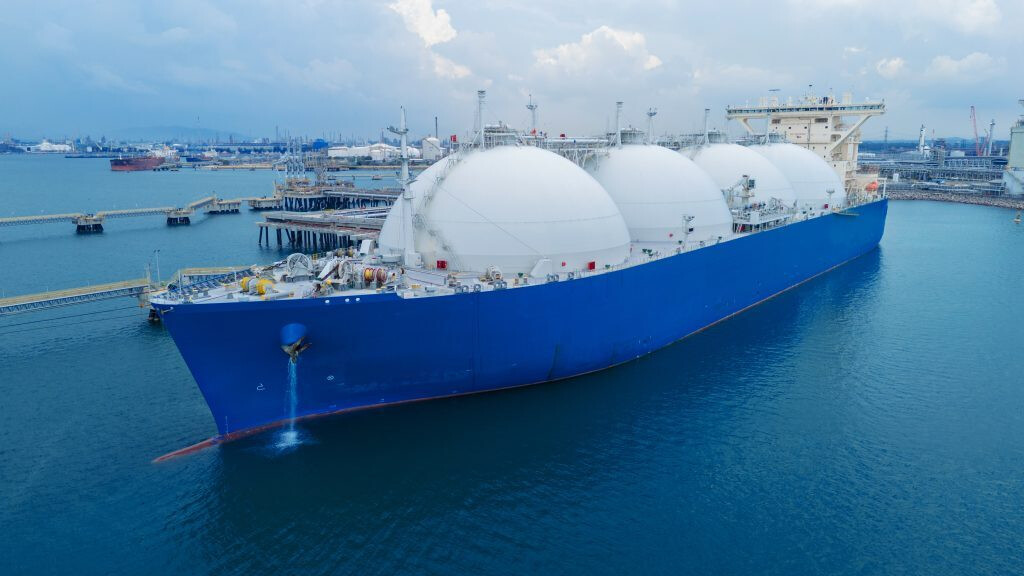
During a recent future mobility forum hosted by the Korea Academy of Automotive Technology, Energy Economics Institute (EEI) researcher Kim Tae-sik highlighted how geopolitical shifts have reshaped South Korea's LPG sourcing. Once heavily reliant on Middle Eastern imports—which accounted for roughly 80% of the market in the mid-2000s—the country has successfully diversified. By 2025, U.S. shale gas exports skyrocketed to represent 88% of domestic imports, while Middle Eastern supplies dropped to just 8%. This North American pipeline proved critical during recent Middle Eastern shipping disruptions, bypassing vulnerable choke points like the Strait of Hormuz to stabilize local household and transport energy supplies.
While heavy dependence on U.S. imports introduces new variables—such as Panama Canal transit restrictions and fluctuating freight expenses—LPG's core appeal lies in its economic cushion. Throughout recent energy spikes, consumer butane prices rose far more modestly than gasoline or diesel, aided by government tax adjustments and proactive supply price management.
Domestically, LPG consumption patterns have shifted. While petrochemical applications now command the lion's share of total demand (reaching 54% by 2025), transportation demand has stabilized rather than declined. The late-2023 rollout of 1-ton LPG commercial trucks injected fresh momentum into the market, keeping transportation-related consumption on an upward trajectory.
Experts project that while South Korea's ambitious 2035 carbon-reduction targets—aiming for 70% zero-emission new vehicle sales—will eventually cap long-term growth, supportive government policies and steady commercial fleet demand will keep transportation LPG viable well into the early 2030s. Without continued tax incentives and infrastructure support, however, passenger vehicle demand and fueling stations could face rapid contraction.
On the manufacturing front, automotive innovators are actively modernizing LPG platforms. Hyundai Motor R&D senior researcher Lim Hyuk shared cutting-edge developments at the forum, spotlighting the transition from legacy liquid injection systems to advanced direct-injection (T-LPDI) engines. Originally deployed in light commercial models like the Porter 2 and Bongo 3 to replace diesel, T-LPDI directly injects liquid LPG to overcome historical torque limitations and meet stringent emissions standards.
Looking ahead, Hyundai is pushing the technology into medium-sized commercial vehicles via an Extended Range Electric Vehicle (EREV) architecture. By pairing a T-LPDI engine solely for onboard power generation with an electric drive motor, commercial vehicles can leverage regenerative braking and electric efficiency while retaining LPG's cost advantage. According to projections, this T-LPDI EREV configuration slashes CO₂ emissions by 25% compared to conventional diesel trucks and could yield fuel cost savings of roughly 71 million won over a 500,000-kilometer lifespan.
[Copyright (c) Global Economic Times. All Rights Reserved.]