![[등록] 2026-09-01 15:48:31](/support/_updata/banner2/tl181982910_6749.png)


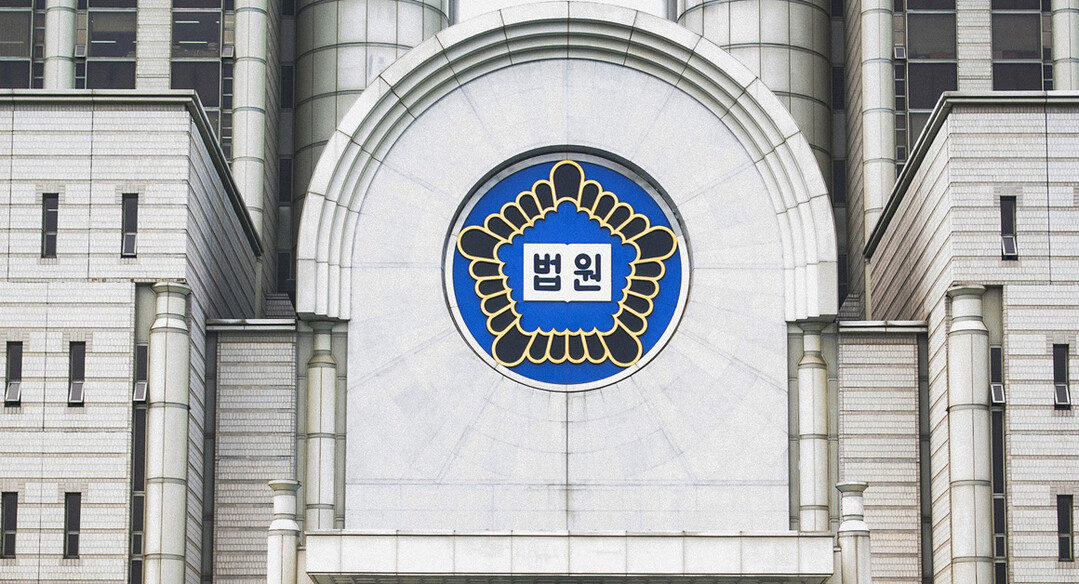
SEOUL, South Korea—The Supreme Court of Korea has delivered a significant ruling, asserting that even when tax authorities have mistakenly collected taxes, taxpayers cannot immediately seek a refund through an unjust enrichment lawsuit. The court emphasized that the validity of the tax levy must first be challenged through administrative litigation to determine if the collection disposition suffers from a grave and clear defect that would render it null and void.
The Heart of the Case: Unjust Enrichment vs. Administrative Challenge
The ruling stems from a request for the return of unjustly enriched funds filed by the Korea Development Bank (KDB) against the State (National Tax Service) and various local governments. The case centered on taxes levied on interest income from certain bank accounts that were later identified as fictitious-name accounts (차명계좌, chamyeonggyejwa) following a joint investigation by the prosecution and the National Tax Service.
Initially, the National Tax Service had demanded additional payment of outstanding taxes and local income taxes on the interest income from these accounts. This demand was based on applying the high non-real-name withholding tax rate of 90%.
KDB complied with the tax notice and paid the amount. However, the bank subsequently argued that the accounts were not non-real-name assets but merely "simple fictitious-name accounts" (accounts opened with real names but where the account holder and the actual fund contributor differ). Based on this classification, the KDB bypasses administrative appeal procedures and filed a civil lawsuit directly, seeking the return of the taxes as an unjust enrichment.
Lower Court's Rationale and the Supreme Court's Reversal
The lower court had initially ruled in favor of the KDB, holding that since the income was not subject to the high withholding tax rate, no tax liability had properly been established or finalized. Consequently, the court found the tax disposition to be “naturally null and void” and the government’s collection to be an unjust enrichment lacking legal basis.
However, the Supreme Court First Division (presiding Justice Seo Kyeong-hwan) overturned the original judgment and remanded the case back to the Seoul Central District Court.
The highest court clarified that a tax disposition is not automatically void simply because the tax assessment was incorrect. The bench stated, "In case of a challenge to a tax disposition, unless the defect in the amount of tax set by the tax authority is so grave and clear as to amount to an outright nullification, one should not immediately file a civil lawsuit seeking the return of unjust enrichment. Instead, one must seek relief by filing a preliminary appeal and administrative litigation against the collection disposition."
The Principle of Tax Legal Stability
This landmark ruling reinforces a crucial principle in Korean tax law: the presumption of validity for official government administrative acts, including tax dispositions. To maintain legal stability and ensure the smooth execution of national taxation, administrative actions remain effective unless and until they are formally invalidated through the designated legal procedures—the administrative appeals process and administrative court system.
In essence, the Supreme Court has drawn a clear procedural line: an improperly assessed tax is an illegal act that requires formal nullification through administrative law. It is not an automatically void act that allows immediate recourse through private law remedies like unjust enrichment lawsuits.
This judgment establishes a strict requirement for taxpayers: before demanding a refund, they must successfully navigate the administrative court system to establish that the tax authority's original collection act was not just erroneous, but carried a defect so "grave and clear" that the disposition itself was non-existent from the start (null and void).
Impact on Future Tax Disputes
The ruling significantly impacts how taxpayers and corporations will approach future disputes over incorrect tax levies. It confirms that the path to reclaiming taxes is primarily administrative and public law-based, discouraging the direct use of civil lawsuits as an end-run around the established tax appeal procedures. Taxpayers will now be required to demonstrate a higher degree of flaw in the original disposition, ensuring that only the most fundamentally flawed tax collection actions can bypass the comprehensive administrative appeal system.
[Copyright (c) Global Economic Times. All Rights Reserved.]