![[등록] 2026-09-01 15:48:31](/support/_updata/banner2/tl181982910_6749.png)


(C) SBS
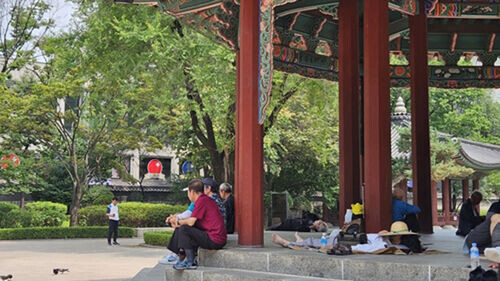
The Jongno-gu district in Seoul has announced significant measures to restore the historical integrity and public safety of Tapgol Park. Effective from April 1 of the coming year, the park will officially become a designated dry zone (금주구역, alcohol-free zone), with violators facing a hefty fine. This action coincides with major plans to improve the protective enclosure for the park's centerpiece, the Wongaksa Pagoda (National Treasure No. 2).
Alcohol Ban Enforcement and Fines
On December 1, Jongno-gu revealed its decision to enforce a strict alcohol ban within and around Tapgol Park. The district had previously designated the area as its first official dry zone on November 20. The current period, from now until March 31 of next year, serves as a grace and public awareness period.
Starting on April 1, 2026, individuals caught consuming alcohol will be subject to a fine of 100,000 Korean won (approximately $77 USD). The prohibition extends beyond merely drinking, encompassing the act of possessing an open alcoholic beverage or transferring alcohol to a different container for consumption within the park boundaries.
This move is a direct response to longstanding issues concerning public disorder, littering, and general degradation of the park environment, often associated with alcohol consumption. The goal is to elevate the park's status from a site of casual loitering to a dignified, open space accessible and enjoyable for all citizens, befitting its historical significance.
Preservation Efforts for the Wongaksa Pagoda
Parallel to the public safety measures, the district is initiating a major project to enhance the preservation of the Ten-story Stone Pagoda of Wongaksa Temple Site. Erected in 1467 during the Joseon Dynasty, the pagoda was designated as a National Treasure in 1962.
The existing protective pavilion, installed in 1999, has been deemed inadequate. Concerns include:
Internal Environmental Issues: Excessive condensation(결로) and poor ventilation, which can accelerate the stone's degradation.
Aesthetic and Viewing Concerns: Unwanted reflections from the structure and a lack of harmony with the surrounding scenery.
Jongno-gu held a preliminary design service commencement report meeting on November 26 to kickstart the improvement plans. Based on 100 million won in secured funding (70 million won from the national budget, 30 million won from the Seoul metropolitan budget), the design phase will explore at least four different alternatives. These options range from the complete demolition and rebuilding of the enclosure to various improvement designs and even potential relocation of the pagoda itself to ensure its long-term preservation.
A final report is scheduled for February of next year, with the basic design to be confirmed in March. The plan will then undergo deliberation by the National Heritage Administration Committee to secure further national funding for the full-scale construction.
Comprehensive Park Overhaul
The alcohol ban and pagoda protection are part of a broader, comprehensive renovation plan for Tapgol Park. Future projects include:
Relocation and Restoration of the West Gate.
Maintenance and restoration of the park's surrounding walls.
Construction of a History Memorial Hall.
Expansion of landscaping and public amenities.
"Tapgol Park is a symbolic space where the Korean Declaration of Independence was read, announcing the nation's will for sovereignty to the entire world," stated Jongno-gu Mayor Jeong Mun-heon. "By strengthening the management of the alcohol- and smoke-free zones, and drastically improving the preservation and viewing environment for the National Treasure, we aim to transform this space into an open area that all citizens can visit comfortably."
These actions reflect the local government's commitment to protecting the nation's cultural heritage while simultaneously reclaiming a vital public space for the community. The strict enforcement of the alcohol ban will mark a significant shift in the park's public image and daily use.
[Copyright (c) Global Economic Times. All Rights Reserved.]