![[등록] 2026-09-01 15:48:31](/support/_updata/banner2/tl181982910_6749.png)


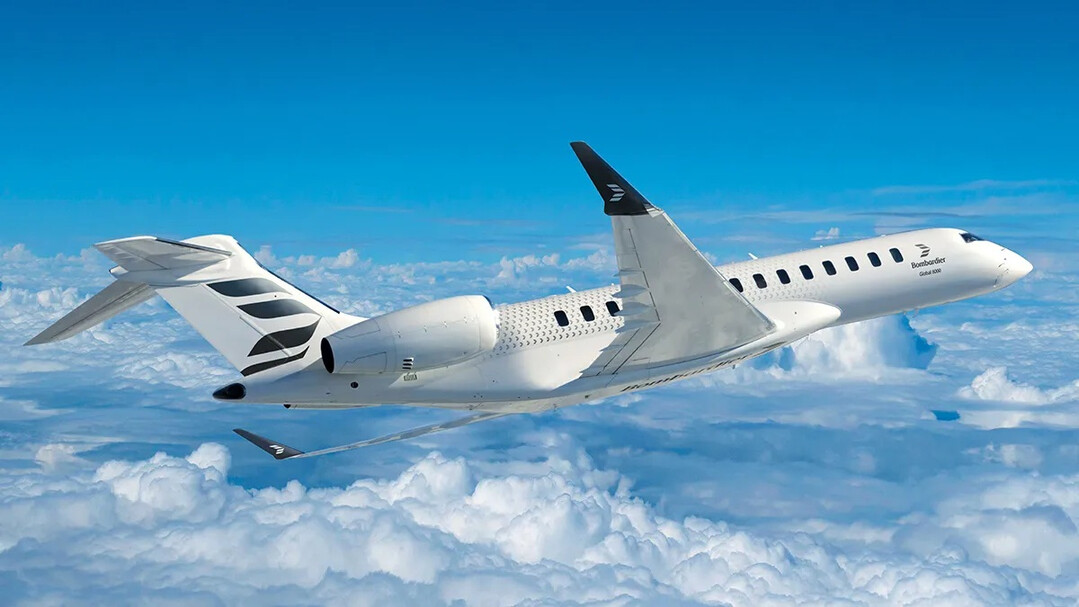
(C) Robb Report
The era of slow long-haul travel is facing a formidable challenger. Canadian aerospace giant Bombardier has officially entered a new chapter in aviation history by delivering the first Global 8000 to its launch customer. Flying at the "edge of sound," this business jet is now the fastest civil aircraft in operation since the retirement of the Concorde in 2003.
Breaking Speed Records
The Global 8000 boasts a top speed of Mach 0.95 (approximately 1,162 km/h). To put this in perspective:
Commercial Liners: It outperforms the Boeing 747-8i (Mach 0.86).
Direct Rivals: It edges out the Gulfstream G700 (Mach 0.935).
Historical Context: While it doesn't reach the supersonic heights of the Concorde (Mach 2.04), it is the quickest way to traverse the globe in the current market.
Engineering the "Smooth Flex"
The aircraft’s performance is driven by two custom-designed GE Passport engines, which balance high thrust with modern fuel efficiency. However, the true secret lies in the Smooth Flex Wing technology. Built from advanced carbon-fiber composites, these wings are designed to bend and adapt to high-speed turbulence, ensuring a smooth ride for the 19 passengers on board even as the jet approaches the sound barrier.
Beyond Speed: Range and Luxury
Speed isn't the only selling point. With an industry-leading range of 8,000 nautical miles (14,800 km), the Global 8000 can connect city pairs like London to Perth or Singapore to Los Angeles non-stop. Inside, the cabin features the lowest pressure altitude in its class, reducing the effects of jet lag and fatigue.
The Future of the Supersonic Race
While Bombardier currently holds the crown, the race for the skies is heating up. Boom Supersonic is currently developing "Overture," a commercial airliner aimed at hitting Mach 1.7 by 2029. Additionally, NASA’s X-59 project is working to solve the "sonic boom" problem to allow supersonic flight over land.
For now, however, the Global 8000 stands alone as the definitive benchmark for speed, range, and luxury in 21st-century civil aviation.
[Copyright (c) Global Economic Times. All Rights Reserved.]