![[등록] 2026-09-01 15:48:31](/support/_updata/banner2/tl181982910_6749.png)


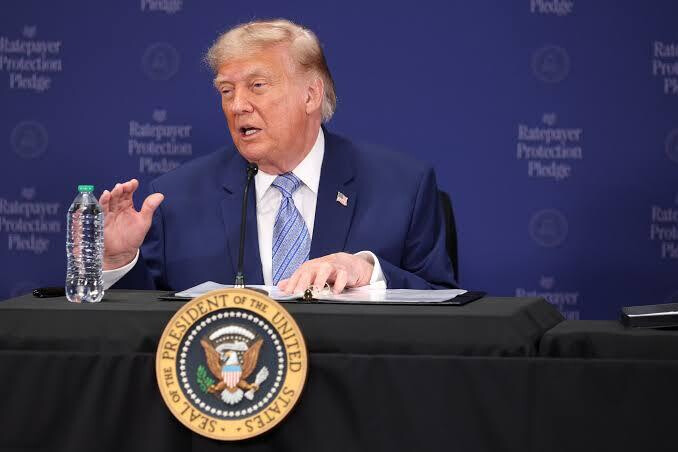
WASHINGTON / SEOUL — The Donald Trump administration on Thursday (July 23, local time) finalized additional tariffs ranging from 10% to 12.5% on 60 countries under Section 301 of the Trade Act of 1974. The duties target imports produced under conditions the U.S. classifies as involving forced labor and structural market distortions. South Korea, alongside Japan, has been designated under the highest tier, facing an effective tariff rate of 12.5% on affected trade streams.
The Office of the United States Trade Representative (USTR) announced the final rule following a public comment and stakeholder review process that began early last month. USTR officials maintained that the influx of foreign goods manufactured using forced labor or subsidized through structural industrial overcapacity inflicts direct material injury on domestic American industries and undermines U.S. worker wage standards.
Section 301 empowers the executive branch to investigate foreign governmental trade practices deemed unreasonable, discriminatory, or burdensome to U.S. commerce, granting broad authority to levy retaliatory import surcharges.
Key Highlights & Policy Metrics
Legal Authority: Section 301 of the U.S. Trade Act of 1974 (Unfair Foreign Trade Practices).
Tariff Scope: Additional 10% to 12.5% duties applied across 60 trading partner nations.
Korea & Japan Status: Subject to the maximum 12.5% tariff rate.
Effective Date: July 24, 2026 (00:00 EST), coinciding with the expiration of Section 122 tariffs.
Core Allegations: Structural industrial overcapacity and supply chain reliance on forced labor practices.
Regulatory Chronology: Transitioning After Judicial Rulings
This regulatory action represents the latest phase in a broader restructuring of U.S. trade enforcement following significant judicial intervention earlier this year:
February 2026 — Supreme Court Ruling: The U.S. Supreme Court struck down the administration’s broader reciprocal tariff framework previously executed under the International Emergency Economic Powers Act (IEEPA), ruling that emergency powers did not confer statutory authority for general import surcharges during non-war declarations.
March 2026 — Dual USTR Investigations: In response, USTR launched formal Section 301 investigations into global structural overcapacity and forced labor supply chain connections. South Korea was named in both investigative tracks.
March–July 2026 — Temporary Section 122 Surcharges: To maintain trade protection while Section 301 probes progressed, the administration instituted a temporary 10% global tariff under Section 122 (balance-of-payments authority), which carries a statutory maximum duration of 150 days.
June 2026 — Proposed Schedule: USTR previewed the nation-specific tariff structure (10%–12.5%) for 60 target nations and collected formal public comments.
July 24, 2026 — Implementation: As Section 122 tariffs expire at midnight on July 24, the newly finalized Section 301 tariffs take effect immediately, creating a permanent policy replacement.
Strategic & Economic Implications for South Korea
South Korea’s inclusion in both the structural overcapacity and forced labor investigations—and its placement in the upper 12.5% tariff tier alongside Japan—poses immediate operational challenges for Korean manufacturing sectors exporting to the United States. Key industries under review include automotive components, secondary batteries, semiconductors, solar modules, and steel products.
Trade policy experts note that the USTR’s explicit focus on forced labor creates a heightened compliance burden for multinational firms. Under these rules, companies must conduct rigorous supply chain tracing to ensure raw materials and processed sub-components sourced across East Asian supplier networks meet stringent U.S. import verification standards.
Economic officials in Seoul and Tokyo are currently reviewing mitigation strategies, industry support programs, and bilateral consultation avenues to navigate the new trade parameters.
[Copyright (c) Global Economic Times. All Rights Reserved.]