![[등록] 2026-09-01 15:48:31](/support/_updata/banner2/tl181982910_6749.png)


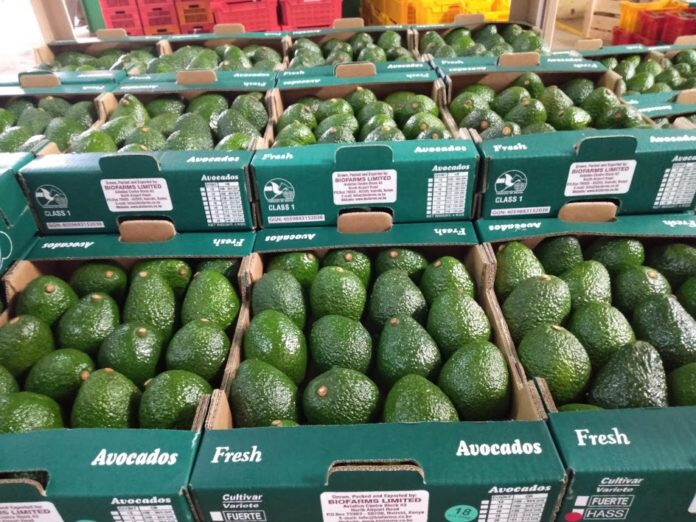
Australian avocado exporters stand on the cusp of accessing the lucrative Chinese market, buoyed by improving trade relations between the two nations. After a ten-year period of anticipation, the popular fruit is nearing inclusion in Beijing's import negotiation pipeline. This development hinges on Canberra prioritizing avocados in its upcoming trade agenda. Simultaneously, Australian industry stakeholders have actively engaged in technical collaboration within China's burgeoning domestic avocado sector.
Initial priorities for market access negotiations will see Canberra focus on securing entry for Australian apples and blueberries, while Beijing aims to introduce Chinese jujube and kiwi fruits to the Australian market. The Australian Department of Agriculture, Fisheries and Forestry had initially indicated to domestic producers that apple negotiations were anticipated to conclude by the first quarter of the year.
However, this timeline has been revised, with completion now expected within the coming months, according to John Tyas, CEO of Avocados Australia. Tyas shared this update with the Post on the sidelines of the inaugural 2025 China-Australia Avocado Symposium held in Xishuangbanna, Yunnan province, on Wednesday.
"Avocados could be announced as the next priority in the next few months. That’s very positive for us," Tyas stated, highlighting the optimistic outlook for the industry.
Avocados Australia, the peak industry body representing Australian avocado growers, has diligently lobbied for access to the Chinese market since 2013, navigating the often protracted and unpredictable nature of international trade negotiations.
Richard Magney, Avocados Australia’s chief of export, underscored the dual objectives of the industry: "The ultimate goal is to export Australian avocados to China, but we are also committed to a long-term cooperation plan with China that spans decades." This commitment includes deep market engagement through technology sharing, market education initiatives, and fostering category growth within China.
The thawing of trade tensions between China and Australia has already yielded positive results for other sectors. Since the first half of 2024, China has lifted punitive import tariffs on Australian wine and removed restrictions on lobster and red meat, signaling a broader improvement in bilateral trade.
Despite the avocado industry still awaiting formal inclusion in the negotiation pipeline, Australian producers have proactively engaged with the expanding Chinese market for the nutrient-rich fruit.
Lu Kun, a director from the China Chamber of Commerce of Import & Export of Foodstuffs, Native Produce & Animal By-Products, acknowledged this proactive engagement, stating, "[Australian producers] have been very patient and supportive in participating in the Chinese market, including sharing technology and promoting the fruit."
A significant example of this collaboration is Anderson Horticulture, Australia’s largest avocado nursery, which established a joint venture in Kunming in 2021. This initiative aims to introduce Australian avocado plant varieties to China and provide crucial training and expertise to local growers.
Richard Magney further elaborated on the long-term vision: "With more than 50 years of experience in domestic avocado farming, Australian producers could help China’s industry overcome challenges to farming the popular fruit." Representatives from Avocados Australia have made multiple visits to mainland China and showcased Australian avocados at the China International Import Expo in Shanghai in the previous year, actively building relationships and market awareness.
These efforts have resulted in the signing of several memorandums of understanding (MOUs) with local partners, including securing pre-orders valued at A$300 million (US$185.5 million) with Shanghai Huizhan International Trade. This substantial deal is poised to proceed as soon as the General Administration of Customs China grants formal market access to Australian avocados.
Avocados Australia holds a positive outlook on the Chinese market's capacity, believing it to be sufficiently large to accommodate both domestic Chinese production and imports from overseas suppliers.
Driven by China’s increasingly health-conscious middle class, avocado imports have witnessed a dramatic surge over the past decade, escalating from negligible quantities to nearly 60,000 tonnes in 2024. The peak import volume reached over 65,581 tonnes in 2023, according to Chinese customs data. Currently, the majority of China’s avocado imports originate from South American countries, including Peru, Chile, and Mexico.
Mexico, the world’s leading avocado producer and exporter, primarily directs its exports to the United States, where the fruit benefits from tariff exemptions. However, any potential disruption to this preferential status could compel Mexican suppliers to actively seek alternative markets, particularly in Asia, which is already a significant export destination for Australian producers.
"Anything that interrupts their state of play is a concern," commented John Tyas, acknowledging the potential impact of changes in the global avocado trade landscape.
Domestically, avocado cultivation in China is concentrated in the southern provinces of Yunnan and Guangxi Zhuang autonomous region, as well as the island province of Hainan. However, this nascent industry currently operates at relatively low output levels, highlighting the potential for imported avocados to meet the growing domestic demand. The expertise and established supply chains of Australian avocado exporters position them favorably to capitalize on this expanding market once access is granted.
[Copyright (c) Global Economic Times. All Rights Reserved.]