![[등록] 2026-09-01 15:48:31](/support/_updata/banner2/tl181982910_6749.png)


SEOUL — South Korea’s hypermarket industry is facing an unprecedented crisis. According to the latest data from the National Data Agency, the retail sales index for hypermarkets in November 2025 plummeted by 14.1% month-on-month to 83.0. This marks the sharpest decline in approximately 13 years, rivaling the drop seen in 2012 when mandatory bi-monthly closures were first introduced.
While a "base effect" following major Chuseok holiday promotions in October played a short-term role, experts point to a more profound "structural decline." The primary driver is the rapid shift in consumer behavior toward online platforms. Online shopping transactions hit a record high of over 24 trillion KRW in November, with food and beverage sales—the traditional stronghold of hypermarkets—surging by 10.1%.
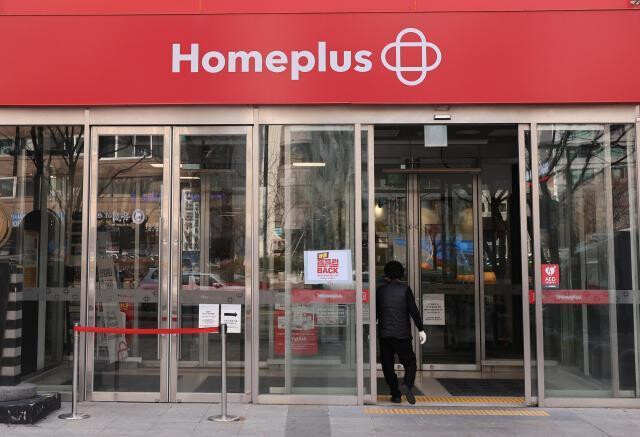
The situation has been further exacerbated by the mass closure of Homeplus stores. Homeplus, currently undergoing corporate restructuring, has recently shuttered key locations such as Gayang and Ilsan, with more closures scheduled for early this year. These shutdowns have created a ripple effect, causing significant financial strain on small and medium-sized tenants and suppliers within these malls.
"The combination of the digital transition in grocery shopping and the physical reduction of store footprints has led to this record drop," an official stated. As traditional retail giants struggle to maintain their relevance, the industry is at a crossroads, forced to undergo a painful transformation to survive in an increasingly digital-centric economy.
[Copyright (c) Global Economic Times. All Rights Reserved.]