![[등록] 2026-09-01 15:48:31](/support/_updata/banner2/tl181982910_6749.png)


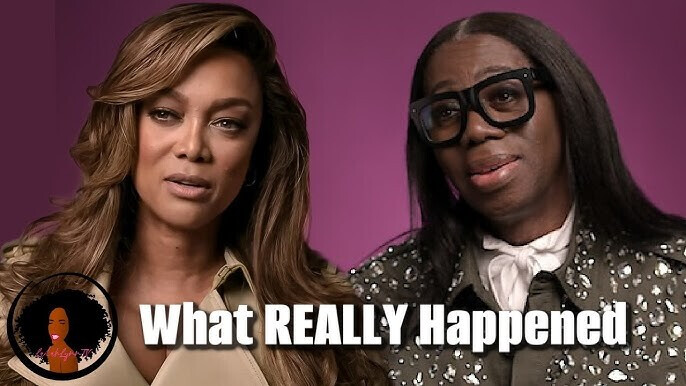
SAN FRANCISCO — Tyra Banks, the iconic supermodel turned television mogul, has filed a high-profile defamation lawsuit against streaming giant Netflix, accusing the platform of "malicious editing" that severely damaged her reputation and falsely portrayed her as callous toward sexual assault survivors.
The lawsuit, filed in a U.S. court, takes direct aim at the recently released Netflix documentary Reality Check: The Hidden Face of America’s Next Top Model. The investigative docuseries purports to expose the behind-the-scenes controversies of Banks’ hit reality competition show, America’s Next Top Model (ANTM), which dominated global television for over a decade.
According to reports by U.S. entertainment outlets Variety and NBC News on June 13 (local time), Banks’ legal team asserts that the documentary's producers deployed deceptive post-production tactics to twist historical facts. Specifically, the lawsuit alleges that Netflix framed Banks as an unfeeling executive who actively ignored a contestant's experience of sexual assault to boost television ratings.
The Anatomy of the "Fabrication"
The crux of the legal complaint centers on a specific, highly dramatic sequence in the documentary. During an on-camera interview, a producer asks Banks if she remembers a particular contestant who came forward with an allegation of sexual misconduct during her time on ANTM.
In the aired version, Banks is shown staring blankly into space, uttering an ambiguous "Um...", before the screen abruptly cuts to black. The editorial choice strongly implied to millions of viewers that Banks either could not remember the traumatic incident or was entirely indifferent to the victim's plight.
However, Banks’ legal team claims that the unedited raw footage tells a completely different story. According to the complaint, the raw tapes reveal that Banks immediately and clearly answered, "Yes, I remember that contestant’s story."
Furthermore, Banks’ representatives clarified her historical stance on the matter: while Banks was fully aware of the contestant's personal hardships and the narrative shared on the show at the time, she was never informed that the individual characterized the experience as a sexual assault. The lawsuit brands the final cut broadcasted by Netflix as a "complete fabrication" designed to manufacture outrage.
"Netflix deliberately weaponized deceptive editing to distort the truth, broadcasting a manufactured lie to millions of viewers worldwide purely for sensationalism." — Excerpt from Banks' Legal Complaint
A 3.5-Hour Interview Reduced to Minutes
The lawsuit also highlights what it describes as a predatory and bad-faith approach by the documentary's production team. Banks reportedly sat down with the filmmakers for an extensive, three-and-a-half-hour interview, expecting a balanced retrospective of her career and the cultural impact of her show.
Instead, her legal team points out that only 16 minutes of that exhaustive interview made it into the final broadcast. The complaint argues that the vast majority of her context, explanations, and defenses were deliberately left on the cutting room floor to maintain a highly damaging, preconceived narrative against her.
In response to the alleged character assassination, Banks is seeking substantial punitive damages and has requested a trial by jury to restore her name. When pressed for a statement regarding the ongoing litigation, a spokesperson for Netflix declined to comment.
The Legacy of a Global Phenomenon
The legal battle marks a turbulent chapter for the legacy of America’s Next Top Model. Airing from 2003 to 2018, the reality show was a cultural juggernaut that revolutionized the fashion and television industries, spawning dozens of international formatting franchises worldwide—including the highly successful Korea's Next Top Model.
While the show was celebrated for its diversity and high-camp entertainment during its original run, it has faced retrospective scrutiny in recent years regarding the intense psychological pressure placed on its young contestants. However, industry analysts note that this lawsuit shifts the battleground from cultural critique to legal accountability, raising critical questions about the ethical boundaries of documentary editing in the streaming era.
[Copyright (c) Global Economic Times. All Rights Reserved.]