![[등록] 2026-09-01 15:48:31](/support/_updata/banner2/tl181982910_6749.png)


(C) Visit Korea
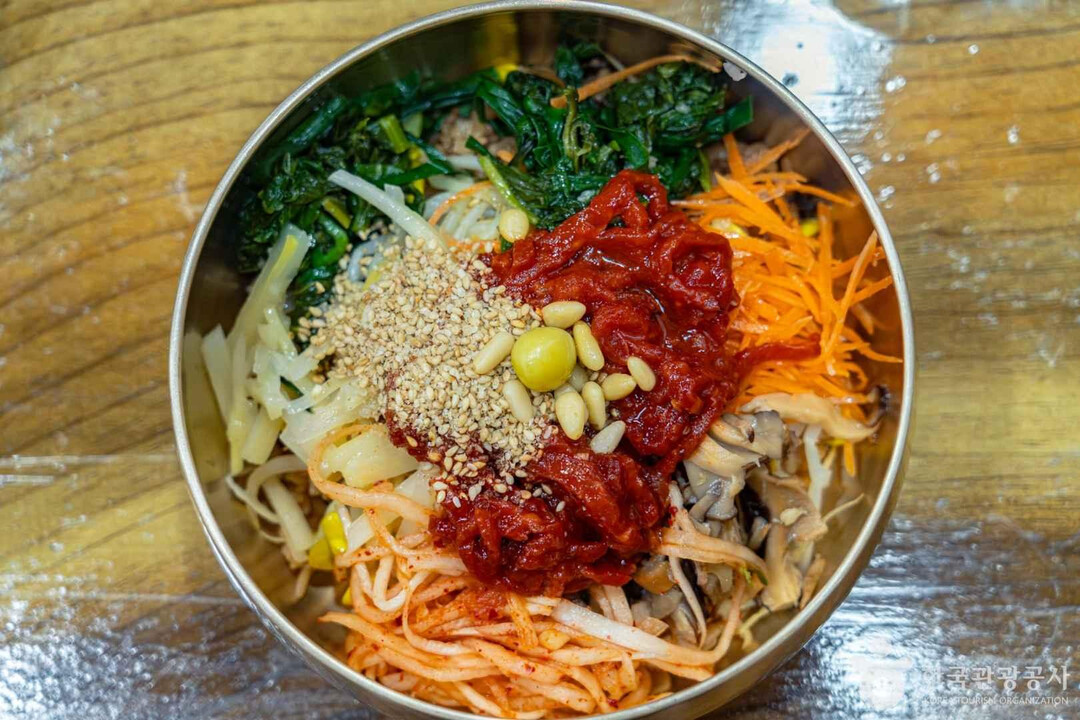
SEOUL – The South Korean Ministry of Agriculture, Food and Rural Affairs (MAFRA) announced today the expansion of its prestigious Traditional Food Quality Certification program, adding four new items to the list of nationally recognized traditional foods. The new additions are Galbitang (short rib soup), Bibimbap (mixed rice with vegetables and meat), Mumallaengi-muchim (seasoned dried radish strips), and Swindari (a traditional fermented beverage from Jeju Island).
This move brings the total number of items eligible for the certification to 80, covering a broad spectrum of Korean culinary heritage, including staple categories like Jangnyu (fermented sauces) and Kimchi (fermented vegetables).
What is the Traditional Food Quality Certification?
The Traditional Food Quality Certification is a government-backed system designed to preserve and promote high-quality Korean traditional foods. To earn this mark, a product must strictly adhere to several criteria:
Domestic Ingredients: The primary ingredients must be 100% domestically sourced (Korean-grown).
Traditional Methods: The food must be manufactured and processed using traditional methods.
Authentic Flavor: The final product must possess the distinct, inherent taste, aroma, and color characteristic of its traditional form.
This certification serves as a guarantee of authenticity, quality, and origin, helping to differentiate authentic Korean products in both domestic and international markets.
The Importance of Certification in the Market
The certification is not merely a mark of honor; it also opens significant commercial avenues for certified producers. A key benefit is the ability to supply products to the national school meal system.
According to a survey conducted by MAFRA, the school meal system is the largest distribution channel for certified traditional food producers, accounting for 20.2% of their primary supply destinations. This is followed by large-scale retailers at 14.2%. The high percentage underscores the government's commitment to ensuring that younger generations are exposed to high-quality, domestically-sourced traditional foods.
Currently, 414 businesses across South Korea have successfully acquired the quality certification, demonstrating a robust and active sector dedicated to maintaining traditional food standards.
Spotlight on the New Items
The inclusion of Bibimbap and Galbitang, two highly popular and representative dishes of Korean cuisine, acknowledges their importance as staple prepared foods that are often consumed outside the home. By setting strict quality standards for these items, the government aims to elevate the quality of pre-packaged or mass-produced versions.
The addition of Swindari is particularly notable. Swindari is a traditional fermented drink unique to Jeju Island, historically made from leftover rice. While currently produced by only a small number of local businesses, MAFRA recognized the urgent necessity of protecting and inheriting this distinct regional heritage food, viewing its preservation as vital to the nation's culinary diversity.
The government believes that by expanding the list to include more prepared meals and unique regional specialties, the certification program will increase consumer confidence and stimulate both production and consumption of authentic traditional foods. The full list of certified traditional food items and their respective standard specifications are available on the National Agricultural Products Quality Management Service (NAQS) website.
[Copyright (c) Global Economic Times. All Rights Reserved.]