![[등록] 2026-09-01 15:48:31](/support/_updata/banner2/tl181982910_6749.png)


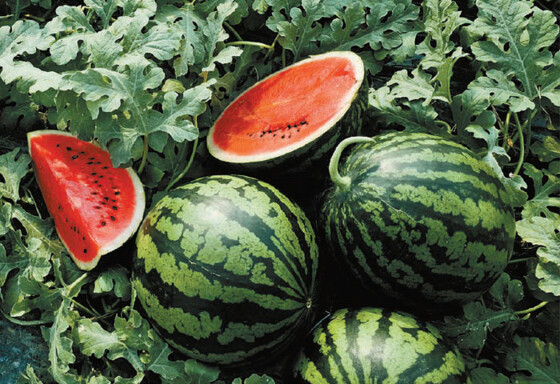
SEOUL — As the scorching summer heat begins to settle over the Korean Peninsula, supermarkets and local grocery stores are piling up rows of massive, dark-green watermelons. For most shoppers, a small sticker reading "11 Brix" or "Sweetness Level 11" has become the primary guide for selection. But what exactly does this number mean? Does a higher number guaranteed a flawless summer treat?
According to agricultural experts and recent culinary science, while a sweetness level of 11 Brix serves as a reliable green light for a tasty fruit, relying solely on a single metric can be misleading. The ultimate quality of a watermelon is a complex symphony of sugar content, flesh texture, moisture balance, and overall maturity.
Unlocking the Mystery of 'Brix'
To understand what you are buying, it is essential to look at the science of fruit sugar. The sweetness of a watermelon is typically measured in units called Brix (°Bx). Named after the 19th-century German scientist Adolf Brix, this scale quantifies the proportion of dissolved sugar solids in an aqueous solution.
In practical terms, a rating of 11 Brix means that there are approximately 11 grams of soluble sugars inside 100 grams of watermelon juice.
According to the Rural Development Administration (RDA), Brix is a vital parameter used in the official quality evaluation of domestic produce. However, the agency consistently emphasizes that the human perception of "deliciousness" cannot be reduced to a single chemical measurement. A fruit’s true flavor profile is determined by an intricate interplay of sweetness, acidity, aroma, and tissue texture.
When it comes to watermelons, consumer preferences generally align with specific Brix thresholds:
9 Brix or lower: The fruit tastes noticeably bland or watery.
10 Brix: A baseline level where a mild, pleasant sweetness is detected.
11 Brix: Widely evaluated as "sweet and satisfying" by the average consumer.
12 Brix or higher: Classified as premium, exceptionally high-sugar produce.
Yet, even two watermelons sharing an identical 11 Brix rating can taste vastly different to the palate. A premium watermelon is not merely "sugar water." If the interior flesh is overripe and mushy, or if the water distribution within the rind is uneven, the eating experience will be deeply disappointing despite a high sugar reading.
The National Institute of Horticultural and Herbal Science (NIHHS) underscores that harvest timing and cultivar-specific traits are paramount. Watermelons do not ripen significantly after being detached from the vine, meaning the exact moment of harvest dictates the peak texture and starch-to-sugar conversion.
Consumer Guide: Five Ways to Choose the Best Watermelon
With various factors influencing the final taste, how can an ordinary shopper navigate the grocery aisle successfully? Experts suggest looking for specific indicators that go beyond the sugar label.
1. Look for Tech-Driven Inspection Labels
Modern distribution centers utilize cutting-edge "non-destructive sweetness measurement" technologies. By shooting specific wavelengths of light through the fruit, sensors can calculate internal sugar density without damaging the rind. Shoppers should look for certifications on the sticker such as "Non-Destructive Sweetness Tested" or "High Sweetness Selection."
2. Evaluate Symmetry and Balance
A visually appealing watermelon often correlates with internal health. High-quality watermelons generally boast a well-balanced, symmetrical shape with a smooth, unblemished surface. Distorted, lopsided, or heavily dented shapes often indicate uneven nutrient distribution during the growing phase.
3. Do Not Overemphasize the Stem
A common myth dictates that a withered brown stem is a surefire sign of an old, tasteless watermelon. However, the condition of the stem can change rapidly depending on the temperature of the delivery trucks and the display environment at the store. Therefore, the stem should only be viewed as a secondary reference point.
4. Inspect the Bottom 'Navel'
Flip the watermelon over to inspect the small circular scar at the base, which marks where the blossom originally fell off. Generally, a small, tightly closed navel is preferred over a wide, gaping one, as the latter can sometimes be associated with a hollow center or over-maturity.
5. Listen to the Sound
The classic method of slapping or thumping the watermelon remains useful. While a clear, resonant, and hollow "thump" does not scientifically guarantee a perfect fruit, it serves as an excellent indicator that the flesh is firm, structurally sound, and packed with optimal moisture.
The Verdict
Ultimately, the formula for a perfect summer watermelon cannot be solved with a single data point. An "11 Brix" label is undoubtedly an excellent starting indicator, signaling that the crop achieved sufficient sugar accumulation on the farm. However, the crown jewel of summer fruits is one that marries that robust sweetness with a crisp, crunchy texture and an abundance of refreshing juice. When shopping this season, remember to let your eyes, ears, and modern labels work together to find the ultimate balance.
[Copyright (c) Global Economic Times. All Rights Reserved.]