![[등록] 2026-09-01 15:48:31](/support/_updata/banner2/tl181982910_6749.png)


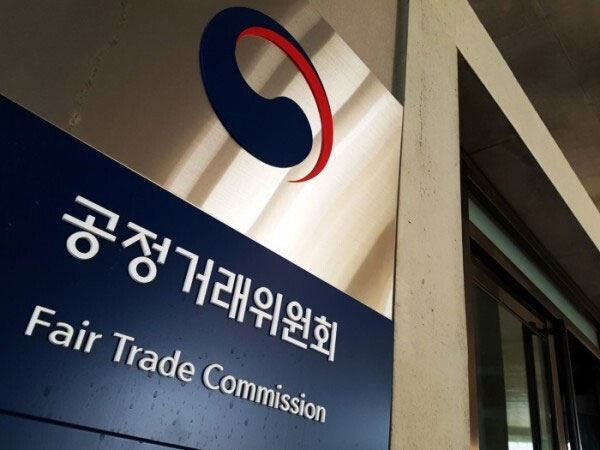
SEOUL — South Korea’s antitrust watchdog, the Fair Trade Commission (FTC), has officially announced a comprehensive overhaul of its administrative fine framework. Under the newly proposed reform, fine amounts will be directly tied to corporate scale, ensuring that large conglomerates face financial penalties proportional to their economic footprint and market influence.
Major Reform of Financial Surcharge System
During an official business briefing to the National Assembly’s Affairs Committee on July 28, 2026, the FTC disclosed its plan to revise the Monopoly Regulation and Fair Trade Act. Under the current enforcement system, administrative fines are calculated primarily based on the sales revenue directly linked to the specific legal violation. These base figures are subsequently adjusted upward or downward depending on factors such as compliance history, cooperation during investigations, or repeat offenses.
However, legal experts and policy analysts have consistently pointed out that this traditional formula fails to reflect total asset size or overall financial capacity. As a result, fines imposed on top-tier business groups (Chaebols) often lack sufficient deterrence, being treated as negligible operational costs relative to their total revenues. To address this issue, the FTC is re-evaluating the entire penalty structure to incorporate company assets and total revenues into the assessment process.
Enhanced Regulations on Controlling Families and Profit Siphoning
Along with scaling base penalties for corporate entities, the FTC is tightening rules against controlling shareholder families. The agency plans to amend relevant enforcement decrees so that financial surcharges levied on illegal intra-group transactions and personal enrichment are strictly aligned with the magnitude of unjust gains.
Simultaneously, the regulator plans to raise the statutory maximum surcharge limits for major market distortions. To maintain regulatory balance, the FTC will also streamline excessive economic criminal penalties, ensuring better alignment between monetary sanctions and criminal prosecution in line with international antitrust standards.
Research Study and Future Outlook
To establish concrete quantitative models, the FTC is currently conducting a policy research study. A commission representative noted that the research results are scheduled for release around August or September 2026, after which specific implementation methodologies will be determined.
[Copyright (c) Global Economic Times. All Rights Reserved.]