![[등록] 2026-09-01 15:48:31](/support/_updata/banner2/tl181982910_6749.png)


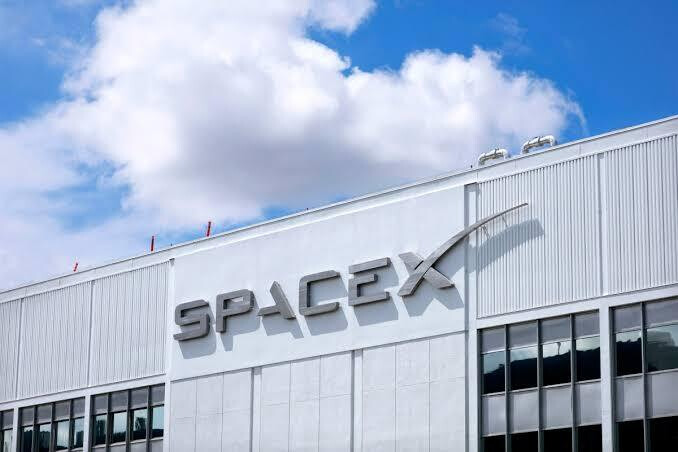
SEOUL — Mirae Asset Securities, which participated as an underwriter in the highly anticipated initial public offering (IPO) of SpaceX, failed to receive any share allocation from the lead manager. This unexpected development has disrupted the strategic plans of major South Korean asset management firms that intended to pre-emptively secure SpaceX shares through Mirae Asset to include them in their prominent Exchange-Traded Funds (ETFs).
According to investment banking and financial industry sources on June 13, SpaceX made a triumphant debut on the Nasdaq on June 12 (local time), closing at $161.11, up 19.34% from its initial public offering price. While Wall Street is hailing the debut as a massive success for one of the largest and most scrutinized IPOs in history, the mood among South Korean financial institutions remains grim.
Underwriting Commitments Versus Actual Allocation
Initially, SpaceX was expected to allocate 2,314,815 shares to Mirae Asset Securities out of the total 555,555,555 shares of Class A common stock offered in the market. However, Goldman Sachs, the lead underwriter of the IPO, reportedly decided not to allocate any tradable shares to Mirae Asset during the final distribution process.
Financial experts analyze that this was a result of a sudden reallocation driven by an absolute surge in demand from top-tier global institutional investors immediately prior to the listing. Under U.S. Securities and Exchange Commission (SEC) guidelines, the underwriting commitment figures indicated in official filings merely represent the theoretical underwriting ratio assigned to the syndicate. They do not guarantee the final allocation of retail-tradable shares, a distinction that ultimately led to the dry spell for South Korean investors.
Following the allocation failure, Mirae Asset Securities fully refunded the subscription deposits early on the morning of June 13 to the domestic retail, corporate professional, and institutional investors who had participated in the subscription process through June 10.
Direct Blow to South Korean Asset Managers
The fallout has directly impacted major domestic asset management firms that designed their marketing and portfolio strategies around the tech giant's IPO. Both Korea Investment Management (KIM) and Mirae Asset Global Investments had intended to acquire portions of SpaceX stock during the IPO stage to bolster their respective tech and aerospace ETFs.
Korea Investment Management had previously made a public declaration regarding its participation in the SpaceX IPO. The firm planned to distribute the allocated shares into its actively managed "ACE U.S. Aerospace Tech Active ETF" and the "Korea Investment Global Space Technology & Defense Fund."
Similarly, Mirae Asset Global Investments intended to leverage the IPO to secure underlying assets for its strategic products, including the "TIGER Global AI Active ETF" and the "TIGER Global AI Power Infrastructure Active ETF."
Because both asset managers channeled their subscriptions exclusively through Mirae Asset Securities, the brokerage’s empty-handed outcome left both firms unable to secure initial public offering shares.
Market Apologies and Alternative Strategies
In response to the disruption, Korea Investment Management issued an official apology notice to its investors, stating, "Even considering the high volatility and unpredictability of the U.S. IPO market, it was a clear oversight on our part to conduct extensive marketing and raise excessive expectations among investors before the final allocation was confirmed. We deeply feel responsible for this outcome."
To mitigate the portfolio gap, KIM disclosed that it has begun integrating SpaceX into its ETF portfolios through secondary market purchases during regular trading hours, albeit at higher post-IPO market prices.
Meanwhile, Mirae Asset Global Investments, which operates passive ETFs, reportedly plans to adjust its portfolio by purchasing SpaceX shares directly from the open market starting two trading days after the listing (T+2), following standard settlement protocols.
[Copyright (c) Global Economic Times. All Rights Reserved.]