![[등록] 2026-09-01 15:48:31](/support/_updata/banner2/tl181982910_6749.png)


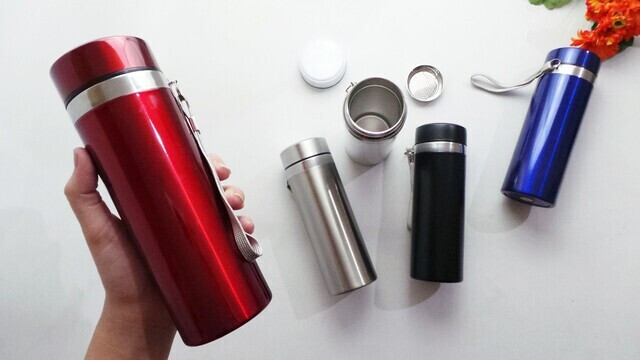
As global campaigns to reduce single-use plastic cups continue to gain massive traction, carrying a reusable thermal tumbler has shifted from a trendy eco-friendly statement to an absolute daily necessity. Millions of consumers throw their stainless steel mugs into their bags every morning, comfortably assuming that these sturdy metallic containers will last a lifetime. However, a growing chorus of environmental health experts and materials scientists are issuing a stark wake-up call: your beloved tumbler is not a permanent fixture. In fact, it is much closer to being a consumable product with a strictly limited shelf life.
According to global lifestyle experts, even if the exterior of a tumbler appears flawlessly pristine without a single dent, its internal components and core functional mechanisms deteriorate quietly over time. While daily washing with dish soap is essential, simple cleaning is not enough to stop the inevitable aging of the product, particularly the hidden parts that directly affect user health and hygiene.
The One-Year Rule: The Hidden Danger of Aging Rubber Gaskets
The most critical yet routinely ignored component of any tumbler is the silicone or rubber gasket sealed inside the lid. Responsible for preventing leaks and maintaining a tight vacuum seal, these small rings have an average recommended lifespan of just one year.
Throughout months of repetitive washing, scrubbing, and exposure to fluctuating temperatures, the rubber gradually loses its natural elasticity. Over time, microscopic cracks and structural warping begin to develop. These tiny, invisible fissures serve as perfect breeding grounds for harmful bacteria and mold spores, which are incredibly difficult to eradicate through normal washing.
Recognizing this common wear-and-tear vulnerability, major global thermal flask manufacturers do not expect consumers to buy an entirely new bottle every year; instead, they actively manufacture and sell separate replacement gaskets. Experts strongly advise that if a gasket has discolored, developed a persistent odor, or been used daily for over twelve months, it must be replaced immediately to ensure food safety.
The Structural Lifespan: Why Stainless Steel Succumbs to Time
It is not just the rubber parts that expire; the entire main body of a stainless steel vacuum-insulated flask has a limited optimal lifespan, generally cited by industry experts as two to three years of daily use.
From a purely scientific perspective, the magic behind a tumbler’s ability to keep coffee piping hot or ice water freezing cold relies on a complex double-walled vacuum insulation structure. As data from the U.S. Department of Energy (DOE) explains, the absolute lack of air within the thin gap between the inner and outer walls eliminates thermal conduction and convection, effectively trapping heat.
However, this vacuum barrier is far more fragile than it looks. The British Trading Standards Institute, a leading consumer safety organization in the United Kingdom, warns that even a single accidental drop onto a hard sidewalk or a sharp impact inside a backpack can cause imperceptible micro-damage to the structural integrity. Once a microscopic breach occurs, air slowly leaks into the insulation layer, permanently destroying the vacuum state and rendering the thermal performance useless.
Three Warning Signs That It's Time to Say Goodbye
How can an ordinary consumer tell if their tumbler has reached the end of its functional life? Experts point to three definitive warning signs:
Failure of Thermal Regulation: If you pour a boiling hot beverage into your tumbler and the exterior surface of the mug immediately feels warm or hot to the touch, the vacuum seal has completely failed. The same applies if ice cubes melt within a couple of hours.
Deep Scratches and Rust Spots: The U.S. Food and Drug Administration (FDA) has repeatedly noted that deep scratches or pitting on the interior metal surface of food-contact containers act as structural anchors for bacterial colonies. When the protective chromium oxide layer of stainless steel is deeply gouged, it becomes nearly impossible to clean thoroughly, significantly elevating the risk of contamination.
Lid and Component Warping: If a tumbler continues to leak fluid even after you have successfully replaced the rubber gasket, the plastic threading of the lid itself has likely warped or degraded due to physical stress or heat exposure.
Bad Habits Killing Your Reusable Mug
Compounding the problem of natural wear-and-tear are the common, well-intentioned maintenance habits that unintentionally sabotage a tumbler's lifespan.
Using harsh steel wool or abrasive scrubbing pads to remove stubborn tea or coffee stains is one of the quickest ways to ruin the interior. These aggressive tools strip away the smooth, electropolished protective layer of the stainless steel, leaving the raw metal highly vulnerable to rusting.
Furthermore, unless a manufacturer explicitly certifies a product as 100% dishwasher safe, exposing a tumbler to the intense heat and aggressive chemicals of a standard dishwasher cycle can severely warp the plastic lid and dry out the silicone parts.
Dietary choices also dictate product longevity. The European Food Safety Authority (EFSA) warns that high-sodium liquids—such as savory soups, stews, or salted broths—can drastically accelerate the chemical corrosion of standard food-grade stainless steel. This chemical vulnerability explains why specialized manufacturers create distinct, heavily coated thermal food jars specifically designed for hot soups, which should never be mixed up with ordinary beverage tumblers.
Embracing a Smarter Eco-Friendly Routine
Ultimately, the environmental benefit of a reusable tumbler is only realized if the product functions safely and effectively. Treating a tumbler as a completely permanent, indestructible item can backfire, resulting in subtle health hazards or disappointing performance.
As the scorching summer heat approaches—a season when people routinely leave sugary juices, iced coffees, and milk-based beverages sitting inside their travel mugs for long stretches of time—now is the perfect moment to inspect your gear. Check the rubber seals for black spots, feel the outer wall for heat leakage, and remember that replacing a simple, affordable component can extend your product's life while keeping your daily hydration completely safe.
[Copyright (c) Global Economic Times. All Rights Reserved.]