Paraguay's health authorities have issued a nationwide state of alert after receiving more than 785 scorpion-related incidents since the beginning of this year. The National Directorate of Surveillance and Control of Vector-Borne Diseases (PNCZ y CAN) and regional health institutions stated that the activity range of scorpions has expanded rapidly due to continued hot and humid weather. The General Directorate of Health Surveillance urged residents to exercise extreme caution during outdoor activities and within residential areas, calling for compliance with preventive rules.
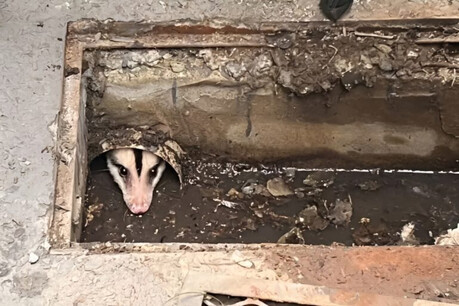
Scorpions are most active in environments with high temperatures and humidity. In particular, they have a strong habit of leaving their shelters to search for food during the evening after sunset or in the afternoon hours. Because cockroaches are their primary food source, they frequently infiltrate residential surroundings or building interiors where cockroaches dwell. Preferring dark and humid spaces, they hide in wall and floor crevices, drains, tiles, bricks, and under piles of firewood. Having perfectly adapted to urban environments, they possess exceptional climbing abilities that allow them to scale walls, ceilings, and even fabric materials, leaving no room for complacency indoors.
When stung by a scorpion, severe pain along with various symptoms appears in different parts of the body. The stung area may not be noticeable or may be taken lightly, but once the venom spreads through the body, it can induce fatal complications in the nervous and cardiovascular systems. In particular, infants and young children with weak immunity, pregnant women, and the elderly with underlying conditions are at a very high risk of worsening into critical conditions. Pediatric patients with lower body weight can suffer severe damage to vital organs even from a small amount of venom, making close and continuous observation essential.
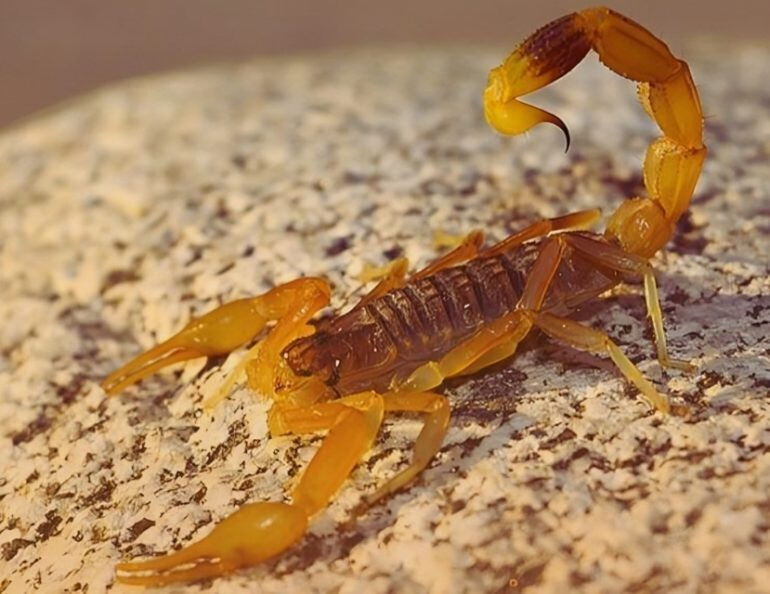
The most dangerous species of scorpion found throughout Paraguay belongs to the genus Tityus, commonly referred to locally as the "golden scorpion." This species has a unique appearance featuring long, slender pincers and a double-stinger structure. The venom of Tityus scorpions is powerful enough to threaten life, demanding exceptional vigilance.
If stung by a scorpion, immediate emergency treatment must be sought, and while moving to the hospital, using an ice pack or cold compress to alleviate pain is a helpful tactic. Folk remedies such as cutting the wound with a knife, sucking out the venom with the mouth, or searing the wound with fire must be strictly avoided as they spread the venom and induce secondary infections. Medical institutions in Paraguay currently have sufficient stockpiles of antivenom agents capable of neutralizing severe scorpion toxin, making a prompt hospital visit the decisive key to saving a life.
For daily prevention, thorough environmental cleanup of the surroundings must be prioritized. A habit must be formed to thoroughly shake out clothing, shoes, and bedding before use, and reaching blindly into drawers or shelves with bare hands is strictly prohibited. Fine mesh screens must be installed on drains, and pipe gaps or wall cracks must be meticulously sealed to completely block scorpions from entering indoors. Thorough management of surrounding waste reduces the population of insects that serve as scorpion food, and clearing fallen leaves or debris must always be done while wearing gloves to prevent accidents.
[Copyright (c) Global Economic Times. All Rights Reserved.]