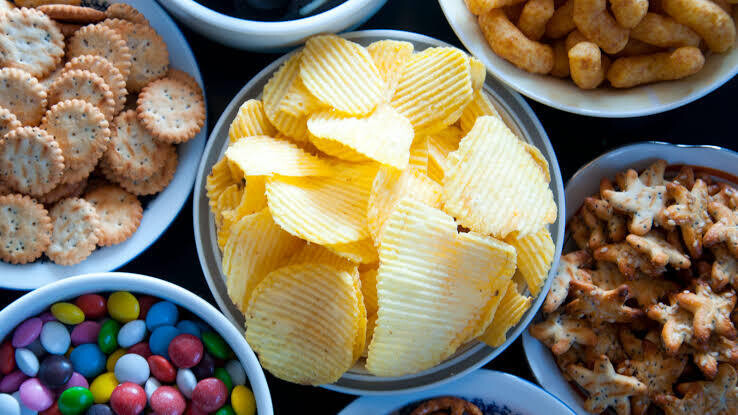
While smoking is universally recognized as a major health hazard that wreaks havoc on the lungs and other organs, medical experts warn that an even greater threat may be lurking right in our pantries. Everyday convenience items—such as chips, instant noodles, breakfast cereals, and ready-to-eat meals—fall into the category of ultra-processed foods (UPFs), which are now facing intense scrutiny.
In an interview with the British media outlet Daily Struggles, Dr. Chris van Tulleken, an infectious disease specialist and associate professor at University College London, pointed out that diets heavy in ultra-processed foods are major global contributors to preventable illnesses and premature mortality.
Ultra-processed foods are manufactured using various additives—such as emulsifiers, artificial flavors, and colorings—that are rarely used in home cooking. However, not all processed foods fall into this category, and even among UPFs, their nutritional profiles and health impacts vary. Dr. van Tulleken noted that ultra-processed foods are emerging as a leading driver of premature death, even though a direct, scientifically definitive equivalence between UPF consumption and smoking has not yet been established.
Accumulating research underscores the dangers. Diets high in ultra-processed foods have been linked to an increased risk of obesity, type 2 diabetes, cardiovascular diseases, and certain cancers. A 2024 literature review published in The BMJ (British Medical Journal) further analyzed how higher consumption of UPFs correlates with a wide range of adverse health outcomes.
Furthermore, these foods can accelerate aging. Many ultra-processed items contain high levels of advanced glycation end-products (AGEs), which are formed when proteins or fats combine with sugars. When accumulated in the body, AGEs trigger oxidative stress, promote inflammation, and cause cellular damage.
Reducing ultra-processed foods in your diet does not require an overwhelming overhaul overnight. Small, sustainable habits can make a significant difference. Swapping out snacks like chips or sugary cereals for nuts, unsweetened yogurt, or fresh fruit is a great place to start. When shopping, always check nutrition labels to choose products lower in added sugars, sodium, and saturated fats.
[Copyright (c) Global Economic Times. All Rights Reserved.]