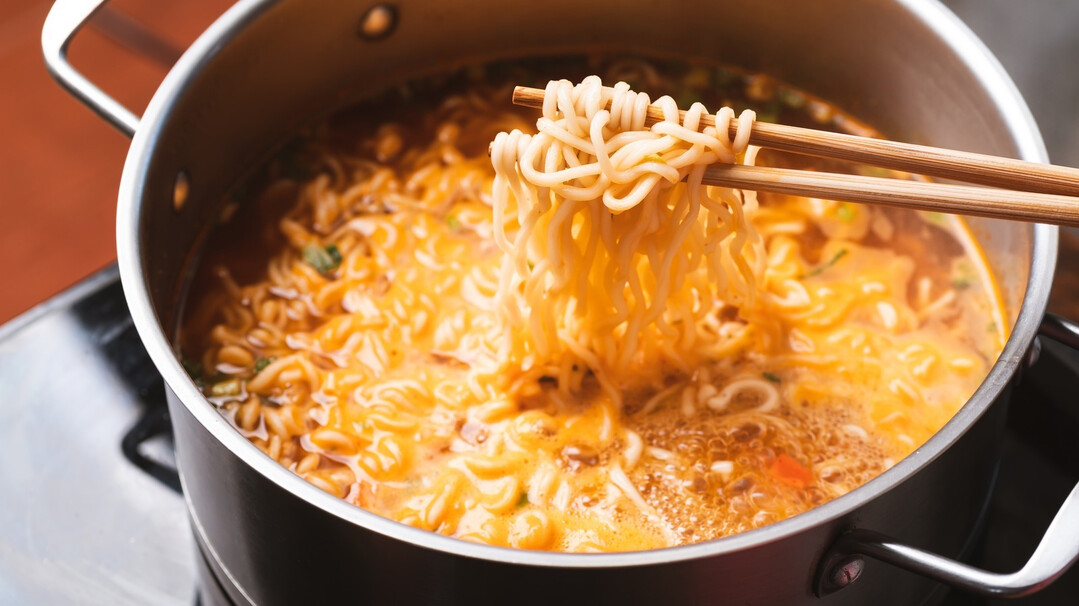
As a quintessential comfort food, ramen is a massive staple in South Korea, with approximately 4 billion packages consumed every year. That averages out to every citizen eating ramen once every four to five days.
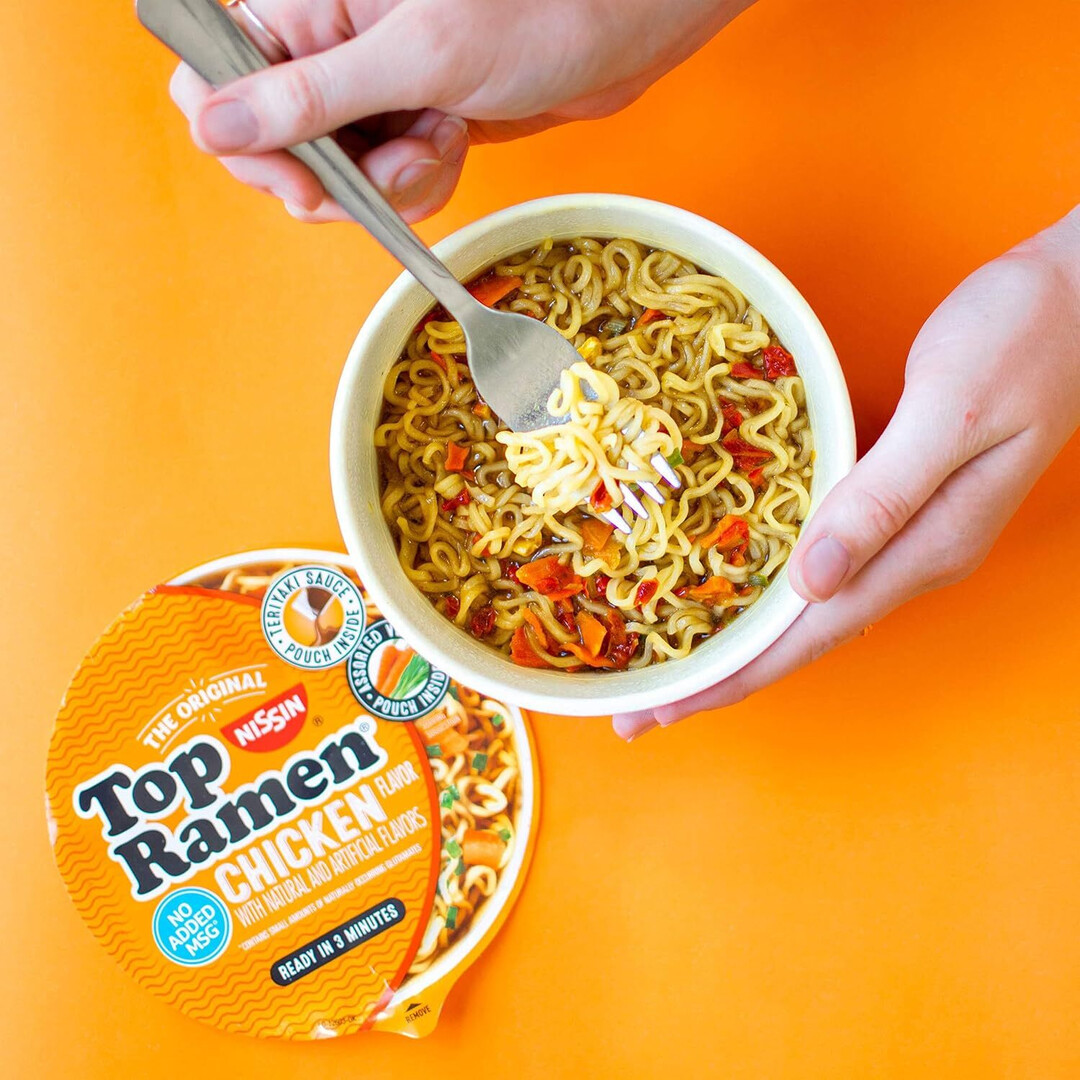
Among the various types, cup noodles—which only require pouring in hot water—offer the ultimate convenience, sparing people the trouble of boiling water and cooking from scratch. However, a surprising and concerning issue has recently come to light behind this convenience.
Research shows that simply pouring hot water into a cup noodle container and waiting creates hundreds of microplastics. The culprit lies in the container itself, particularly the inner plastic coating designed to prevent leaks. This has led experts to suggest that choosing bagged ramen cooked in a pot is a safer alternative when possible.
Hundreds of Microplastic Particles Found in Recent International Study
According to the climate and environmental academic community on the 6th, researchers at China Agricultural University recently published a study in the international journal Journal of Food Composition and Analysis regarding the release of microplastics from instant noodle cups.
The research team analyzed 20 samples across 10 cup noodle brands from four countries: South Korea, China, Japan, and Thailand (two samples per brand).
The experimental method was straightforward: researchers poured 500 ml of hot water at 95°C into the cup noodles, covered them with aluminum foil, and let them sit for 15 minutes. After removing the foil, they left the cups undisturbed for an additional 20 minutes before analyzing the water for micro-particles.
The results showed that microplastics and other particles were detected in all 20 samples used in the experiment. According to the abstract, an average of 318 micro-particles were found in a single cup of ramen—meaning hundreds of invisible, microscopic particles were released just by adding hot water.
The detected substances varied widely, including polyethylene (PE), polyethylene-polypropylene (PE-PP) composites, and polyester. The researchers pointed to the thin plastic lining coated on the inside of cup noodle containers—used to prevent water absorption—as the primary source of these particles.
Domestic Findings and the Container Dilemma
This issue is not entirely new. In April of last year, experimental results revealing microplastics in cup noodle containers were also made public in South Korea.
According to an analysis by the KOTITI Testing & Research Institute released by the office of People Power Party lawmaker Lim I-ja-a, pouring 100°C water into a domestic styrofoam cup noodle container and leaving it for 30 minutes yielded a total of 17 microplastics.
Cup noodle containers in South Korea are broadly divided into styrofoam and paper types. In the past, styrofoam-based polystyrene containers were widely used due to their excellent insulation and low cost. However, growing concerns over the environmental impact and safety of disposable plastics prompted a transition to paper containers for some products.
Nevertheless, styrofoam containers have not entirely disappeared, and polystyrene is still used in domestic cup noodles. More importantly, paper containers are not completely free from plastic either, as they rely on internal plastic coatings. The label "paper container" does not mean plastic is entirely absent.
Health Concerns and High Consumption Rates in South Korea
How harmful is it to ingest microplastics from cup noodles? No definitive conclusion has been reached yet, as further research is needed to determine what amounts and long-term exposure levels genuinely impact human health.
However, continuous concerns persist regarding the potential adverse effects of microplastics on the human body. Animal experiments have shown that exposure to microplastics can alter sex hormone levels and negatively affect reproductive functions. Some studies have also observed increased inflammatory responses and oxidative stress in the body.
The issue is especially pertinent given South Korea's exceptionally high instant ramen consumption. According to the World Instant Noodles Association (WINA), South Korea's ramen consumption last year reached approximately 4.061 billion servings, ranking 9th in the world.
Divided by population, each citizen consumes about 79 packages of ramen per year—roughly once every four to five days—placing South Korea second in per capita consumption globally, right behind Vietnam. Because the potential side effects of microplastic exposure cannot be ignored, the government has stepped in to investigate the situation.
Government Response and Preventive Measures
Under the "6th Food Safety Management Master Plan" established late last year, the government plans to conduct 300 evaluations on food utensils, containers, and packaging materials regarding microplastic safety this year. Furthermore, assessments on human exposure to microplastics through food are scheduled to begin in 2029.
In the meantime, consumers can minimize unnecessary exposure by choosing separate cooking utensils like pots instead of disposable containers. Experts emphasize minimizing the use of single-use containers through alternative methods.
The researchers behind the study similarly stressed, "Disposable cup noodle containers are a major source of microplastic emissions. To reduce the intake of microplastics into the body, it is important to cut back on cup noodle consumption or avoid drinking the soup broth."
[Copyright (c) Global Economic Times. All Rights Reserved.]