![[등록] 2026-09-01 15:48:31](/support/_updata/banner2/tl181982910_6749.png)


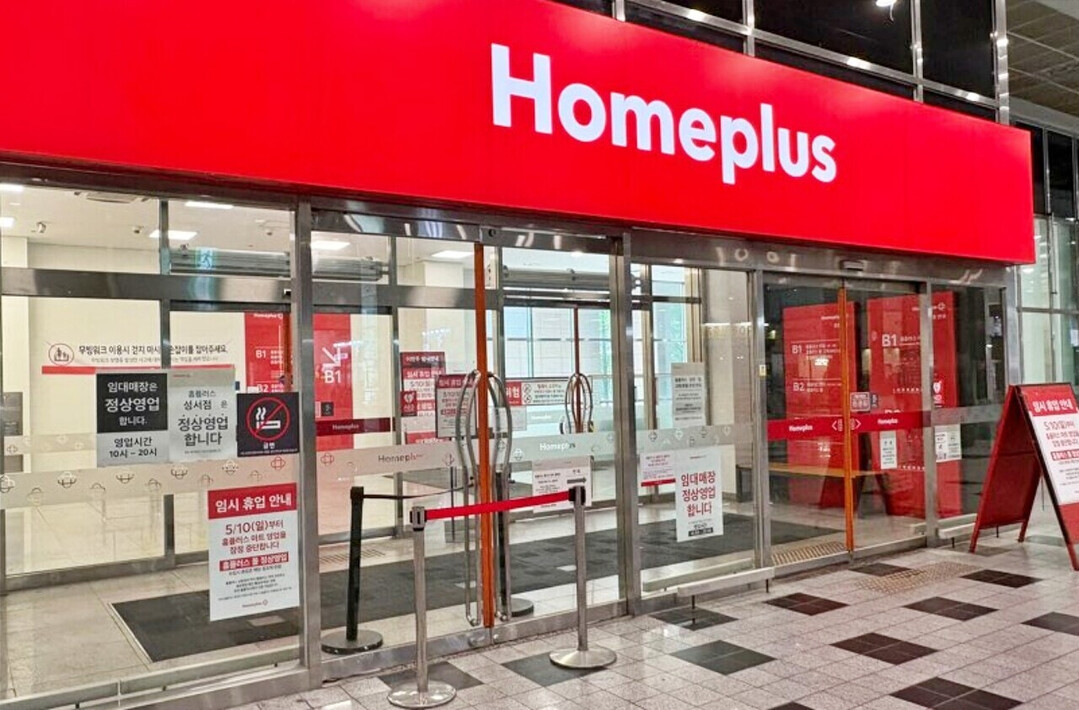
The voluntary resignation process for Homeplus, which is currently undergoing corporate rehabilitation procedures, was closed early just eight days after applications began. The surge in applicants occurred despite the condition that no separate severance or retirement consolation money would be paid. Analysts suggest that employees are choosing to leave as employment insecurity intensifies amid grim prospects for business normalization and mergers and acquisitions (M&A).
On the 15th, Homeplus announced, "We were proceeding with applications within the originally announced period, but due to a large number of employees applying, we decided to close the voluntary resignation applications early."
The company had planned to accept voluntary resignation applications from the 7th until the 22nd, but with applicants exceeding expectations, applications were wrapped up on the 14th—eight days ahead of the original schedule.
The labor union estimates that the number of voluntary resignation applicants reaches between 400 and 500. However, the exact scale remains unconfirmed as the company has not disclosed the official number of applicants.
This voluntary resignation was conducted under the condition that unpaid wages, Chuseok bonuses, and severance pay would be provided, but without any separate retirement consolation money. The scheduled departure date is the 31st of this month. Homeplus plans to issue a lump-sum payment of unpaid wages, Chuseok bonuses, and severance pay to the departing employees on November 14th.
The prolonged business difficulties and employment insecurity are cited as the main reasons why applicants rushed in despite the lack of extra consolation money. As corporate rehabilitation procedures proceeded and stores closed one after another, employees' job uncertainty grew.
Before the commencement of the rehabilitation procedure, Homeplus operated 126 stores nationwide, but as low-profitability stores were liquidated, the number of operating stores dropped to 67. Roughly half of all stores have disappeared.
The store downsizing has also increased the burden on human resource management. It is reported that approximately 50% of all employees are in a state of paid leave. While the scale of sales is shrinking, the burden of fixed costs such as rent and labor costs persists, making the improvement of the cost structure an urgent priority.
Voluntary resignation gained rapid momentum recently. On the 15th of last month, Homeplus held a closed-door meeting with the labor union for the first time since the approval of the rehabilitation plan to discuss human resource management strategies for business normalization. At the time, voluntary resignation was mentioned as one of the normalization measures, but the company explained that "there is no practical implementation plan in place."
However, voluntary resignation was officially implemented about three weeks later, and with applicants flooding in, even the application period was shortened. Analysts point out that as uncertainties surrounding business normalization persist, employee exodus is becoming a reality.
[Copyright (c) Global Economic Times. All Rights Reserved.]