![[등록] 2026-09-01 15:48:31](/support/_updata/banner2/tl181982910_6749.png)


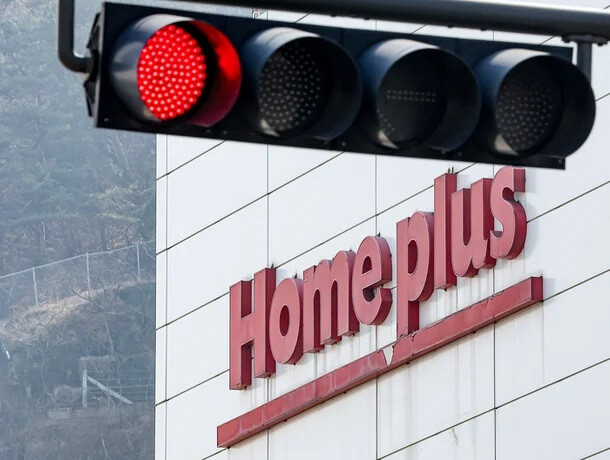
SEOUL, South Korea – The Seoul Bankruptcy Court has granted permission for Homeplus, a major South Korean retailer currently undergoing rehabilitation proceedings, to secure KRW 60 billion (approximately $60 million USD) in Debtor-in-Possession (DIP) financing. This crucial decision is expected to alleviate the company's urgent liquidity constraints, enabling the continuation of normal business operations and providing a vital lifeline during its restructuring process.
The Fourth Division of the Seoul Bankruptcy Court, presided over by Chief Judge Chung Jun-young, announced on Tuesday the approval of Homeplus's application to borrow the funds from Curious Plus Co., Ltd. The terms of the financing include an annual interest rate of 10% and a maturity period of three years. DIP financing is a mechanism that allows companies undergoing bankruptcy proceedings to obtain external funding with the court's authorization while maintaining their existing management structure. Its primary objective is to support the company's ongoing operations through the repayment of priority claims (gongik chaekwon), thereby facilitating the rehabilitation process.
Homeplus had filed for this DIP financing to address imminent payments related to trade payables, including outstanding balances for goods received and revenue settlements. The retailer initiated rehabilitation proceedings with the Seoul Bankruptcy Court on April 4th and simultaneously received comprehensive permission to continue its business operations. However, the company reportedly faced significant challenges in securing necessary working capital. A court official stated, "A shortage of funds was anticipated by late April and mid-May. The court issued the DIP financing approval to ensure the continuation of normal business activities."
This particular DIP financing has been structured to avoid negatively impacting the repayment rates for general unsecured creditors (hoisaeng chaekwon). The funds raised will be specifically allocated to cover priority claims with impending due dates, such as payments for goods and revenue settlements. Essentially, the DIP financing is being treated as a priority claim to facilitate the payment of other priority trade payables, thereby sustaining essential business operations during the rehabilitation process.
Concerns had been raised in some quarters that the introduction of DIP financing could increase the proportion of priority claims, potentially diluting the recovery for general unsecured creditors. However, the bankruptcy court explicitly addressed these concerns. "The funds raised through this DIP financing will not replace existing rehabilitation claims with priority claims, nor will they affect the company's ability to repay rehabilitation creditors," the court clarified in its statement.
Homeplus, a prominent player in South Korea's hypermarket and supermarket sector, has been grappling with increasing competition from online retailers and warehouse-style discount stores, contributing to its financial difficulties. The approval of this DIP financing offers a critical bridge for the company as it navigates the complex process of restructuring its finances and operations under court supervision. This injection of capital is seen as essential for maintaining stakeholder confidence, preserving jobs, and ultimately maximizing the potential for a successful rehabilitation of the business. The court's decision underscores the importance of providing viable pathways for distressed companies to reorganize and continue contributing to the economy. The coming months will be crucial in monitoring Homeplus's progress under the rehabilitation plan and the effectiveness of this financial lifeline.
[Copyright (c) Global Economic Times. All Rights Reserved.]