![[등록] 2026-09-01 15:48:31](/support/_updata/banner2/tl181982910_6749.png)


(C) The Peninsula Qatar
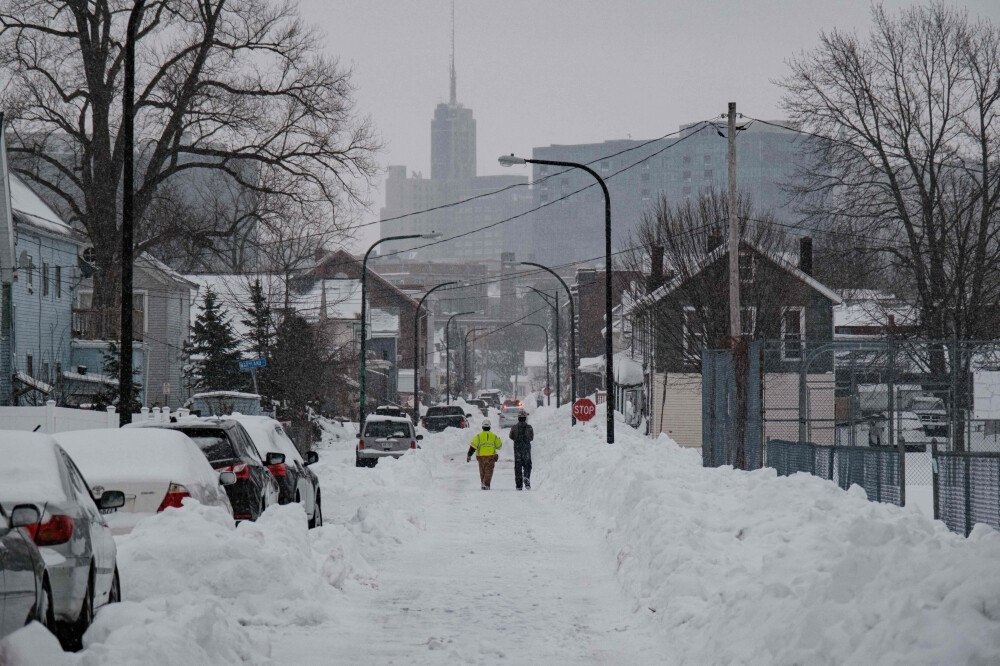
WASHINGTON D.C. – A "once-in-a-generation" winter storm has brought much of North America to a freezing standstill, triggering state-of-emergency declarations across 22 U.S. states and the nation’s capital. As of Monday, the extreme weather system has claimed at least nine lives, decimated power grids, and caused a collapse in transcontinental logistics stretching from the Canadian border down to Central Mexico.
A Continental Crisis
The sheer scale of the storm is staggering. According to the National Weather Service (NWS) and the Federal Emergency Management Agency (FEMA), over 230 million people—nearly 70% of the U.S. population—are currently under some form of winter weather warning or advisory.
In the Northeast corridor, cities including New York and Boston are bracing for snowfall totals ranging between 30 to 60 centimeters (12 to 24 inches). The blizzard conditions have transformed iconic landmarks; in Manhattan, the surreal sight of residents skiing through a deserted Times Square became a viral symbol of the city's paralysis.
Infrastructure and Human Toll
The human and economic costs are mounting rapidly:
Casualties: At least nine fatalities have been confirmed nationwide, including five in New York State alone, mostly attributed to traffic accidents on icy roads and exposure to extreme cold.
Power Outages: More than 1 million households across Louisiana, Mississippi, Texas, and Tennessee lost power on Sunday as freezing rain weighed down lines and high winds toppled pylons.
Aviation Chaos: On Sunday, over 10,000 flights were canceled—representing nearly a quarter of all daily U.S. air traffic. Combined with Saturday’s disruptions, the total number of cancellations exceeded 14,000, a level of instability not seen since the height of the COVID-19 pandemic.
The federal government has announced that all non-essential federal offices in Washington D.C. will remain closed on Monday, January 26, as the capital prepares for "life-threatening" wind chills.
Mexico Faces a Logistics Meltdown
The storm’s reach has extended far south of the U.S. border, plunging Mexico into an uncharacteristic deep freeze. Regions accustomed to mild January temperatures in the single digits (Celsius) are now grappling with sub-zero conditions. In the northern highlands, temperatures have plummeted to -10°C (14°F).
The Mexico National Civil Protection Agency (CNPC) warned that the combination of heavy rain and flash freezing has turned major highways into skating rinks. This has sparked a looming "logistics crisis" in the northern industrial heartlands. Because Mexico’s manufacturing sector is tightly integrated with U.S. supply chains, the delay in truck movements and the slowdown of industrial facilities are expected to cause significant ripples in North American trade.
The Forecast: Bitter Cold Remains
Meteorologists warn that the worst may not be over. Even as the snowfall tapers off in some regions, a "polar vortex" effect is expected to keep temperatures well below freezing for the remainder of the week.
"This is not just a snow event; it is a thermal emergency," a FEMA spokesperson stated. "The primary concern now shifts from snow removal to survival, as wind chills reach levels that can cause frostbite in minutes."
As North America shivers through this historic blast, the focus remains on restoring power and clearing vital transit arteries to prevent further loss of life.
[Copyright (c) Global Economic Times. All Rights Reserved.]