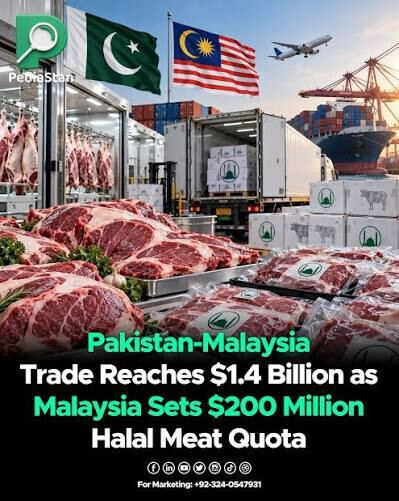
New Zealand’s red meat exports to the United Arab Emirates (UAE) have ground to a halt following the abrupt withdrawal of accreditation for the country's primary halal certifier.
For the past month, the New Zealand Islamic Development Trust (NZIDT) has been unauthorized to issue halal certifications for the UAE market. The disruption began last month when the UAE government opted not to renew the trust’s registration as an approved Halal Certification Body (HCB).
The suspension took effect on September 24, affecting shipments to the UAE—New Zealand's second-largest Persian Gulf market for meat, valued at $60 million last year.
"The Ministry for Primary Industries managed to get an exemption for anything that was certified and on the water as of that date, but anything beyond that date—inventory that we held or product that was made after that date—has not been able to be shipped," said one major meat exporter, noting that the UAE government provided no official justification for the decision.
Industry-Wide Impact and Limited Alternatives
The crisis has impacted the vast majority of New Zealand's export sector, as nearly all processing plants rely on NZIDT for certification.
While the Ministry for Primary Industries (MPI) notes that two other HCBs remain accredited by the UAE government, neither currently possesses the operational capacity to absorb the industry.
"One certifies just the one red meat plant and the other is new to New Zealand," another exporter explained, leaving meat companies in administrative limbo while industry groups scramble for a solution.
Negotiations Underway Amid Cost Concerns
To resume trade before the peak production season swings into full gear, the Meat Industry Association (MIA) is fast-tracking negotiations with alternative certifiers on behalf of exporter members.
However, industry insiders warn that transitioning to new providers will come at a financial cost. Exporters are bracing for steeper certification fees, admitting they possess little bargaining power.
"They are going to be more expensive than the old provider, but we have no leverage, as every day that goes by is another day with no trade," one frustrated exporter remarked.
A Narrow Escape in Indonesia
The setback in the Middle East comes on the heels of a narrowly averted trade hurdle in Indonesia.
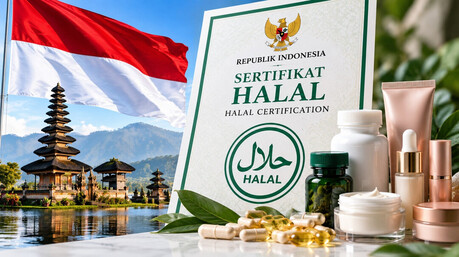
Last week, Indonesian authorities withdrew a last-minute plan requiring pre-shipment inspections of halal certificates. The policy change had prompted strong pushback from New Zealand dairy exporters, who collaborated with counterparts from the United States, Europe, and Australia to protest the mandate over concerns it would inflate consumer costs and create unnecessary trade friction.
Following international pushback, the Indonesian government canceled the pre-shipment inspections and deferred a planned expansion of mandatory halal certification by two years to allow for further consultation with trade partners.
[Copyright (c) Global Economic Times. All Rights Reserved.]