![[등록] 2026-09-01 15:48:31](/support/_updata/banner2/tl181982910_6749.png)


(C) Daily Pioneer
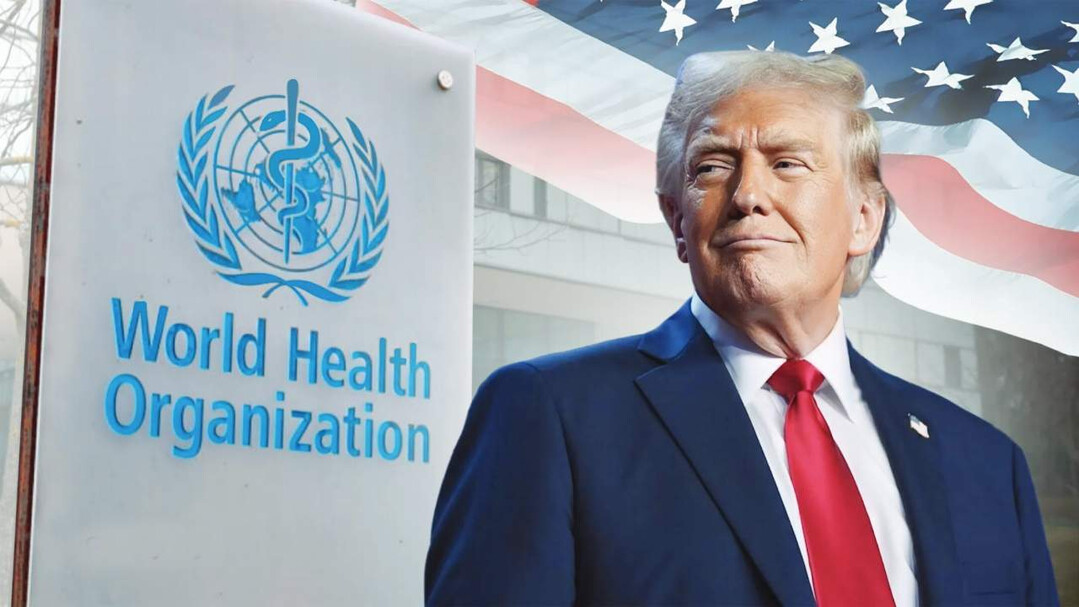
WASHINGTON D.C. — In a historic shift for global health diplomacy, the United States officially completed its withdrawal from the World Health Organization (WHO) on Thursday. The move, announced jointly by the Department of Health and Human Services (HHS) and the State Department, marks the culmination of a year-long exit process initiated by the Trump administration immediately upon taking office in January 2025.
The departure ends a relationship that dates back to the WHO’s founding in 1948, leaving the world’s largest economy and formerly its largest donor outside the agency’s governing framework.
A Fracture Rooted in the Pandemic
The formal exit is predicated on what U.S. officials describe as a "catastrophic mishandling" of the COVID-19 pandemic. In a joint statement, HHS Secretary Robert F. Kennedy Jr. and Secretary of State Marco Rubio outlined a pattern of systemic failures that they argue rendered the organization ineffective and compromised.
"The WHO failed its most basic mandate: to provide the world with accurate, timely, and independent health guidance," the statement read. "Instead of prioritizing global safety, the organization's leadership echoed the talking points of the Chinese government, even as evidence of human-to-human transmission and asymptomatic spread became undeniable."
The U.S. government highlighted several specific grievances regarding the 2020 outbreak:
Delayed Alerts: The WHO’s hesitation to declare a Public Health Emergency of International Concern (PHEIC) and its subsequent delay in labeling COVID-19 a pandemic.
Lack of Transparency: Praising China’s response despite reports of information suppression and the silencing of whistleblowers in Wuhan.
Scientific Disagreements: The organization's initial dismissal of airborne transmission risks and its controversial report on the origins of the virus, which U.S. officials claim prematurely dismissed the "lab leak" theory despite a lack of full access to Chinese data.
The Path to Withdrawal
The process began on January 20, 2025, when President Trump signed an executive order to begin the withdrawal. Over the past twelve months, the U.S. has systematically dismantled its involvement:
Funding Cessation: All financial contributions, which previously accounted for roughly 15% of the WHO’s budget, were halted.
Personnel Recall: U.S. health experts and diplomats stationed at WHO headquarters in Geneva and regional offices were brought home.
Bilateral Pivoting: Global health programs, including those targeting malaria, HIV/AIDS, and tuberculosis, have been transitioned from WHO-managed channels to direct bilateral agreements between the U.S. and partner nations.
A New Era of "America First" Global Health
Secretary Marco Rubio emphasized that the withdrawal does not signal a U.S. retreat from international health, but rather a change in methodology. "The United States remains the world’s leading force in public health. However, we will no longer funnel American taxpayer dollars through a broken, politicized bureaucracy," Rubio stated.
The new strategy focuses on biosecurity coordination and health innovation, working directly with private sector partners, non-governmental organizations (NGOs), and faith-based entities. This "America First" approach seeks to build a network of "trusted partners" to replace the centralized authority of the WHO.
Global Reaction and Uncertainty
The move has sent shockwaves through the international community. Critics argue that the U.S. exit will create a power vacuum, potentially allowing other nations to exert even greater influence over the agency. Health advocates also worry about the fate of global eradication programs that relied heavily on U.S. funding and technical expertise.
In Geneva, the WHO has expressed regret over the decision, maintaining that it remains committed to serving all nations and has implemented various internal reforms since 2020. However, Washington remains unconvinced, citing a failure to address the core issue of "political influence from member states."
As of today, U.S. coordination with the WHO will be restricted to the minimum legal requirements necessary to finalize the administrative details of the departure.
[Copyright (c) Global Economic Times. All Rights Reserved.]