![[등록] 2026-09-01 15:48:31](/support/_updata/banner2/tl181982910_6749.png)


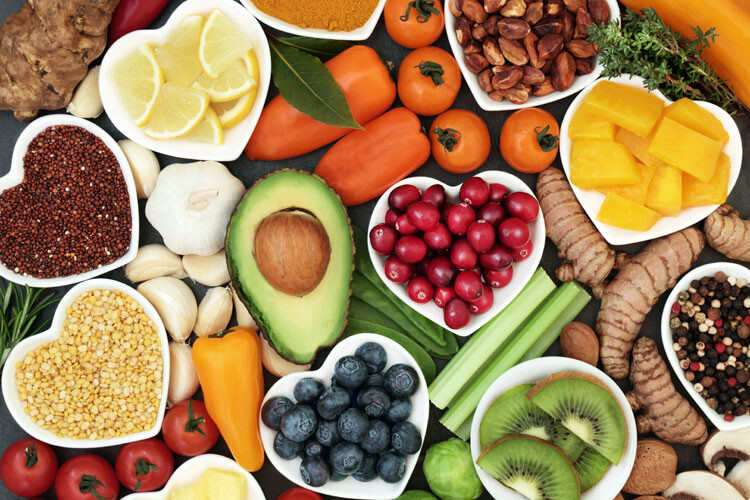
A study has revealed that a diet centered on vegetables, fruits, whole grains, nuts, and fish can lower the risk of developing dementia by up to 28%. This finding once again emphasizes the importance of dietary management in preventing dementia, for which effective treatments are currently unavailable.
A research team led by Professor Lee Jee-won of Family Medicine at Severance Hospital and Professor Kwon Yu-jin of Family Medicine at Yongin Severance Hospital tracked data from 131,209 individuals registered in the UK Biobank for over 13 years, analyzing the impact of various dietary patterns on dementia incidence. This study was published in the international journal 'Journal of Nutrition, Health and Aging'.
The Core of Dementia Prevention: Common Denominators of 'Healthy Diets'
The research team compared and analyzed four types of well-known healthy diets: the ▲Mediterranean Diet Adherence Score (MEDAS) ▲MIND Diet ▲Recommended Food Score (RFS) Diet, and ▲Alternate Healthy Eating Index (AHEI) Diet. The commonality among these diets is their focus on vegetables, fruits, whole grains, nuts, and fish, consuming healthy fats, and being rich in nutrients with anti-inflammatory and antioxidant effects.
Vegetables and Fruits: Rich in vitamins, minerals, fiber, and antioxidants like flavonoids, they reduce brain cell damage and protect cognitive function. Dark leafy greens (spinach, kale, etc.) and berries (blueberries, strawberries, etc.) are particularly known to be beneficial for brain health.
Whole Grains: Unrefined grains, rich in complex carbohydrates and fiber, help maintain stable blood sugar levels and provide a sustained energy supply to the brain. Representative examples include brown rice, oats, and quinoa.
Nuts: Abundant in unsaturated fatty acids, vitamin E, and antioxidants, nuts contribute to improved brain health. Walnuts, almonds, and Brazil nuts are good choices. Walnuts, in particular, are rich in omega-3 fatty acids, which help improve brain function.
Fish: Omega-3 fatty acids (DHA, EPA), especially abundant in fatty fish like mackerel, salmon, and tuna, are essential components of brain cell membranes and crucial for maintaining brain function and enhancing cognitive ability.
Practicing a Healthy Diet: 28% Reduction in Dementia Risk
The study results showed that groups who most faithfully adhered to the four healthy diets had a significantly lower risk of dementia incidence compared to those who did not. The dementia risk reduction rates for each diet were as follows:
Recommended Food Score (RFS) Diet: 28% reduction
MIND Diet: 27% reduction
Alternate Healthy Eating Index (AHEI) Diet: 23% reduction
Mediterranean Diet Adherence Score (MEDAS): 21% reduction
Conversely, groups who faithfully consumed the Inflammatory Diet Index (EDII) diet, which consists of saturated fats and refined carbohydrates and carries a high risk of inflammation, showed a 30% increased risk of dementia compared to those who did not follow this diet. This trend was also observed consistently in mild cognitive impairment, a pre-dementia stage.
Importance of Brain Health Management Through Dietary Improvement
This study holds significant meaning in confirming the close link between diet and cognitive health through a large-scale population-based cohort analysis. It suggests that high-quality nutritional diets, such as the Mediterranean diet, can play an important role in preventing dementia and mild cognitive impairment, for which effective treatments are not yet available. Practicing a healthy diet can be an effective way to protect brain health and lower the risk of dementia.
[Copyright (c) Global Economic Times. All Rights Reserved.]