


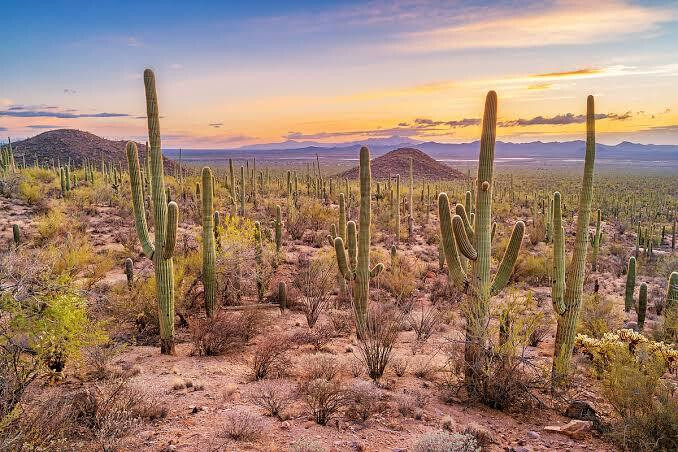
Cacti are widely recognized as the ultimate survivors of scorching temperatures and barren deserts. However, a recent international study warns that even these resilient plants are struggling to withstand the escalating climate crisis.
Published in the journal Nature by researchers primarily from the University of South Florida, the study analyzed the future vulnerability of 993 cactus species. By examining roughly 650,000 geographic data points, the team modeled how these plants would cope with intensifying, prolonged droughts driven by global warming.
The findings project that under severe drought conditions by the end of the century, roughly one-quarter to one-third (25% to 35%) of the evaluated cactus species could lose more than 80% of their current habitats. According to the International Union for Conservation of Nature (IUCN), losing such a vast portion of suitable habitat qualifies a species for "Critically Endangered" status on the Red List. If these projections hold true, the number of critically endangered cacti could more than double. Without extreme drought scenarios, that proportion drops significantly to between 1% and 15%.
Hotspots of cactus biodiversity—including regions in Chile, Peru, and northeastern Brazil—are expected to suffer the heaviest losses. "Future droughts are projected to be longer and more severe, potentially pushing cacti past their limits of drought adaptation," explained Michiel Pillet, lead author of the study from the University of South Florida.
This looming threat comes on top of existing pressures. The IUCN reports that over 30% of cactus species are already endangered due to habitat loss and illegal harvesting. Because cacti play a foundational role in desert ecosystems—providing hydration, food, and shelter for local wildlife, as well as serving as key resources for pollinators—their decline could trigger a ripple effect across entire ecosystems.
Conservation experts stress that immediate intervention is critical. Barbara Goettsch, co-chair of the IUCN Cactus and Succulent Plant Specialist Group, urged that delaying action to address climate change impacts on these iconic plants is no longer an option.
[Copyright (c) Global Economic Times. All Rights Reserved.]